



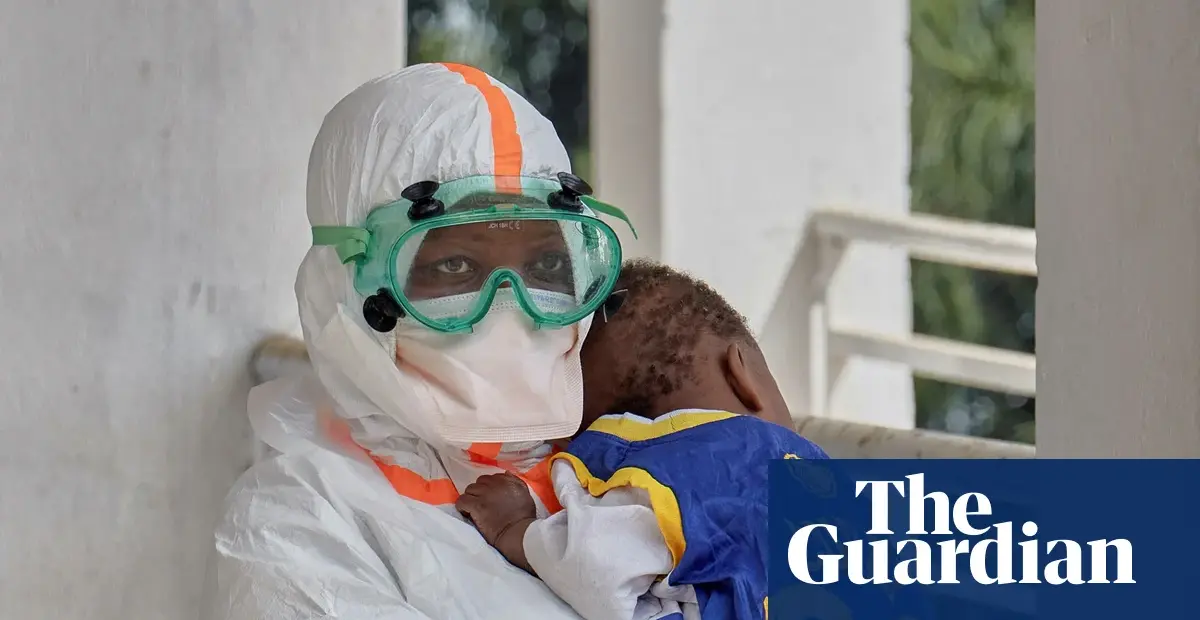
Ebola outbreak in DRC reaches 676 cases, 136 deaths in one month

11 reported2 unconfirmed
A month after the latest Ebola outbreak was identified in the Democratic Republic of the Congo, the World Health Organization reports 676 confirmed cases and 136 deaths, with the overwhelming majority in Ituri province. The outbreak is caused by the Bundibugyo virus. Frontline workers report shortages of personal protective equipment and vehicles to transport dead bodies, while testing has improved but needs to be faster and nearer to patients. In neighboring Uganda, 19 cases and two deaths have been reported, and health officials say intensive contact tracing has brought the outbreak under control there. Despite the global risk remaining low, 22 countries including the US have imposed travel restrictions on people from the DRC, Uganda, or South Sudan, according to Africa CDC. Experts say the DRC needs flexible funding from the international community to get the situation under control. Scientists are working to test and produce vaccines against Bundibugyo, and existing antivirals are likely to be helpful. However, conflict in the worst-hit areas, misinformation, and attacks on aid workers and treatment centers are slowing the response. A joint response plan by Africa CDC and the WHO estimates $518 million is needed over the next six months.
What’s reported
The outbreak, caused by the Bundibugyo virus, was first identified one month ago in the DRC.
The UN reports 676 confirmed cases and 136 deaths, mostly in Ituri province.
Uganda has reported 19 cases and two deaths; health officials say the outbreak there is under control.
22 countries have imposed travel restrictions on people from the DRC, Uganda, or South Sudan, according to Africa CDC.
Frontline workers report shortages of PPE and vehicles for transporting dead bodies.
Scientists are working to test and produce vaccines against Bundibugyo; existing antivirals are likely to be helpful.
Conflict, misinformation, and attacks on aid workers and treatment centers are slowing the response.
A joint response plan estimates $518 million is needed over six months; about $212 million is “almost there,” according to Africa CDC director general Dr Jean Kaseya.
The outbreak is now the third largest on record; US CDC modeling suggests it could grow to match the 2014-16 west Africa outbreak that killed more than 11,000 people.
Many of those infected are healthcare workers; in one treatment center, 5 of 22 patients were healthcare workers, including two doctors and an anaesthetist.
WHO officials have registered more than 520 security incidents affecting their teams in the field so far.
Open questions
Whether the promised international funding will become visible on the ground in Ituri, as local MP Gratien Iracan noted.
Whether the outbreak will grow to match the 2014-16 west Africa outbreak, as US CDC modeling suggests is possible.
Misconceptions
The article reports that misinformation is rife, leading people to avoid hospitals, and that some community members deny the virus exists and blame Red Cross workers for spreading it. It also notes that people’s reluctance to allow sick relatives to be cared for by strangers in isolation units, and the importance of funeral rites, contribute to resistance.
Key figures
Dr Babou Rukengeza, Save the Children’s Ebola response lead in the DRC
Dr Jean Kaseya, director general of Africa CDC
Dr Salim Abdool Karim, epidemiologist and chair of the Africa CDC emergency consultative group
Gratien Iracan, local MP for Bunia
Sources: The Guardian