


Webb detects methane and unusual chemistry on interstellar comet 3I/ATLAS

7 reported
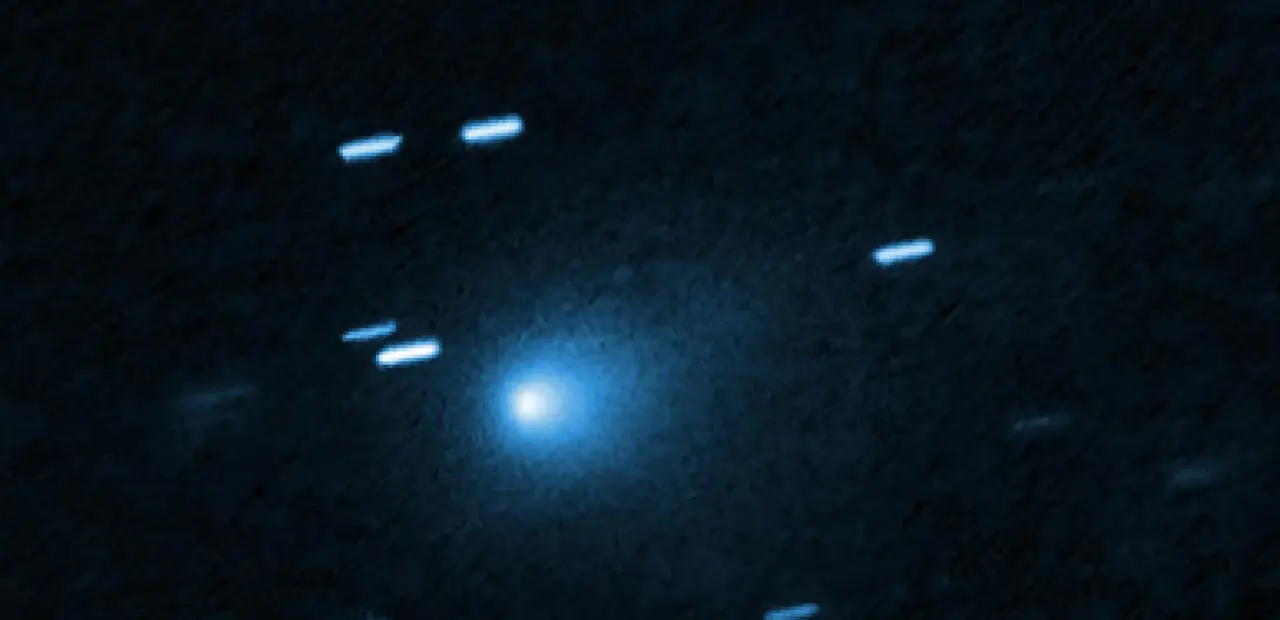
NASA’s James Webb Space Telescope has captured the first mid-infrared chemical fingerprint of an interstellar object, revealing unusual chemistry on comet 3I/ATLAS. The findings, published in The Astrophysical Journal Letters, include the first direct detection of methane on a visitor from another star system. Researchers used Webb’s MIRI instrument during two observing sessions after the comet passed its closest point to the Sun. The comet also contains exceptionally high levels of carbon dioxide, making it unlike most comets born in our solar system. Scientists believe the methane was hidden beneath the surface and only emerged after solar heating reached deeper icy layers. Webb also tracked a sharp decline in gas production as the comet moved farther from the Sun.
What’s reported
NASA’s James Webb Space Telescope detected methane gas on interstellar comet 3I/ATLAS for the first time on an interstellar visitor.
The comet releases exceptionally large amounts of carbon dioxide relative to water, far exceeding levels in solar system comets.
Observations occurred on December 15-16 and December 27, with the comet at about 205 million miles and 236 million miles from the Sun, respectively.
Methane’s appearance after the comet passed the Sun suggests it was buried beneath the surface and released by solar heating.
The methane-to-water ratio is much higher than typically seen in solar system comets.
Water gas production showed the steepest decline as the comet moved away from the Sun.
The findings were published in The Astrophysical Journal Letters.
Key figures
Matthew Belyakov (lead author of the journal reference)
Ian Wong, Bryce T. Bolin, M. Ryleigh Davis, Steven J. Bromley, Carey M. Lisse, Michael E. Brown (co-authors)
Sources: ScienceDaily