Ukrainian Drone Campaign Disrupts Fuel Supplies, Sparks Crisis in Crimea

7 verified4 unconfirmed
A series of Ukrainian drone strikes targeting fuel supplies has triggered a severe fuel crisis in Crimea, the Russian-occupied peninsula. The attacks have focused on refineries, depots, pipelines, and the key highway linking southern Russia to Crimea, known as the R-280 or “Novorossiya” route. As a result, gas stations on the peninsula have seen long lines and rationing measures, with local authorities restricting fuel sales. The Kremlin has acknowledged the shortages, which come as Crimea enters its summer tourism season. Both sources report that the crisis is the worst since Russia’s 2014 annexation of the peninsula, with Ukrainian drone capabilities playing a central role in disrupting Russian logistics. The overall front line remains largely static, and the fuel shortages have raised questions about the impact on Russian military operations and the Kremlin’s narrative of success in the war.
What’s verified
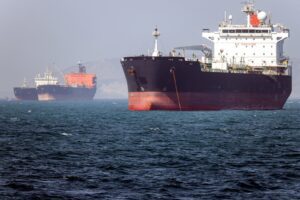
Ukrainian drone strikes have targeted fuel supplies to Crimea, including refineries, depots, pipelines, and fuel trucks on the land corridor from Russia.
The strikes have triggered fuel rationing in Crimea, with authorities restricting gasoline sales to 20 liters (about 5.3 gallons) per vehicle owner per week using prepaid coupons or vouchers.
Kremlin spokesman Dmitry Peskov acknowledged the fuel shortages and promised measures to address the situation.
The crisis is described as the worst since Russia illegally annexed Crimea in 2014.
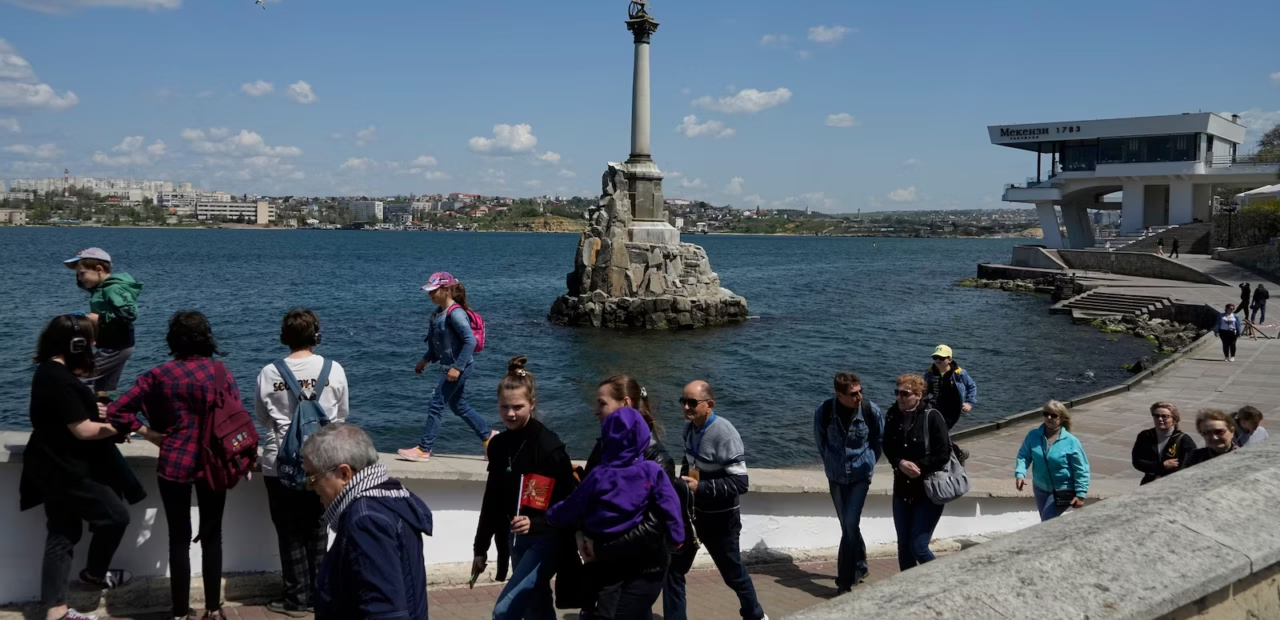
Tourism on the peninsula has been affected, with reports of long lines at gas stations and canceled hotel bookings.
Russian military bloggers and some officials have criticized the military for being unprepared for the drone attacks.
Ukraine’s drone capabilities have increased, allowing for strikes deep inside Russia and on supply lines.
Not yet confirmed
Whether the fuel disruptions have directly affected Russian military operations in the region (only one source provides a specific figure: a 71% decrease in military cargo traffic over two weeks, attributed to a Ukrainian drone commander).
The extent to which the crisis has led to panic-buying, as the Kremlin has attributed the shortages in part to “completely unfounded” panic-buying (only one source includes this Kremlin claim).
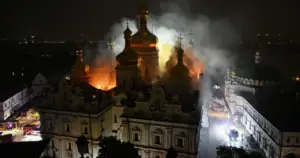
Details of specific drone attacks on civilian infrastructure, including a passenger train and a historic painting in Sevastopol (each reported by only one source).
How long the crisis will last and whether Russia can adapt its defenses quickly enough to restore supply lines.
Key figures
Dmitry Peskov – Kremlin spokesman
Vladimir Putin – Russian president
Volodymyr Zelenskyy – Ukrainian president
Robert Brovdi – commander of Ukrainian drone forces
Emil Kastehelmi – military analyst, Black Bird Group
Bob Tollast – land warfare expert, Royal United Services Institute
Mykola Bielieskov – Ukrainian military analyst
Vladimir Saldo – Russian-installed governor of occupied Kherson region
Andrei Gurulev – Russian lawmaker and retired military officer
Sources: abcnews.com, NBC News