

UK social media ban for under-16s raises privacy concerns, says journalist

11 reported
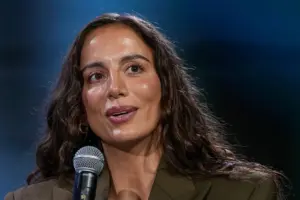
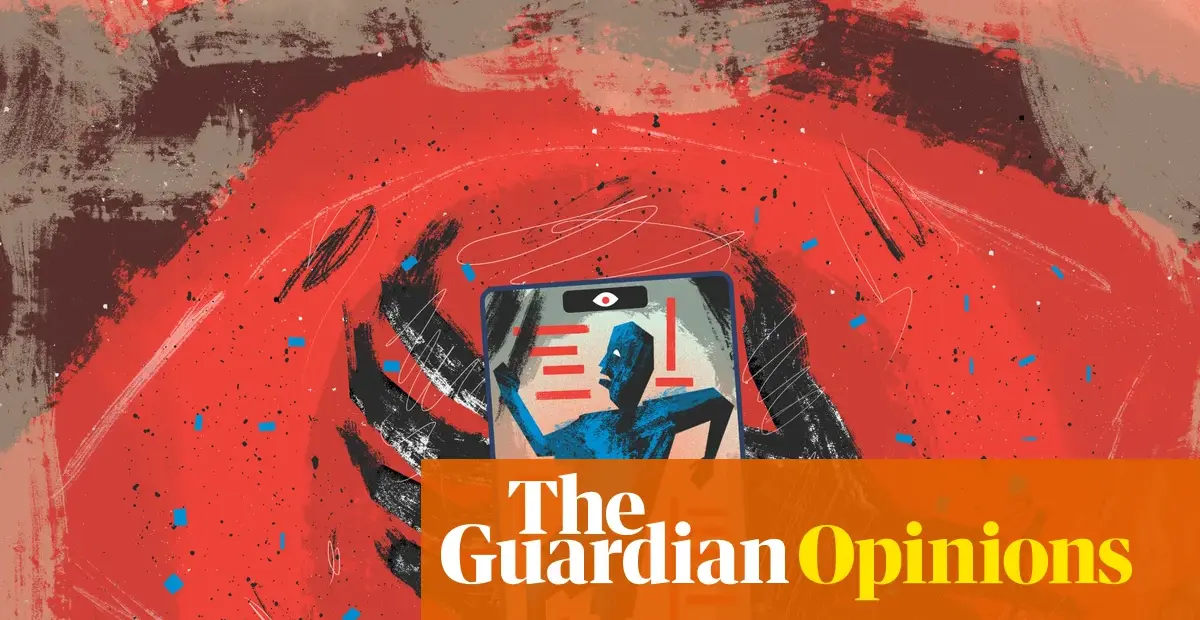
According to a Guardian opinion piece by technology journalist Taylor Lorenz, the UK has announced a ban on social media that will require users to prove they are over 16 to access platforms such as X, Instagram, YouTube, Facebook, TikTok and Snapchat. Prime Minister Keir Starmer called the policy “a line in the sand,” stating, “Tech giants had their chance and failed.” Lorenz argues the law will help large tech companies consolidate power by requiring age verification, potentially involving government ID and facial scans. She contends that such data can be used for advertising, AI training, or stolen by bad actors, and that children are more likely to experience harm under age verification. Lorenz advocates for comprehensive data privacy regulation and antitrust action instead of age-verification policies.
What’s reported
The UK announced a ban on social media that will block users under 16 from accessing apps such as X, Instagram, YouTube, Facebook, TikTok and Snapchat unless they prove they are over 16.
Prime Minister Keir Starmer called the policy “a line in the sand” and said, “Tech giants had their chance and failed.”
Age verification may require users to upload government ID along with an image for AI to verify.
Tech companies could gather facial scans, biometric data and sensitive information from millions of users.
Data collected is used to build consumer profiles sold to advertisers or used to train AI systems.
Mark Zuckerberg explained Facebook’s business model in April 2018 by stating, “Senator, we run ads.”
Children are significantly more likely to experience harms such as identity theft, blackmail, or abuse under age verification, according to the article.
Third-party identity verification company Persona recently announced a $2bn valuation after a funding round co-led by Peter Thiel’s Founders Fund.
In 2024, X suspended dozens of protesters’ accounts in India after threats of fines and imprisonment.
In 2020, Facebook agreed to restrict anti-government content in Vietnam after the government throttled its services.
Earlier this year, Meta and Snapchat began blocking accounts of Saudi Arabian dissidents after orders by Saudi authorities.
Key figures
Keir Starmer, UK prime minister
Mark Zuckerberg, Facebook CEO (as of April 2018)
Senator Orrin Hatch (mentioned in 2018 exchange)
Peter Thiel, co-leader of Persona funding round (via Founders Fund)
Taylor Lorenz, technology journalist and author
Sources: The Guardian