


Neurons break and repair DNA during brain development, study finds

6 reported2 unconfirmed
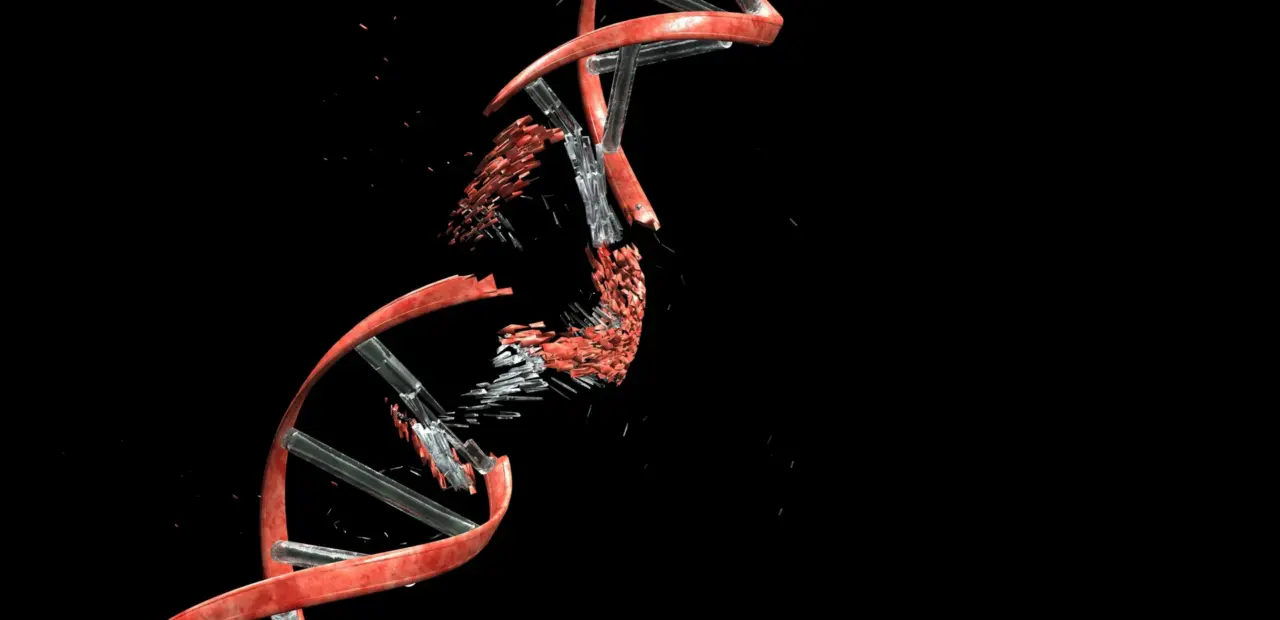
A study published in Nature has found that developing neurons routinely break their own DNA as they migrate through tight spaces in the brain, then quickly repair the damage. Researchers from Kyoto University’s Institute for Integrated Cell-Material Sciences and collaborating institutions observed that young neurons experience double-strand breaks—a severe form of DNA damage—while squeezing through narrow gaps in brain tissue. The damage is caused by an enzyme called Topoisomerase IIβ, which becomes trapped when neurons are under mechanical stress. In healthy brains, the breaks are repaired within 24 hours through a mechanism called non-homologous end joining, and the neurons continue functioning normally. The study is based on a single source, ScienceDaily, reporting on research from Kyoto University.
What’s reported
The study was published in Nature on June 21, 2026.
Researchers recreated physical challenges by guiding neurons through microchannels mimicking tight spaces in brain tissue.
Double-strand DNA breaks appeared as neurons moved through channels and disappeared within 24 hours.
The enzyme Topoisomerase IIβ normally cuts and reconnects DNA to relieve tension but can become trapped during mechanical stress.
DNA breaks in neurons were concentrated in genome regions not involved in critical gene functions.
Mice engineered to lack the repair enzyme Ligase 4 developed normally but later experienced mild, worsening balance problems.
Open questions
Whether early DNA changes contribute to differences between individual neurons.
Whether these changes influence neurodevelopmental or neurodegenerative diseases later in life.
Key figures
Professor Mineko Kengaku, of Kyoto University’s WPI-iCeMS, who led the study.
Collaborating institutions: Kyoto University, University of Tokyo, University of Osaka, National University of Singapore, Tokyo Metropolitan Institute of Medical Science.
Sources: ScienceDaily