


New method traces strawberry genome evolution through DNA time stamps

9 reported
Researchers have developed a new technique to reconstruct the evolutionary history of complex plant genomes by analyzing genetic traces left by transposable elements. The method, described in the journal Horticulture Research, uses a serial similarity matrix built from long terminal repeat retrotransposons to identify distinct subgenomes and estimate when major genome-merging events occurred. When applied to the cultivated octoploid strawberry (Fragaria × ananassa), the technique revealed four distinct subgenomes and evidence for three sequential allopolyploidization events. The findings challenge previous models that proposed additional diploid progenitor species and suggest some contributors to the strawberry genome may have been extinct or remain unsampled. The researchers tested the approach on well-studied allopolyploid crops including teff and cotton, where it successfully distinguished known subgenomes. The study was supported by a grant from the National Institute of Food and Agriculture Specialty Crop Research Initiative.
What’s reported
The study introduces a genome-wide approach using long terminal repeat retrotransposons to untangle complex genetic histories.
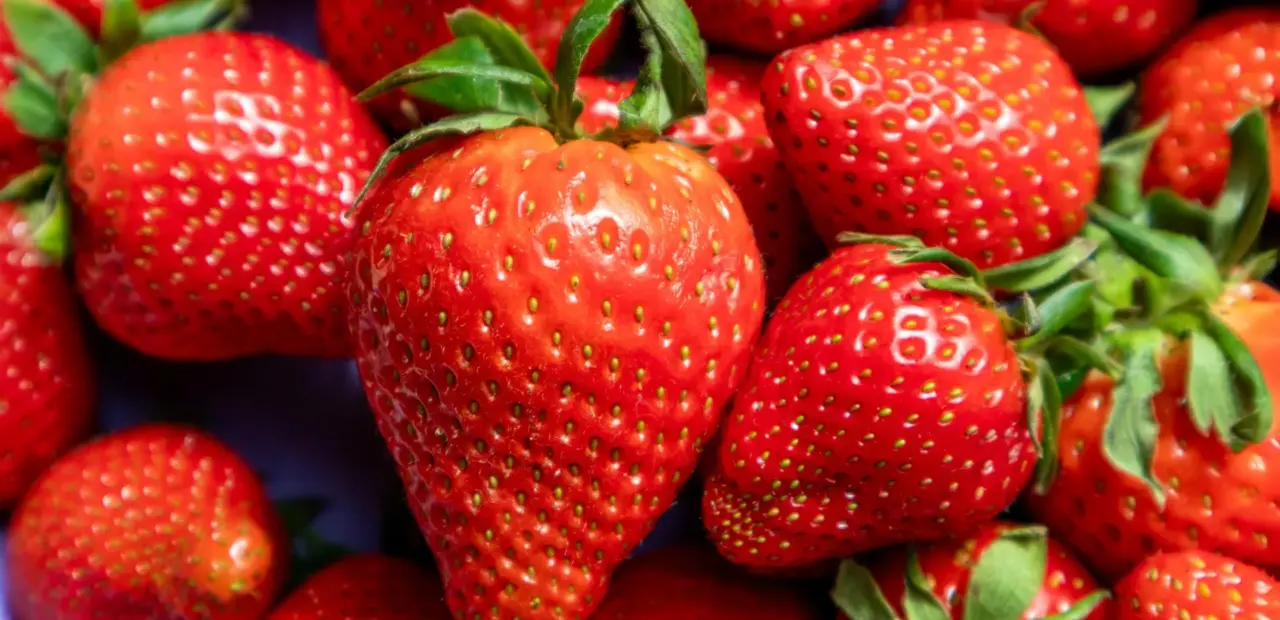
The method was applied to the cultivated octoploid strawberry (Fragaria × ananassa).
The technique identified four distinct subgenomes and three sequential allopolyploidization events.
The estimated timing of the three events: approximately 3.1-4.2 million years ago, 1.9-3.1 million years ago, and 0.8-1.9 million years ago.
The results support close evolutionary relationships between two strawberry subgenomes and the species Fragaria vesca and Fragaria iinumae.
The findings challenge previous models that proposed additional diploid progenitor species.
Some contributors to the strawberry genome may have been extinct or remain unsampled.
The method was tested on teff and cotton, successfully distinguishing known subgenomes.
The study was published in Horticulture Research and supported by NIFA SCRI Grant 2022-51181-38241.
Key figures
Haomin Lyu (author of journal reference)
Shujun Ou (author of journal reference)
Won Cheol Yim (author of journal reference)
Qingyi Yu (senior author and grant recipient)
Sources: ScienceDaily