


Strait of Hormuz reopening faces security, mines, and toll obstacles

14 reported4 unconfirmed
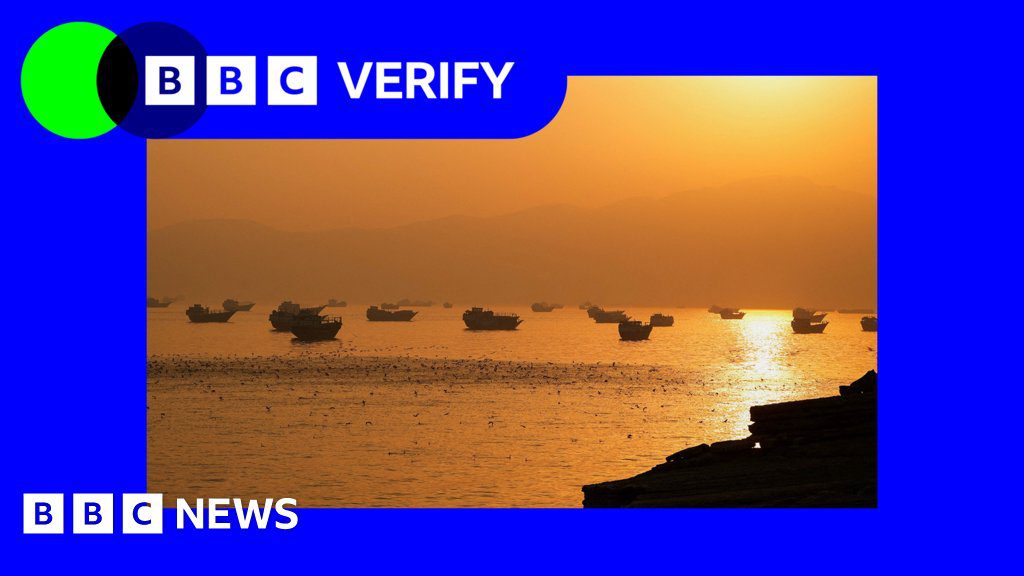
According to BBC Verify analysis of MarineTraffic ship-tracking data, only seven vessels have passed through the Strait of Hormuz since a US-Iran deal was announced on Sunday, while as many as 580 ships appear to be waiting in the Gulf. Tehran effectively closed the waterway, through which about a fifth of the world's oil and gas supplies usually travel, following US and Israeli strikes on 28 February. Experts cite three main obstacles preventing a return to normal traffic: security concerns, sea mines, and potential tolls. Ship-tracking data from Tuesday shows more than 250 tankers and more than 330 cargo ships inside the Gulf, with about 75% of tankers stationary. The total number of vessels is likely higher as many ships are not broadcasting their location. Experts say a "wait-and-see mentality" prevails, with few captains willing to be the first to transit.
What’s reported
President Donald Trump announced a US deal with Iran on Sunday, declaring the "opening" of the Strait of Hormuz.
BBC Verify analysis of MarineTraffic data shows only seven vessels have passed through since the deal was announced.
As many as 580 ships appear to be waiting in the Gulf.
Iran effectively closed the Strait of Hormuz following US and Israeli strikes on 28 February.
About a fifth of the world's oil and gas supplies usually transit the strait.
Since late February, Iran has fired on ships attempting to cross without its permission.
The US imposed a naval blockade of Iranian ports on 13 April and has disabled nine "non-compliant vessels".
Trump said the US blockade would remain until the deal with Iran is signed.
Satellite images from 15 June show four US warships near the American blockade line.
Iran threatened to place sea mines in the Gulf, and warnings about floating objects suspected to be mines have been issued.
Clearing mines could take 30 days to six months, according to experts.
Iran has established a "Persian Gulf Strait Authority" to manage "safe passage permits".
Iran's Fars news agency reported the strait would be managed by Iran in coordination with Oman, including possible "service fees".
The UK and France have sent naval vessels for potential mine-clearing operations.
Open questions
How any new payment system for using the strait would be enforced and collected.
What services a potential fee would pay for.
How other Gulf countries feel about Iranian management of the strait.
When the US-Iran deal will be signed.
Key figures
President Donald Trump (US)
Naveen Das (senior oil analyst, Kpler)
Martin Kelly (EOS Risk Group)
Michelle Wiese Bockman (senior analyst, Windward Maritime Intelligence)
Arsenio Dominguez (secretary general, International Maritime Organization)
Phillip Belcher (International Association of Independent Tanker Owners)
Prime Minister Sir Keir Starmer (UK)
Dimitris Ampatzidis (Kpler)
Sources: BBC News