

Starmer resigns as UK prime minister, Burnham emerges as likely successor

16 reported
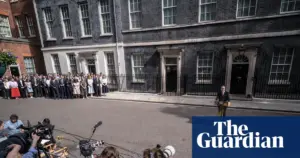
Keir Starmer announced his resignation as UK prime minister on Monday, June 22, 2026, after months of mounting pressure from Labour MPs. The resignation was widely expected and follows a period of deep unpopularity for Starmer, who led Labour to a landslide victory in the 2024 general election but faced criticism over missteps including cutting winter fuel subsidies for pensioners and a U-turn on welfare. Starmer’s judgment was further questioned after he appointed former Labour minister Peter Mandelson as ambassador to the US, a decision that led to a major political scandal when Mandelson’s ties to financier Jeffrey Epstein became known in September 2025. Andy Burnham, the mayor of Greater Manchester, is seen by many in Labour as the party’s best hope to defeat the challenge from the populist-right Reform party led by Nigel Farage. Burnham recently won a special election in the constituency of Makerfield, paving the way for his return to parliament and making him eligible to become Labour leader and prime minister. Wes Streeting, a former health secretary, has announced he will back Burnham, making a leadership contest almost certain to be avoided. Burnham is expected to become Labour leader on 17 or 18 July if unchallenged, and would then be invited by King Charles III to form a government.
What’s reported
Keir Starmer announced his resignation as prime minister on Monday, June 22, 2026.
Starmer led Labour to a landslide victory in the 2024 UK general election but faced months of pressure to resign from Labour MPs.
Starmer’s missteps included cutting winter fuel subsidies for pensioners and a U-turn on welfare.
Starmer appointed Peter Mandelson as ambassador to the US; Mandelson had known links to financier Jeffrey Epstein.
The true extent of Mandelson’s ties to Epstein became known in September 2025, leading to his sacking.
Reform UK, led by Nigel Farage, routed Labour and the Conservatives in municipal elections last year and again last month.
Andy Burnham, 56, has served as mayor of Greater Manchester since 2017 and previously ran for Labour leader in 2010 and 2015.
Burnham won a special election in the constituency of Makerfield last week, defeating the Reform UK candidate by a significant margin.
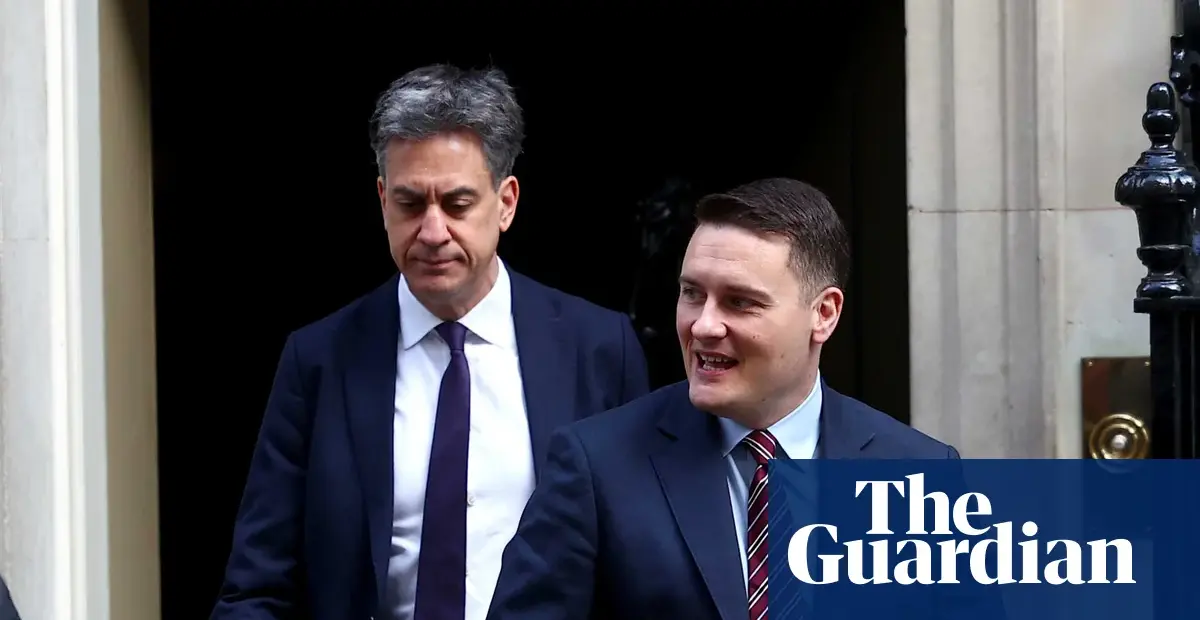
Wes Streeting, a former health secretary who resigned last month, has announced he will back Burnham for leader.
If unchallenged, Burnham is expected to become Labour leader on 17 or 18 July.
Starmer informed King Charles III of his intention to resign before announcing it publicly.
A leadership contest would involve hustings by 16 July, with a new leader in place by September 1 if parliament resumes.
Only Reform UK leader Nigel Farage has called for a general election.
Burnham would be the first practising Catholic to become UK prime minister.
Burnham’s team has signalled he would back controversial changes to the immigration system pioneered by Starmer’s government.
The next UK general election must be called by August 2029.
Key figures
Keir Starmer: outgoing UK prime minister and Labour leader
Andy Burnham: mayor of Greater Manchester, likely next Labour leader and prime minister
Nigel Farage: leader of the Reform UK party
Peter Mandelson: former Labour minister, appointed then sacked as ambassador to the US
Wes Streeting: former health secretary, backing Burnham
King Charles III: informed of Starmer’s resignation
Sources: The Guardian