


Starmer’s economic record shows mixed results across key indicators

8 reported
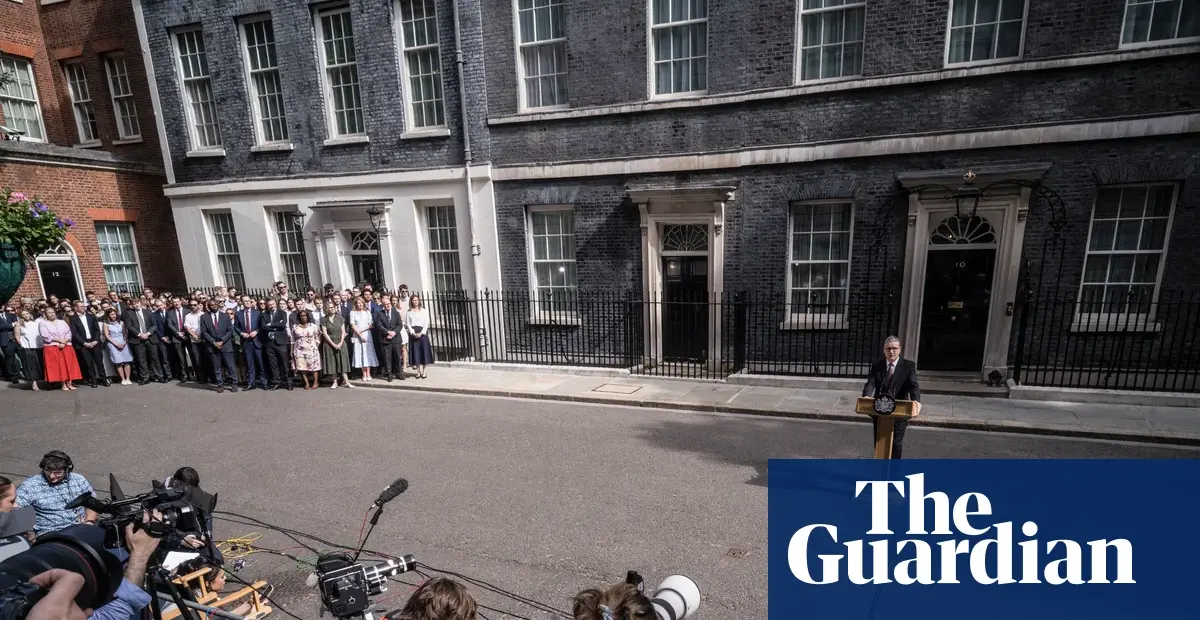
A review of economic data during Keir Starmer's premiership, based on a single source, shows a mixed record with moderate GDP growth, rising unemployment, and fluctuating inflation. The prime minister's leaving speech highlighted achievements, including reversing previous austerity and achieving the highest G7 growth, but the data reveals challenges such as higher employer costs and global instability. GDP grew moderately, with a 0.6% increase in the first quarter of this year making the UK the fastest growing G7 economy, though the IMF forecasts growth slowing to 1% in 2026. Inflation, which was 2.2% when Labour took office, peaked at 3.8% in summer 2025 before declining, then rising again after Trump's strikes on Iran. Unemployment rose from 4.3% to 4.9% in the three months to April, with companies citing higher employment costs and global uncertainty. National debt eased from 99.4% to 95.1% of national income, while the Bank of England cut interest rates six times from 5.25% to 3.75%. Food parcel deliveries fell in 2024 and 2025, and Labour made welfare benefits more generous, including ditching the two-child cap.
What’s reported
GDP grew 0.6% in the first quarter of this year, making the UK the fastest growing G7 economy.
The IMF forecasts UK growth will slow to 1% in 2026, from 1.4% last year.
Inflation was 2.2% when Labour took office in July 2024, peaked at 3.8% in summer 2025, then declined before rising again after Trump's strikes on Iran.
Unemployment rose from 4.3% when Labour came to power to 4.9% in the three months to April.
Public sector net debt fell from 99.4% in 2024 to 95.1% in May.
The Bank of England cut interest rates six times, from 5.25% in summer 2024 to 3.75% in December 2025.
Food parcel deliveries by the Trussell Trust fell in 2024 and 2025.
Labour ditched the two-child cap and reversed plans to restrict Pip payments after backbench revolts.
Key figures
Keir Starmer, prime minister
Rachel Reeves, chancellor
Jeremy Hunt, former chancellor
Donald Trump, US president
Sources: The Guardian