


Sperm whales alter click patterns when boats are near, study finds

8 reported3 unconfirmed
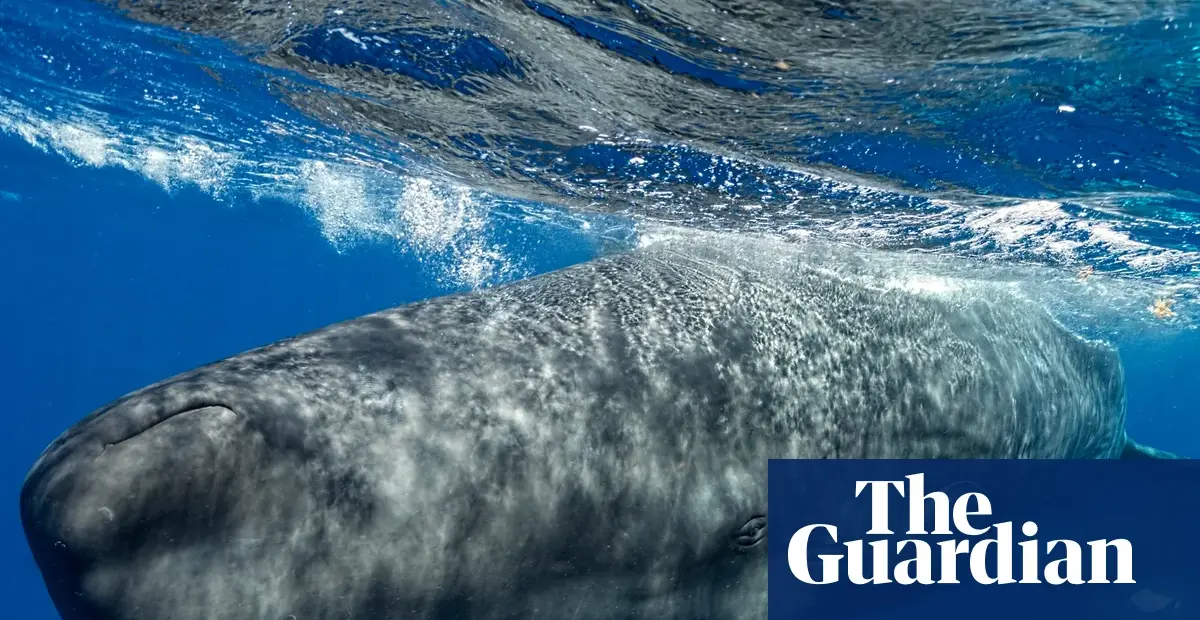
Researchers from Project Ceti, a non-profit organization working to decode sperm whale communication, have found that sperm whales produce a distinct pattern of clicking noises when they hear boats. The scientists spent four years studying the calls of 15 sperm whales off the coast of Dominica. They discovered that individual click sequences became shorter and one type of click pattern became more prominent when whales encountered shipping. The findings are published in the journal Ecological Informatics. The researchers said the association was so strong that they can now use the vocalizations to predict when ships are nearby. The study is based on a single source and has not been independently verified by other outlets.
What’s reported
Researchers from Project Ceti studied 15 sperm whales off Dominica over four years.
Sperm whale “codas” (distinctive click patterns) became shorter and one type became more prominent when ships were near.
The findings are published in the journal Ecological Informatics.
Under normal conditions, a whale named “Atwood” used a 1-1-3 click pattern; with ship noise, the same pattern was faster.
The team recorded more than 1,000 codas using audio tags attached by drones.
Background shipping noise was verified using digital geolocation data.
The researchers did not observe whales increasing vocalization volume, as seen in other marine animals.
Previous Project Ceti research described “vowel-like” sounds in sperm whale codas; the new study found whales used the “aaaa” coda more frequently in noisy conditions.
Open questions
Whether the whales are talking about the ships or if the noise impacts their voices.
What the audible changes in whale calls mean.
Whether other unknown factors besides shipping noise could be driving the changes.
Key figures
David Gruber, founder and chief executive of Project Ceti
Gašper Beguš, linguistics lead at Project Ceti
Nathan Merchant, underwater noise specialist at Cefas (UK government marine research agency), not involved in the research
Sources: The Guardian