
Former CDC officials warn US less prepared for disease outbreaks

12 reported2 unconfirmed
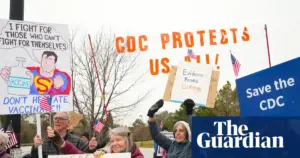
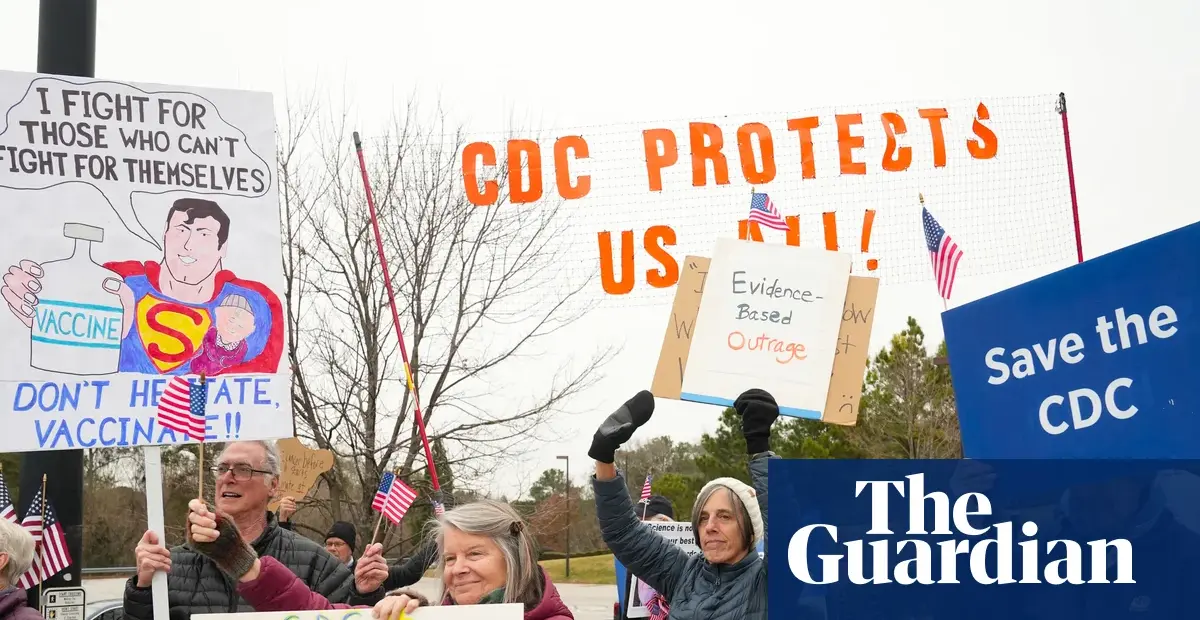
A series of health challenges including hantavirus, screwworm, Ebola, cyclospora, measles, whooping cough, and bird flu are exposing widening gaps in America’s ability to prevent, identify, and halt infectious disease outbreaks, according to former top CDC officials. The rapid dismantling of the US public health system at all levels means the US is in worse shape than it was before the Covid pandemic, the former officials told the Guardian. The CDC lost much of its funding for battling parasites in the last year, and many experts were laid off or resigned without being replaced. Some 80% of senior leadership positions at the CDC still have no permanent officials appointed, and between 25 and 30% of the CDC’s entire staff are gone. The CDC also lost around $40 million in funding to fight malaria and neglected tropical diseases after the Trump administration dismantled USAID last year, resulting in 35 of 73 employees being laid off from those divisions. Former CDC officials Dan Jernigan and Debra Houry said the cuts and conflicting guidance from leaders have compromised the agency’s ability to manage complex crises.
What’s reported
The US is in worse shape to prevent, identify, and halt infectious disease outbreaks than before the Covid pandemic, according to former top CDC officials.
Some 80% of senior leadership positions at the CDC still have no permanent officials appointed.
Between 25 and 30% of the CDC’s entire staff are gone.
The CDC lost around $40 million in funding to fight malaria and neglected tropical diseases after the Trump administration dismantled USAID last year.
35 out of 73 employees were laid off from those divisions; the program clawed back $4 million but faces an uncertain future.
The CDC laboratory specializing in cyclospora fell from 11 people to three.
Millions in funding for mRNA vaccines has been cut.
More than half of US states have passed laws limiting public health actions during emergencies.
The US just surpassed last year’s measles tally.
Robert F Kennedy Jr, secretary of the US Department of Health and Human Services, overruled a CDC medical officer’s decision on home quarantine for hantavirus.
Between 100 and 150 people land in the US every day and need to be monitored for Ebola by public health departments.
New US travel guidance requires American travelers from the Democratic Republic of Congo to quarantine in a third country for three weeks, but travelers from the region must also monitor for symptoms for three weeks after entering the US; it is not clear if both requirements will apply.
Open questions
It is not clear if both quarantine and symptom-monitoring requirements will apply to American travelers from the Democratic Republic of Congo.
The future of the malaria and neglected tropical diseases program remains uncertain.
Key figures
Dan Jernigan, former director of the CDC’s National Center for Emerging and Zoonotic Infectious Diseases
Debra Houry, former chief medical officer of the CDC
Robert F Kennedy Jr, secretary of the US Department of Health and Human Services
Sources: The Guardian