


SpaceX Debuts as Largest IPO Ever, Makes Elon Musk First Trillionaire

11 verified3 unconfirmed3 contested
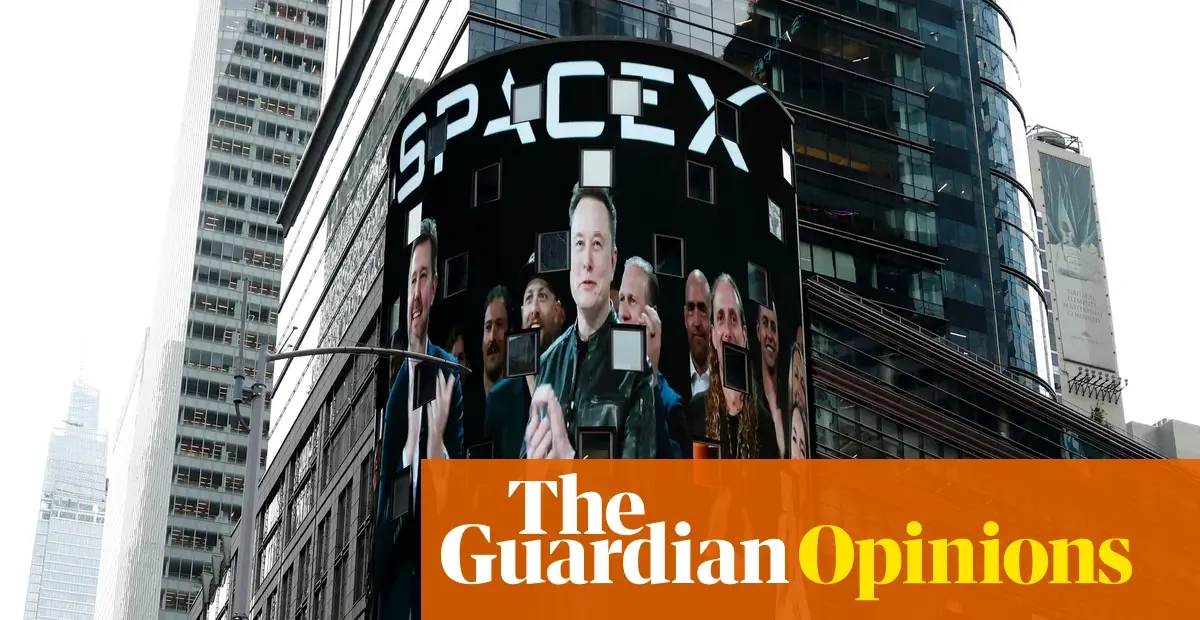
SpaceX began trading on the Nasdaq on June 12, 2026, in the largest initial public offering in history, with shares closing up about 19% on the first day. The company raised $75 billion by selling more than 555 million shares at an offer price of $135, giving it a market valuation above $2 trillion. The debut made SpaceX CEO Elon Musk the world’s first trillionaire, with Forbes estimating his net worth at $1.1 trillion. Musk addressed employees from Starbase, Texas, reiterating the company’s mission to make life multiplanetary. SpaceX executives rang the opening bell in New York, and the company launched a Falcon 9 rocket from Florida shortly before trading began. The IPO places SpaceX among the most valuable U.S. businesses, though the company is not profitable and reported substantial net losses. Musk holds roughly 85% of shareholder voting power, giving him majority control.
What’s verified
SpaceX went public on the Nasdaq on June 12, 2026, in the largest IPO in history.
The company raised $75 billion by selling about 555.6 million shares at $135 each.
Shares closed the first day up approximately 19%, trading around $160–$161, valuing SpaceX at roughly $2.1 trillion.
Elon Musk became the world’s first trillionaire, with Forbes estimating his net worth at $1.1 trillion.
SpaceX is not profitable; it reported a net loss of $4.3 billion (2025 or first quarter 2026, depending on source) on revenue of $18.7 billion last year.
Musk holds about 85% of SpaceX’s voting shares.
SpaceX launched a Falcon 9 rocket with Starlink satellites from Cape Canaveral on the morning of the IPO.
Musk spoke from Starbase, Texas, while President Gwynne Shotwell and CFO Bret Johnsen rang the opening bell at the Nasdaq.
SpaceX earlier this year acquired Musk’s AI startup xAI.
Analysts and critics have questioned the company’s high valuation relative to its lack of profitability and governance risks tied to Musk.
OpenAI and Anthropic have also filed to go public later this year.
Where accounts differ
Loss figures vary across sources: one reports a net loss of $4.3 billion for last year (possibly operating loss), another reports a net loss of $4.3 billion in the first quarter of this year, and a third reports a net loss of $4.9 billion last year.
Share closing price is reported as $160, $160.95, and approximately $161 – a minor difference.
One source notes the stock reached a high of $176 per share intraday; another reports a high around $173 equating to a $2.26 trillion valuation.
Not yet confirmed
Single-source claims include a Morningstar discounted cash flow valuation of $780 billion, Senator Elizabeth Warren’s call for the SEC to delay the IPO, a Nasdaq 100 “fast entry” rule change on May 1, and that more than 4,400 SpaceX employees will become millionaires.
It is not specified exactly how quickly SpaceX shares will be included in index funds, though multiple sources note the process will be faster than typical.
Whether the company will achieve profitability in the near future remains unanswered.
Key figures
Elon Musk – CEO and founder of SpaceX, world’s first trillionaire
Gwynne Shotwell – President of SpaceX
Bret Johnsen – Chief Financial Officer of SpaceX
Elizabeth Warren – U.S. Senator from Massachusetts
Gabriel Zucman – French economist
Songyee Yoon – Managing partner at Principal Venture Partners
Nicolas Owens and Suryansh Sharma – Morningstar analysts
Sources: The Guardian, NPR, dw.com