
US must rebuild risk communication after Covid, measles failures, article argues

14 reported
A commentary published in The Guardian argues that the United States has not learned the lesson that data alone is insufficient for managing public health crises, pointing to ongoing outbreaks of hantavirus, Ebola, and measles. The author, science journalist Lynne Peeples, contends that the interpretive infrastructure that helped the public understand disease risk during the 2014 Ebola outbreak has since fragmented and collapsed. She notes that deep cuts at the CDC, HHS, and NIH, along with the dismantling of USAID and the US withdrawal from the WHO, have undermined both disease tracking and communication capacity. The article states that the US newspaper industry has lost more than three-quarters of its jobs in the past two decades, leaving people more reliant on social media and AI summaries that strip context from numbers. Peeples argues that rebuilding original reporting, communication teams within health agencies, and direct engagement by scientists and doctors is necessary to help the public interpret evidence and take proportionate action.
What’s reported
A hantavirus outbreak tied to a cruise ship appears to be petering out, while Ebola cases continue to mount in Africa.
Researchers put the odds at greater than one in five for another pandemic killing at least 25 million people within the next decade.
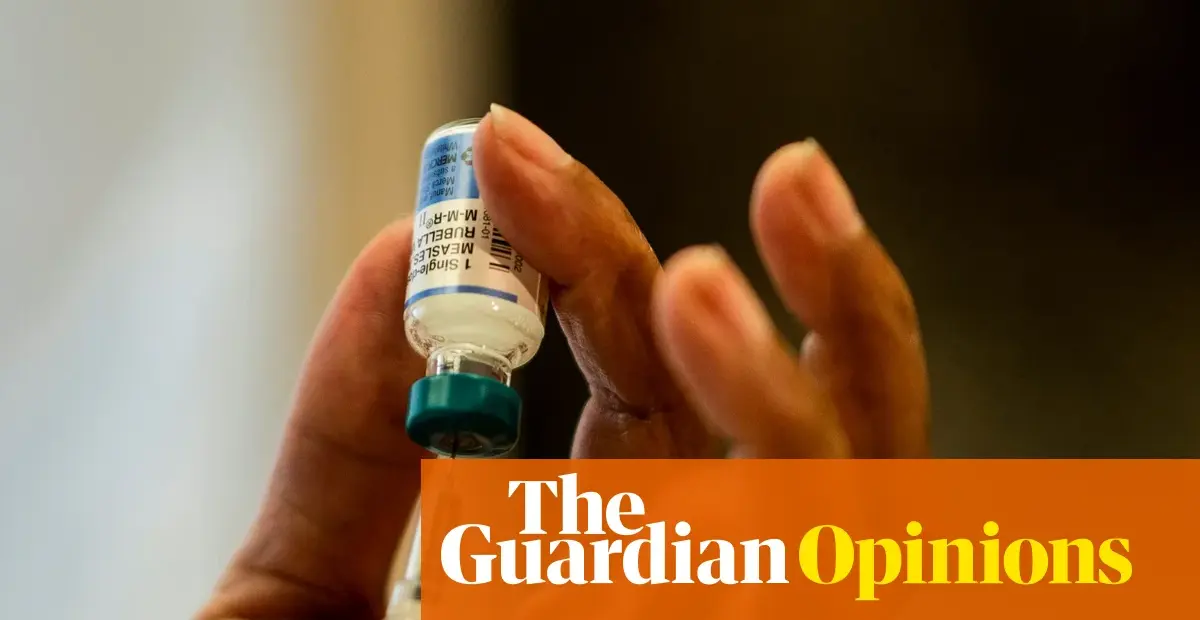
Measles is so contagious that nine out of 10 unvaccinated people exposed will contract it, and effective prevention exists.
The US newspaper industry has lost more than three-quarters of its jobs in the past two decades.
The WHO had begun partnering with platforms such as TikTok before US ties were cut.
One study found that short videos by doctors and nurses ahead of the winter holidays reduced travel and subsequent Covid infections.
In the Democratic Republic of Congo, a radio station has dedicated daily programming to answering questions and correcting rumors about the Ebola outbreak.
Commonly cited hantavirus death rates of 30% to 40% may overstate true risk because milder infections may go undiagnosed.
In January 2020, the WHO tweeted that preliminary investigations found “no clear evidence of human-to-human transmission” of Covid, but fuller statements acknowledged transmission was possible.
A CDC official in May 2026 described a US cruise passenger as testing “mildly” positive for hantavirus, which one Facebook commenter questioned as unclear.
A sharp drop in official Ebola case counts in early June 2026 reflected a definitional shift from suspected to confirmed cases, not a reduction in danger.
In February 2020, the US surgeon general tweeted “Seriously people – STOP BUYING MASKS!” stating they were not effective for the public against Covid; two months later the CDC recommended face coverings.
During the hantavirus response, passengers from the same cruise ship faced different protocols: some placed in quarantine, others asked to self-isolate at home.
The US is hosting millions of visitors for the 2026 World Cup amid persistent measles outbreaks around the world.
Misconceptions
The article itself addresses the misconception that higher death rates among vaccinated people than unvaccinated people during Covid indicated vaccine ineffectiveness, noting the relationship reversed when data was broken down by age. It also addresses the misconception that a “public health emergency of international concern” declaration signals global danger, when it is actually a mechanism for mobilizing resources.
Key figures
Lynne Peeples, science journalist and author of the book “The Inner Clo”
AG Sulzberger, publisher of the New York Times (cited as arguing AI products rely on journalism)
Sources: The Guardian