



Regenerative agriculture studied as potential fix for declining crop nutrients

12 reported1 conflicting
A single-source report from The Guardian examines whether regenerative agriculture can address the declining nutrient content of crops, a trend documented by the US Department of Agriculture in the late 1990s. The article notes that vitamin C in lemons fell by nearly a third over 22 years, calcium in carrots dropped by more than a quarter, and vitamin A in bananas declined by 57%, while wheat minerals have decreased 20-30% since the 1960s. Researchers led by Francesca Brkic, in conjunction with the University of Lincoln, sampled products from regenerative farms and found iron in kale up to 22 times higher, selenium in dried peas eight times higher, and folate in carrots up to 20,000 times greater compared with conventional farms. However, the article also presents skepticism from critics, including physician Dr. Naheed Ali, who warns of "dietary displacement," and soil scientist Prof. Ken Giller, who doubts regenerative agriculture can reliably feed the global population. The report is based solely on The Guardian's July 24, 2026 article and has not been cross-referenced with other sources.
What’s reported
US Department of Agriculture in the late 1990s found vitamin C in lemons decreased by almost a third over 22 years.
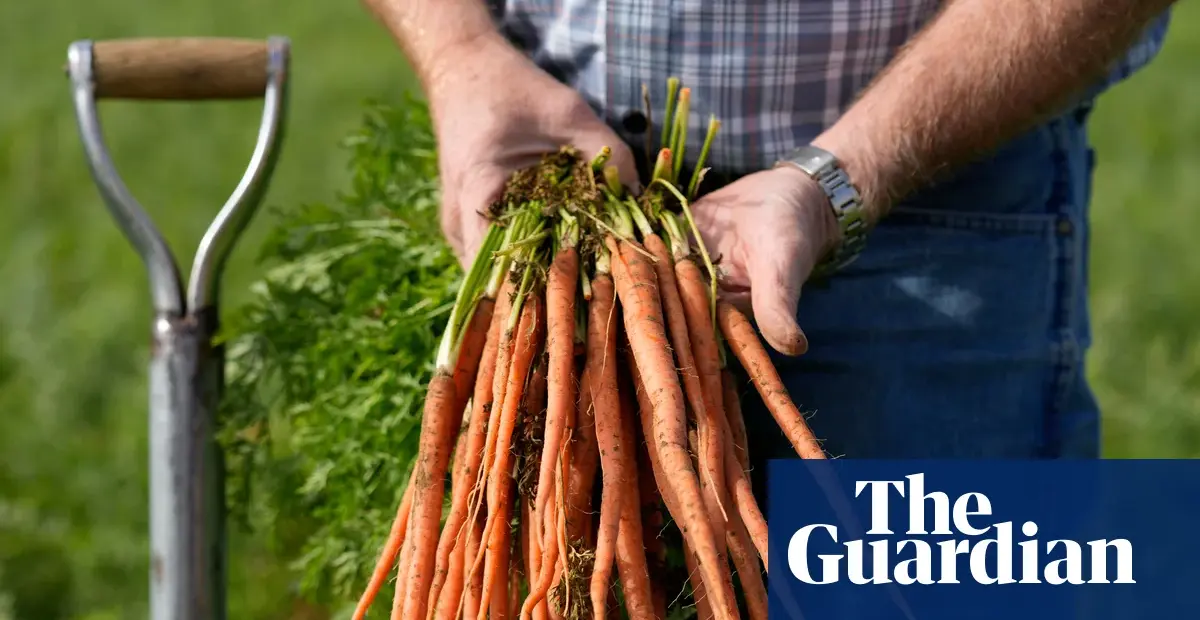
Calcium in carrots reduced by more than a quarter on average; vitamin A in bananas down 57%.
Mineral content of wheat declined by 20-30% since the 1960s.
Francesca Brkic’s research with the University of Lincoln found iron in kale up to 22 times higher in regenerative samples.
Selenium in dried peas was eight times higher; folate in carrots up to 20,000 times greater.
Regenerative farms were defined by use of cover crops, grazing animals, no ploughing, and no insecticides or pesticides.
A 2015 Newcastle University literature review found organic fruit, vegetables, and cereals could provide additional antioxidants equivalent to one to two extra portions per day.
The Bionutrient Institute study found the strongest positive correlation for high nutritional value was soil biological activity and health.
Reviews by UK and French food standard agencies and a Stanford University review found small or variable differences.
Dr. Naheed Ali warns of "dietary displacement" from regenerative claims.
Prof. Ken Giller thinks it "unlikely" regenerative agriculture can reliably feed the world’s 8.3 billion people.
Dr. David Montgomery argues regenerative practices can scale because they depend on a philosophy of building soil health.
Conflicting accounts
The article itself presents conflicting views: some studies (Newcastle University, Bionutrient Institute) support higher nutrient density from regenerative/organic farming, while reviews by UK and French food standard agencies and Stanford University found small or insignificant differences. Additionally, Dr. David Montgomery believes regenerative agriculture can scale, while Prof. Ken Giller doubts it can reliably feed the global population.
Key figures
Francesca Brkic, researcher working with the University of Lincoln
Dr. David Montgomery, US geologist and co-author of "What Your Food Ate"
Anne Biklé, biologist and co-author of "What Your Food Ate"
Dr. Naheed Ali, physician
Prof. Ken Giller, soil scientist
Sources: The Guardian