

UK at tariff disadvantage to EU after US levies, experts say

13 reported
Experts say Donald Trump’s latest round of tariffs has put UK businesses at a disadvantage against the EU, even though the overall tariff for British goods has not changed. The levies, announced late on Thursday, reduce the EU’s previous 15% near blanket tariff to 10%, matching the tariff deal struck by Keir Starmer and Peter Mandelson last year. The UK welcomed the deal, stating there was “no change” to the headline 10% tariff or preferential rates in the car, pharmaceutical and aerospace sectors. However, the reduction to 10% effectively gives the EU an advantage for sectors not specified in the UK’s deal, such as bikes, clothing, chemicals, beverages or gifts. A separate deal cutting US tariffs on Scottish whisky to zero was announced on Friday, giving the UK an advantage over Irish and French spirits rivals. The GMB trade union called the new tariffs “ill-judged, potentially catastrophic for business and likely to utterly fail in their stated aim.”
What’s reported
Trump’s latest tariffs reduce the EU’s previous 15% near blanket tariff to 10%, the same level as the UK’s tariff deal.
The UK’s headline 10% tariff and preferential rates in car, pharmaceutical and aerospace sectors remain unchanged.
The new measures for the EU replace the tariff in the Turnberry deal concluded at Trump’s Scottish golf course last year.
An EU spokesperson said the deal establishes a 10% all-inclusive tariff rate for the EU and reintroduces exemptions for cork, diamonds, aircraft parts, generic medicines, and active ingredients.
The reduction puts the EU at an advantage for sectors not specified in the UK’s deal, such as bikes, clothing, chemicals, beverages or gifts.
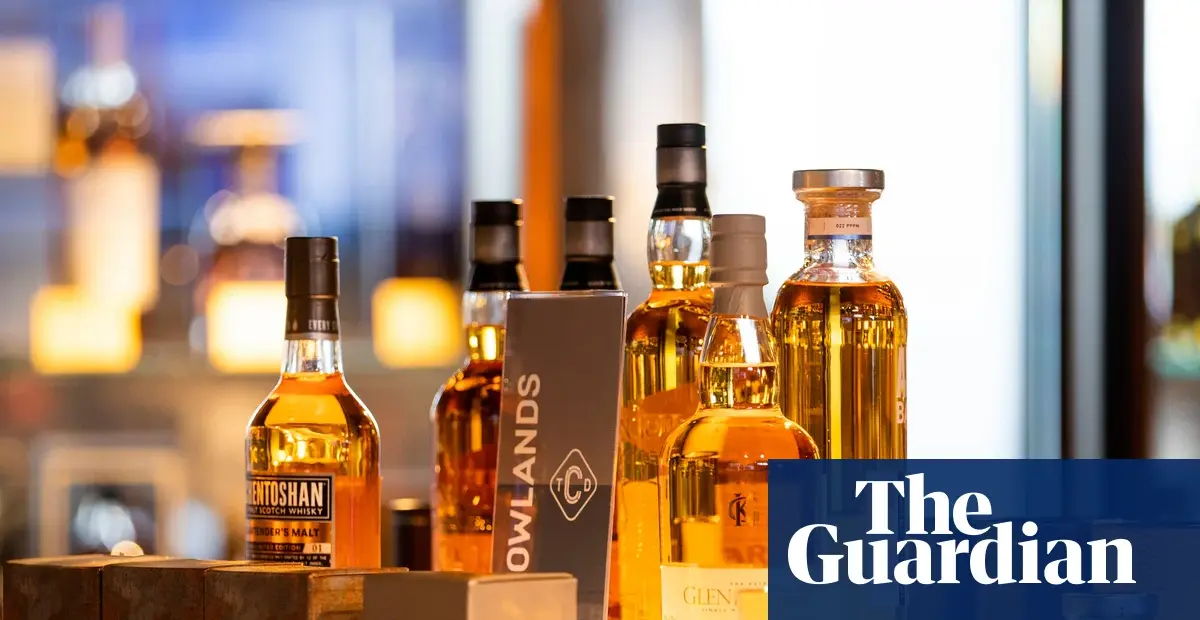
A deal cutting US tariffs on Scottish whisky to zero was announced on Friday, giving the UK an advantage over Irish and French spirits rivals.
The first shipment of tariff-free scotch whisky will depart the UK in the next 48 hours.
William Bain of the British Chambers of Commerce said some sectors, like clothing, have lost their comparative advantage against the EU.
A British knitted jumper would face a 22.5% tariff, while an EU jumper could be sold at 10%.
The GMB trade union said the tariffs were “ill-judged, potentially catastrophic for business and likely to utterly fail in their stated aim.”
A government spokesperson said there is no negative change to the UK tariff rate and that the US recognized UK steps on forced labor.
An EU spokesperson said the EU did not agree with the premise of the forced labor investigation.
Trump is expected to announce more tariffs under section 301 of the 1974 Trade Act.
Key figures
Donald Trump, former US president
Keir Starmer, UK prime minister (referenced as part of tariff deal)
Peter Mandelson, UK official (referenced as part of tariff deal)
Jamieson Greer, US trade representative
Andy Burnham, UK official (referenced in whisky deal)
Jonathan Reynolds, UK business secretary
Douglas Alexander, Scotland secretary
William Bain, trade policy director for the British Chambers of Commerce
Charlotte Brumpton-Childs, GMB national secretary
EU spokesperson (unnamed)
Sources: The Guardian