

OECD warns of global recessions if Iran conflict continues into 2027

9 reported
The Organisation for Economic Co-operation and Development has released forecasts warning that a prolonged Middle East conflict could drive some economies into recession and cause energy shortages. In its latest Economic Outlook, the OECD outlines a “prolonged disruption” scenario where no agreement between the US and Iran is reached until 2027. Under this scenario, global GDP growth would fall to 2.1% in 2026 from 3.4% in 2025, pushing some economies into or close to recession, with emerging economies hit hardest. The OECD also presents an alternative scenario where progress toward a peace agreement allows oil prices to decline, resulting in global GDP growth of 2.8% in 2026 and 3.1% in 2027. The report notes that the Iran conflict is “the dominant force shaping the global economic outlook,” according to OECD chief economist Stefano Scarpetta. The analysis is based on a single source, The Guardian, and has not been cross-referenced with other outlets.
What’s reported
The OECD’s “prolonged disruption” scenario assumes no US-Iran agreement until 2027.
Global GDP growth would drop to 2.1% in 2026 from 3.4% in 2025 under that scenario.
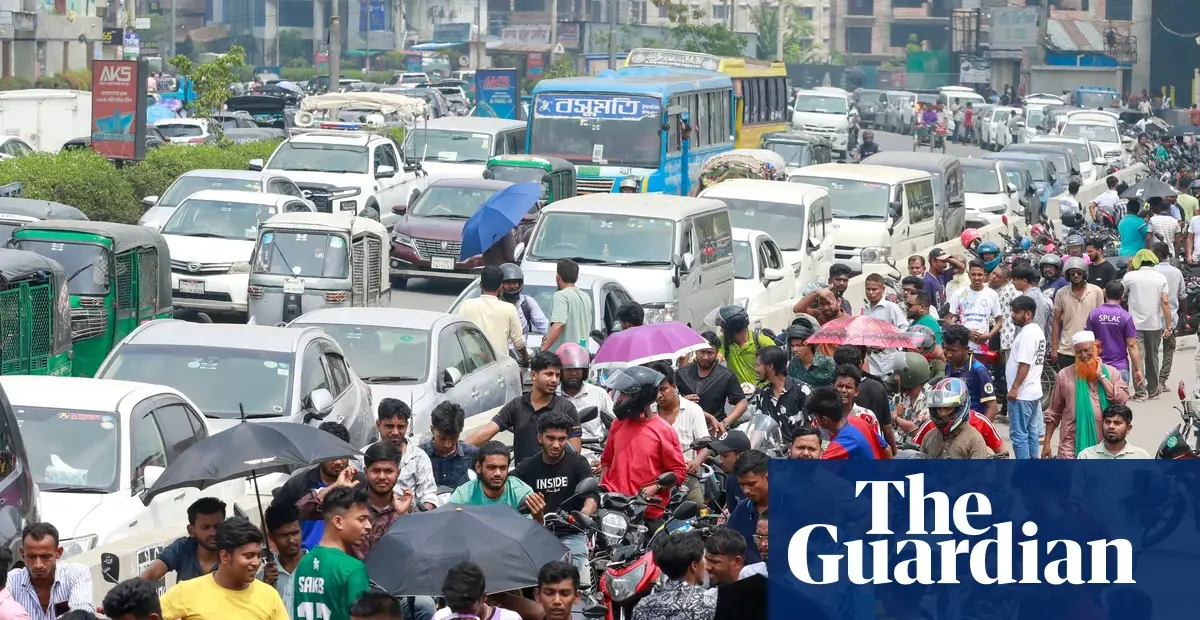
Oil and gas shortages could lead to “enforced rationing” of energy for businesses.
Prices of fertilisers, sulphur, and helium would rise as supply is curtailed.
The US AI boom could be at risk due to increased datacentre operating costs and constrained hardware supply.
Talks between the US and Iran are suspended, with Iran refusing to participate while Israel attacks Hezbollah in Lebanon.
The strait of Hormuz has been choked for more than three months, squeezing oil supplies.
Total corporate debt in G20 economies was $90tn by Q3 2025, with a quarter maturing in three years.
The OECD warns of “adverse spillover risks” from the private credit sector in the event of a correction.
Key figures
Stefano Scarpetta, OECD chief economist
Donald Trump, US president (mentioned as suggesting a deal with Tehran is imminent)
The Organisation for Economic Co-operation and Development (OECD)
Sources: The Guardian