



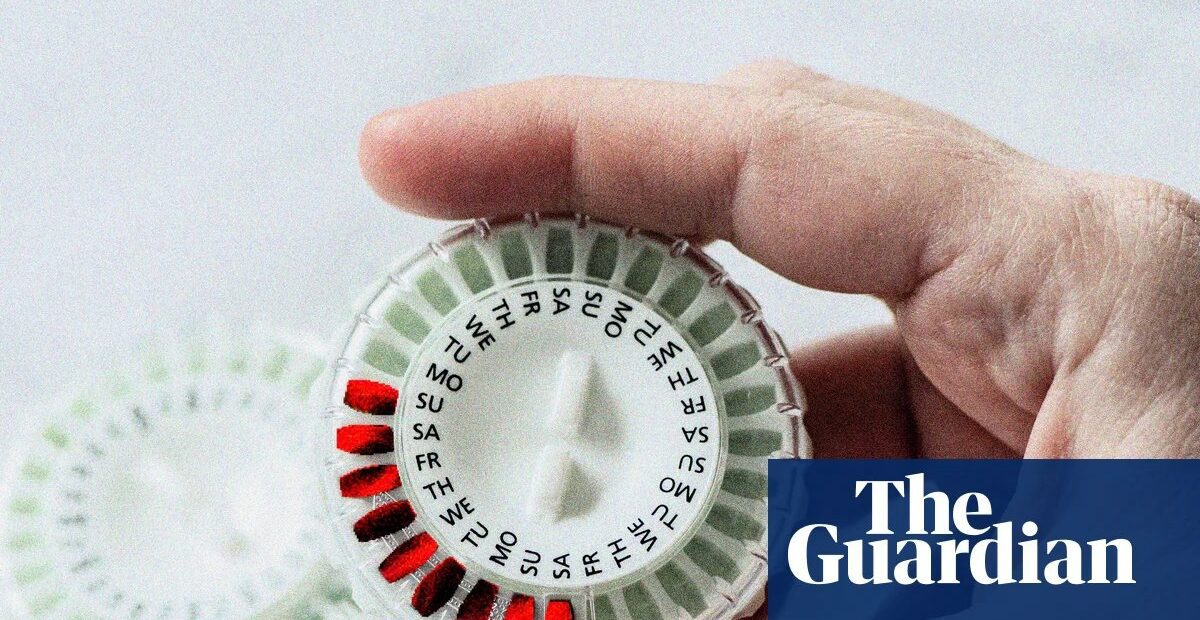
Menopause hormone therapy benefits and hype examined in new report

9 reported
A new report examines the current state of menopause hormone therapy (MHT), noting a shift in medical opinion since a 2002 study raised concerns about risks. The article, based on expert interviews, states that timely MHT provides relief for menopause symptoms and lowers fracture risk, but warns against viewing it as a cure-all for all age-related ailments. It highlights that while menopause awareness is growing, many women may attribute symptoms to menopause that have other causes. The report also addresses exaggerated claims on social media and by some officials, including inaccurate statements about MHT preventing Alzheimer’s disease or extending life. Experts advise consulting a clinician with up-to-date menopause knowledge to determine if MHT is appropriate.
What’s reported
A 2002 study suggested risks of MHT (blood clots, stroke, breast cancer) outweighed benefits, but a 2012 reanalysis found that calculus only applied to older women.
In a 2025 Mayo Clinic study, about one-third of women reported pronounced menopause symptoms, but only 13% sought treatment.
Nanette Santoro, a professor at the University of Colorado, said menopause is not confirmed until a year after one’s last period, missing the most symptomatic window.
Lauren Streicher, a gynecologist at Northwestern University, noted it can be tricky to determine if symptoms are due to menopause, medication, or aging.
Claims that MHT prevents weight gain, dementia, heart disease, or prolongs life are not grounded in evidence, according to the article.
Products sold by content creators account for about a third of the $10-15bn menopause market.
In November 2025, HHS Secretary Robert F Kennedy Jr and then-FDA commissioner Marty Makary removed the black box warning on hormone therapy, making inaccurate claims about MHT preventing Alzheimer’s and extending life.
Estrogen helps reduce hot flashes, night sweats, and sleep disturbances; transdermal application may be safer than oral due to blood clot risk.
MHT is broadly safe for most women starting within 10 years of their last period or before age 60.
Key figures
Nanette Santoro, professor of obstetrics and gynecology and menopause researcher at the University of Colorado
Lauren Streicher, gynecologist and menopause researcher at Northwestern University
Robert F Kennedy Jr, Department of Health and Human Services secretary
Marty Makary, former Food and Drug Administration commissioner
Sources: The Guardian