


Entomologist Dino Martins champions parasites in new book on nature’s overlooked creatures

8 reported
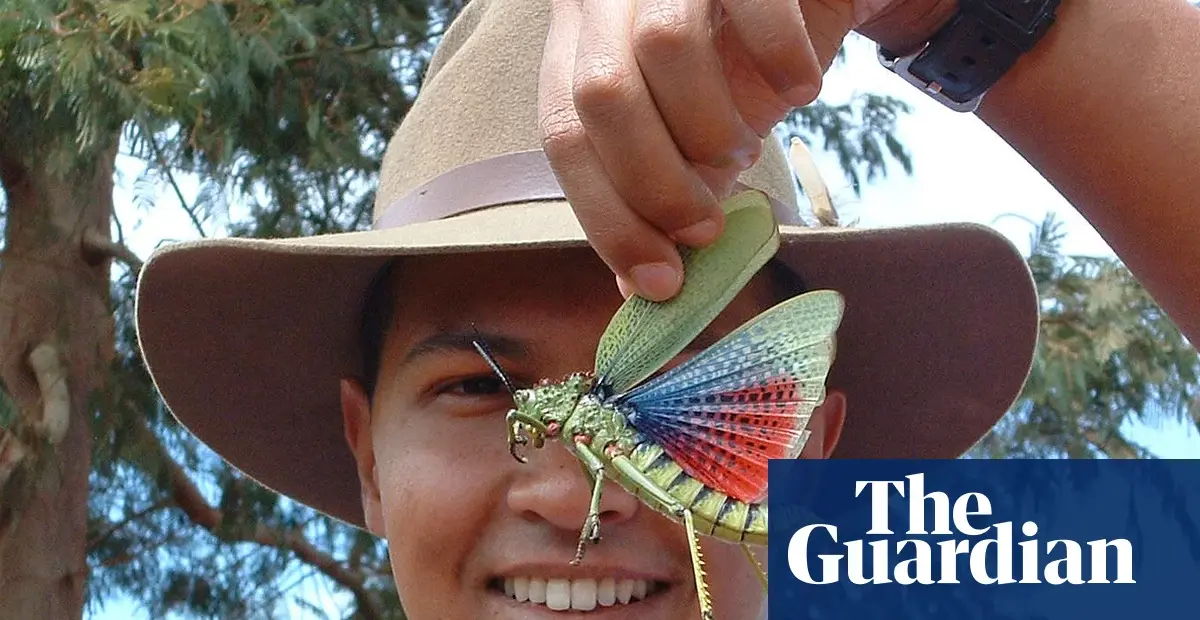
Entomologist and evolutionary biologist Dino J Martins has published a new book, "Hidden Creatures: Luscious Leeches, Bashful Botflies and the Wondrous, History-Shaping World of Parasites," based on his personal encounters with parasites in east Africa, New York, the Borneo rainforests and the parks of London. Martins, who chairs the insect committee of Nature Kenya and is a research professor at Stony Brook University, argues that parasites are central to biodiversity and that understanding them offers insights into ecosystems, evolution and potential medical treatments. The book notes that one in three people serve as hosts to some kind of parasitic nematode at any given time, including hookworms that "have sex frequently and vigorously" in human intestines. Martins suggests that some exposure to parasites can strengthen immunity, and that completely removing them from our lives may have consequences we are only beginning to understand. He also argues that global shifts in diets and farming practices have created opportunities for parasites to spread, and that human efforts to eradicate them face evolutionary resistance. The 2015 Whitley gold award winner hopes the book will interest nature-oriented societies and students of conservation, biology and medicine.
What’s reported
Dino J Martins is an entomologist and evolutionary biologist who chairs the insect committee of Nature Kenya and is a research professor at Stony Brook University.
His new book "Hidden Creatures: Luscious Leeches, Bashful Botflies and the Wondrous, History-Shaping World of Parasites" was published this month.
The book is based on his personal encounters with parasites in east Africa, New York, the Borneo rainforests and the parks of London.
Martins states that one in three people serve as hosts to some kind of parasitic nematode at any given time, including hookworms that have sex frequently and vigorously in human intestines.
He suggests some exposure to parasites can strengthen immunity and that removing them may have consequences we are only beginning to understand.
Martins argues that global shifts in diets and farming practices have created opportunities for parasites to spread.
He notes that human efforts to eradicate hookworms have been futile despite preventive deworming drugs such as albendazole, and no approved vaccines exist for hookworms in humans, though several candidates are in clinical trials.
Martins won the Whitley gold award in 2015.
Key figures
Dino J Martins: entomologist, evolutionary biologist, chair of the insect committee of Nature Kenya, research professor at Stony Brook University, author, 2015 Whitley gold award winner.
Aminatta Forna: British-Sierra Leonean writer who encouraged and revived Martins to write the book.
Joe and Sarah Ellen: Martins' foster parents.
Sources: The Guardian