



Fed’s Preferred Inflation Gauge Hits Three-Year High in May

8 verified5 unconfirmed
The Federal Reserve’s preferred inflation measure, the personal consumption expenditures (PCE) price index, rose to a new three-year high in May, driven largely by higher gas prices and increased costs for semiconductors used in artificial intelligence development. The Commerce Department reported that consumer prices increased 4.1% in May compared to a year earlier, the largest annual gain since April 2023. On a monthly basis, inflation was 0.4%, matching April’s increase and below March’s 0.7% rate. The persistent price pressures have led the Fed to keep its key interest rate unchanged this year, reversing earlier expectations of two rate cuts, with some economists now forecasting a possible rate increase. New Fed Chair Kevin Warsh reiterated the central bank’s commitment to returning inflation to its 2% target but did not specify future policy steps. Gasoline prices, which peaked near $4.50 a gallon in May, have since declined to $3.92 as of Thursday, according to AAA, though they remain more than 20% above year-ago levels as the summer driving season begins. The rising costs could create political challenges for President Trump and his party as midterm elections approach.
What’s verified
The Fed’s preferred inflation gauge rose to a three-year high in May.
Consumer prices rose 4.1% in May from a year earlier, the largest annual increase since April 2023.
On a monthly basis, inflation was 0.4% in May, matching April’s increase and down from 0.7% in March.
The increase was largely driven by more expensive gas and higher costs for semiconductors used in AI development.
The Federal Reserve has kept its key interest rate unchanged this year, a reversal from January when two cuts were expected; some economists now forecast a rate increase.
New Fed Chair Kevin Warsh underscored the central bank’s determination to return inflation to its 2% target but gave no indication of future policy steps.
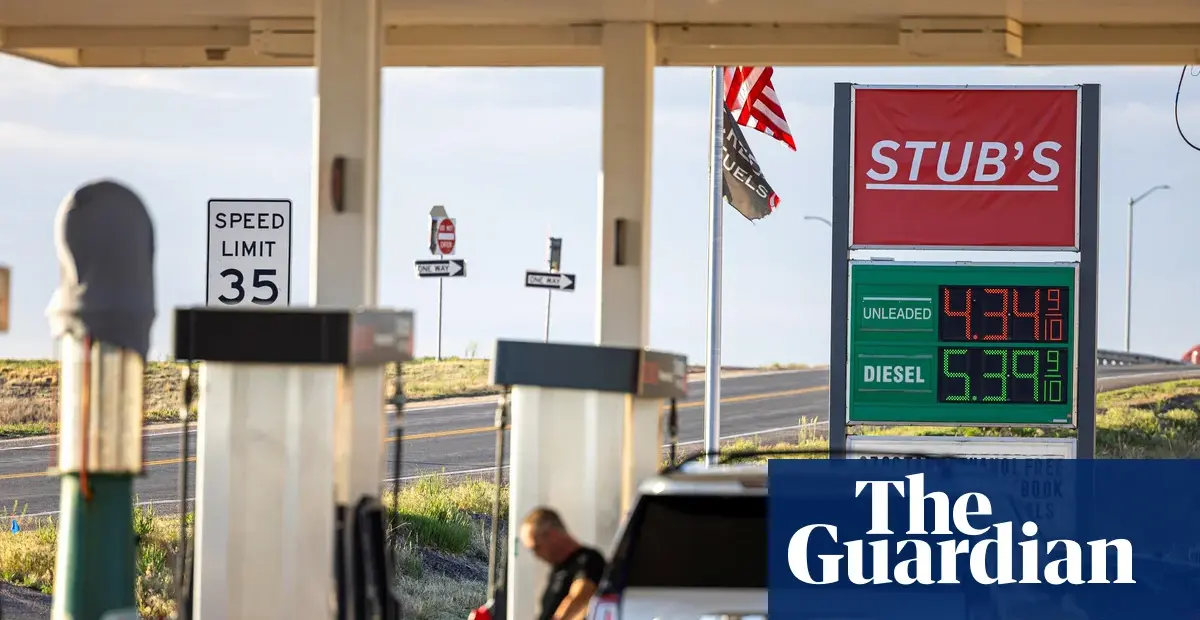
Gasoline prices peaked near $4.50 a gallon in May and fell to $3.92 as of Thursday, according to AAA, still more than 20% higher than a year ago.
The rising costs could pose political problems for President Trump and his party as midterm elections near.
Not yet confirmed
Only one source reported that consumer spending, adjusted for inflation, rose 0.3% from April to May.
Only one source reported that inflation-adjusted incomes rose 0.3% in May, the first increase in four months.
Only one source reported that core prices (excluding food and energy) rose 3.4% in May from a year earlier, up from 3.3% in April, and 0.3% on a monthly basis.
Only one source included economist Mark Vitner’s comment that inflation had not topped 2.5% for nearly a decade before the pandemic.
It is not specified whether the Fed will raise rates this year or maintain the current level.
Key figures
Kevin Warsh, Federal Reserve Chair
Mark Vitner, chief economist at Piedmont Crescent Capital (mentioned in one source)
AAA (automobile club)
U.S. Commerce Department
President Donald Trump
Sources: The Guardian, abcnews.com