

Starmer hopes under-16 social media ban begins next spring

8 reported
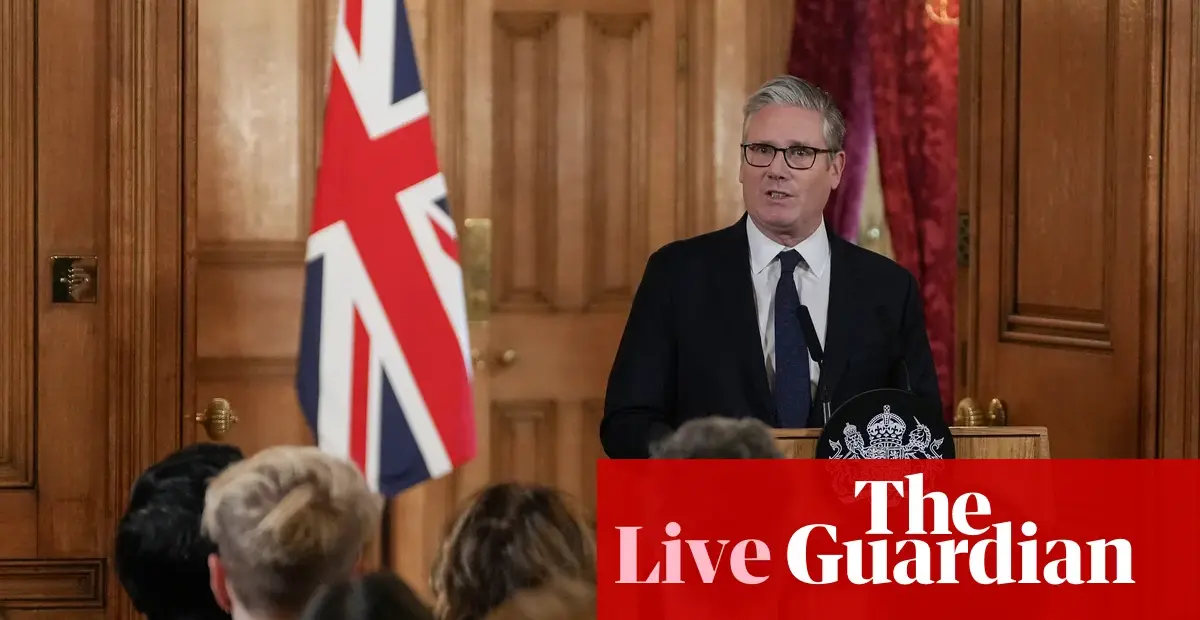
Prime Minister Keir Starmer stated he hopes a social media ban for under-16s will come into force around springtime next year, according to a press conference and interview reported by The Guardian. Starmer said the government can move quickly because legislation already passed gives ministers powers to act using secondary regulation, and he hopes to pass regulation before Christmas. The announcement has drawn mixed reactions: children's charities including the NSPCC and Barnardo's welcomed the move, while the Molly Rose Foundation criticized it as unenforceable and the Green party warned it could isolate disabled and LGBTQIA young people. Campaign groups such as the Open Rights Group, Amnesty International UK, and Big Brother Watch expressed concerns about privacy, digital ID requirements, and the ban not addressing harmful algorithms. Ofcom stated it is ready to enforce the new rules. YouGov polling cited in the article found three-quarters of parents support the ban, but more than half do not think it will be effective.
What’s reported
Starmer said he hopes to pass regulation before Christmas and bring the ban into force in the early part of next year, probably about springtime.
Starmer said the government took powers earlier this year to move at speed, and legislation already passed allows ministers to act using secondary legislation.
YouGov polling showed three-quarters of parents support a social media ban for under-16s, but more than half of parents do not think a ban will be effective.
The Green party stated it welcomes action but warned a blanket ban could leave some young people, particularly disabled and LGBTQIA people, more isolated.
The NSPCC chief executive called the announcement a "watershed moment for child protection."
The Molly Rose Foundation chief executive said the ban is "unenforceable" and will "quickly unravel."
The Open Rights Group, Amnesty International UK, and Big Brother Watch raised concerns about privacy, digital ID, and not addressing root causes of online harms.
Ofcom said it is ready to enforce the new rules and will work closely with the government.
Key figures
Keir Starmer, Prime Minister
Robert Jenrick, Reform UK Treasury spokesperson
Nigel Farage, Reform UK leader (mentioned in context of essay)
Ian Russell, father of Molly Russell
Andy Burrows, chief executive of the Molly Rose Foundation
Chris Sherwood, chief executive of the NSPCC
Lynn Perry, chief executive of Barnardo’s
James Baker, freedom of expression programme manager at the Open Rights Group
Kerry Moscogiuri, chief executive of Amnesty International UK
Jack Coulson, head of advocacy at Big Brother Watch
Ben Shephard and Cat Deeley, ITV This Morning presenters
Sources: The Guardian