


H5 Bird Flu Confirmed on Australian Mainland for First Time

7 reported2 unconfirmed
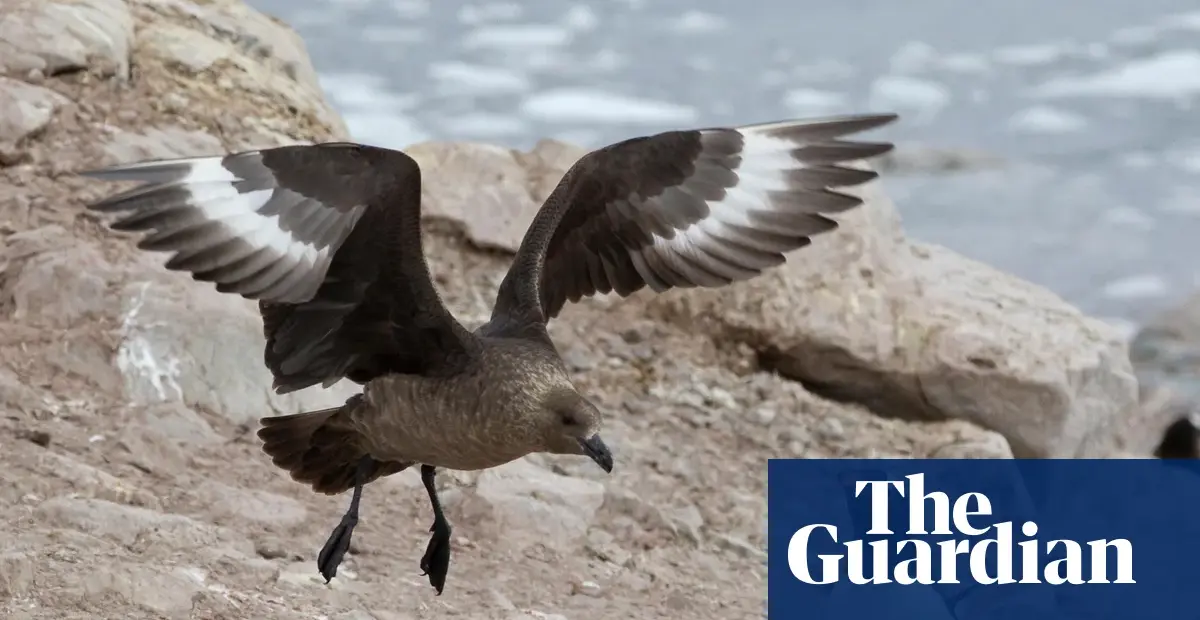
A deadly strain of H5 bird flu has arrived on the Australian mainland, ending the continent’s status as the only region free of the virus. Federal Agriculture Minister Julie Collins confirmed that a brown skua found sick in Western Australia died from the H5N1 virus, and a second bird, a giant petrel found nearby, is also likely infected. The virus, which has killed millions of birds and thousands of marine mammals globally since 2021, was first detected on Australian territory on Heard Island in August 2025. Authorities are now monitoring for further spread among wildlife, with no evidence yet of mass mortality or infection in poultry. The risk to the general public remains low, according to health officials, but native species such as the Tasmanian devil and orange-bellied parrot are considered at high risk. Conservation groups are calling for emergency funding to protect vulnerable wildlife populations.
What’s reported
A brown skua found sick at Cape Le Grand national park in Western Australia on June 14 died from H5N1 bird flu.
A second bird, a giant petrel found in the same area, tested positive at a WA government lab, with confirmation pending at CSIRO.
The virus arrived on Heard Island, an Australian territory about 4,000km southwest of Perth, in August 2025, killing more than 13,000 southern elephant seal pups and hundreds of king penguins.
More than 560 wild bird species and over 100 mammal types have been affected globally, according to Wildlife Health Australia.
From 2003 to early 2026, there were 997 reported human H5 infections globally, with 478 fatalities, per the World Health Organization.
The Australian Centre for Disease Control says bird flu in people is rare and often mild but can cause severe disease or death.
Authorities have developed more than 100 response plans for at-risk animals and important natural sites.
Open questions
Whether the virus has spread further beyond the two birds found in Western Australia.
The full extent of the outbreak and transmission dynamics in the affected area.
Key figures
Julie Collins, federal agriculture minister
Dr Ariful Islam, veterinary epidemiologist at Charles Sturt University
Dr Michelle Wille, avian influenza expert at the University of Melbourne
Dr Matt Mason, University of the Sunshine Coast school of health
Dr Fiona Fraser, Australia’s threatened species commissioner
Jack Gough, chief executive of the Invasive Species Council
Alexia Wellbelove, campaign director at the Australian Marine Conservation Society
Sources: The Guardian