



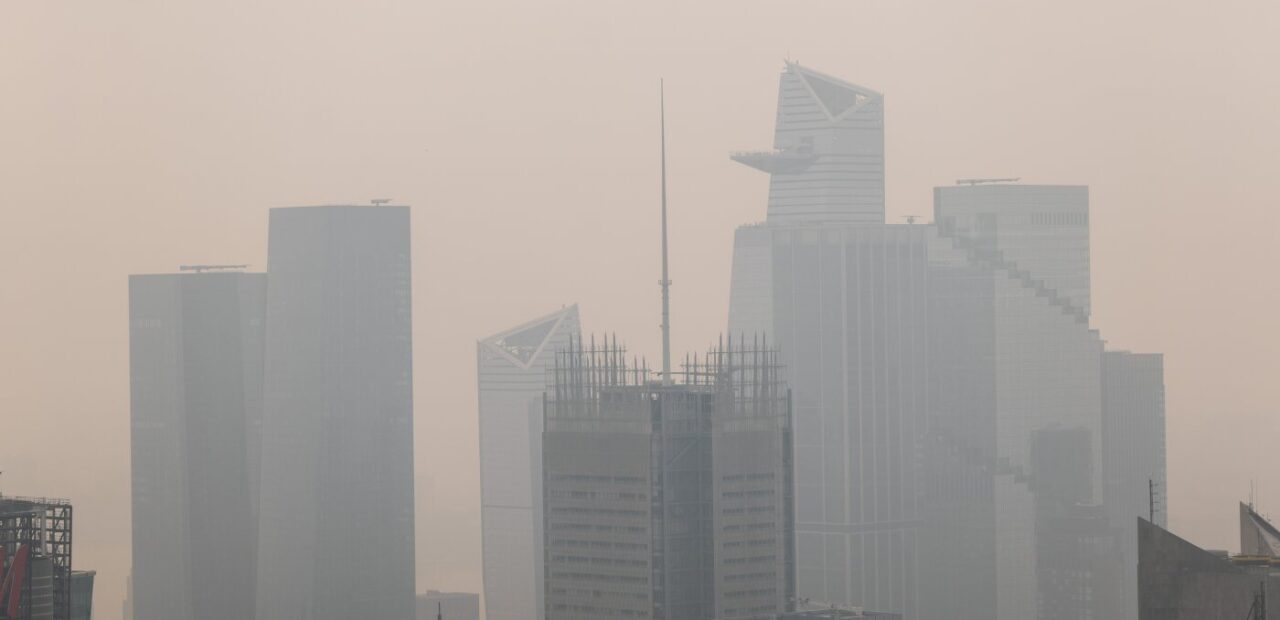
Wildfire smoke spreads across Great Lakes, Northeast, and Mid-Atlantic

14 reported
Heavy smoke from wildfires in Ontario, Canada, and northern Minnesota is blanketing parts of the U.S., reaching the Great Lakes region, New England, and as far south as Maryland, according to a single-source report from NPR. More than 800 wildfires are actively burning in Canada, with over 180 in Ontario alone, as extreme heat and dry conditions fuel the fires. Air quality in some areas is considered “very high risk,” and thousands in Ontario have been forced to evacuate. States including Minnesota, Wisconsin, and Michigan are experiencing some of the worst air quality, while millions in northeastern cities such as Philadelphia, New York City, and Baltimore are also affected. Smoky conditions are expected to last through much of the weekend. Scientists cited in the report blame human-caused climate change for exacerbating dry conditions, and experts warn that the frequency and intensity of such smoke events are increasing. Health officials recommend checking air quality reports, reducing outdoor activity, and wearing N95 masks if going outside is necessary.
What’s reported
Heavy smoke is spreading across the Great Lakes region, New England, and as far south as Maryland.
More than 800 wildfires are actively burning in Canada, with over 180 in Ontario alone.
Extreme heat and dry conditions in Ontario and northern Minnesota fueled the fires earlier in the week.
Air quality in certain Ontario areas is considered “very high risk” by Air Quality Ontario.
Thousands of people in Ontario have been forced to evacuate.
Minnesota, Wisconsin, and Michigan are experiencing some of the worst air quality levels.
Millions in Philadelphia, New York City, and Baltimore are also affected.
Smoky conditions are expected to last through much of the weekend.
Scientists cited in the report blame human-caused climate change for exacerbating dry conditions.
Experts warn that the frequency and intensity of wildfire smoke events are increasing.
Smoke contains tiny particles that can be inhaled deep into lungs and enter the bloodstream.
Health effects include increased risk of heart attacks, heart failure, stroke, respiratory illness, pregnancy complications, and developmental disorders in children.
Air pollution is one of the top causes of premature deaths worldwide, according to a cited expert.
Recommendations include checking air quality reports, using air purifiers, setting up a “cleaner air room,” reducing outdoor activity, and wearing N95 masks.
Key figures
Derek Mallia, professor of atmospheric sciences at the University of Utah
Dan Westervelt, associate research professor at Columbia University’s Lamont-Doherty Earth Observatory
Dr. David Eisenman, professor of medicine at the David Geffen School of Medicine at UCLA and co-director of the Center for Healthy Climate Solutions at UCLA
Sources: NPR