



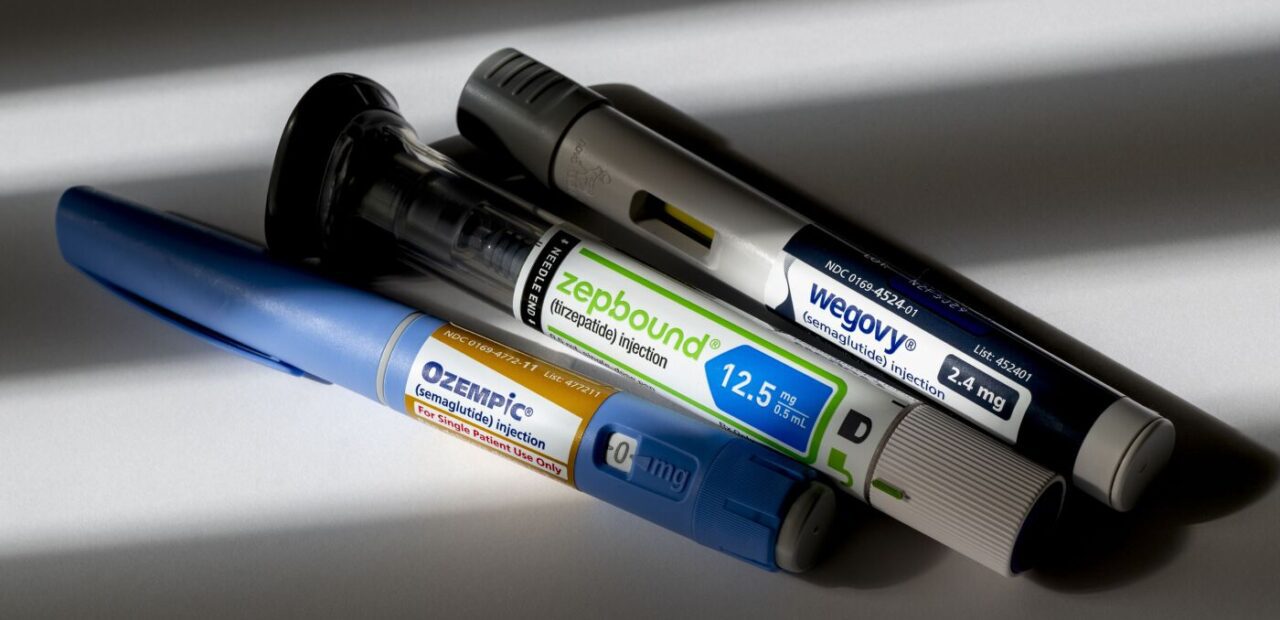
GLP-1 drugs show cancer risk reduction in new studies, researchers investigate mechanisms

7 reported2 unconfirmed
Mounting evidence from several recent studies suggests GLP-1 obesity treatments may also help reduce cancer risk, according to research presented at the American Society of Clinical Oncology meeting last month. The studies are correlative, but appear to show the drugs may reverse carcinogenic risks associated with obesity and have additional anti-inflammatory effects that help suppress tumors. One prominent study tracked medical and prescription records of over 10,000 patients with early-stage cancer and found GLP-1s reduced cancer risk in six out of seven cancers, with statistically significant declines in breast, liver, colorectal, and non-small cell lung cancer. Another analysis matched mammogram images to a prescription database showing women aged 45 to 80 who took GLP-1 drugs were 30% less likely to develop breast cancer. Researchers are now starting new trials to investigate how GLP-1s might influence chronic inflammation and immunosuppression, which could contribute to cancer growth.
What’s reported
GLP-1 drugs were originally developed as diabetes treatments that alter hormonal makeup of the brain and gut, reducing hunger and slowing digestion.
The drugs have since proven useful against obesity, heart disease, sleep apnea, and potentially addiction and cancer.
A study of over 10,000 patients with early-stage cancer found GLP-1s reduced cancer risk in six out of seven cancers; four were statistically significant: breast, liver, colorectal, and non-small cell lung cancer.
For non-small cell lung cancer, progression to Stage IV disease was 22.3% for patients not on a GLP-1 versus 10% for those taking GLP-1s.
Another analysis showed women aged 45 to 80 who took GLP-1 drugs were 30% less likely to develop breast cancer.
Radiologist Elizabeth McDonald at the University of Pennsylvania said the protective effects with GLP-1s appear greater than with other treatments or lifestyle changes, stating “The weight loss alone just didn’t account for the magnitude of the observed effect.”
Oncologist Coral Omene at Rutgers Cancer Institute plans to follow 40 breast cancer patients starting tirzepatide, measuring blood samples and tracking cancer markers, and biopsying abdominal fat cells every six months.
Open questions
Whether GLP-1s are effective treatments for cancer, as the data is correlative and not conclusive.
How exactly GLP-1s reduce cancer risk, though reduced inflammation is suspected.
Key figures
Dr. Julie Gralow, chief medical officer of ASCO
Elizabeth McDonald, radiologist at the University of Pennsylvania
Coral Omene, oncologist at Rutgers Cancer Institute
Sources: NPR