


US and Iran Sign Preliminary Peace Deal, 60-Day Negotiations Begin

8 verified6 unconfirmed
President Donald Trump signed a memorandum of understanding with Iran on Wednesday, agreeing to end the three-and-a-half-month war and reopen the Strait of Hormuz to commercial shipping. The United States lifted its naval blockade on Iranian ports, and Iran committed to allowing oil tankers safe passage through the vital waterway for at least 60 days. The agreement creates a 60-day window for further negotiations on outstanding issues, including a proposed $300 billion fund for Iran’s reconstruction. However, peace talks scheduled for Friday in Switzerland were abruptly called off, raising questions about the deal’s durability. Israel, which is not a party to the agreement, has continued military operations in southern Lebanon and signaled it will not be bound by the ceasefire. The war has caused major economic disruption globally, pushing up fuel prices and inflation, though some markets have responded with relief to the preliminary deal. The next phase of negotiations is expected to address the status of Israeli forces in Lebanon, Iran’s nuclear program, and the lifting of international sanctions.
What’s verified
President Donald Trump signed a memorandum of understanding with Iran to end the war that began in late February 2026.
The United States lifted its naval blockade on Iranian ports and coastal areas.
The agreement promises to reopen the Strait of Hormuz to commercial vessels, which transited about 20% of the world’s oil before the war.
A 60-day window for further negotiations is established, extendable by mutual agreement.
Peace talks in Switzerland were called off abruptly on Friday, with no official explanation provided.
The memorandum includes a pledge to create a fund of at least $300 billion for Iran’s reconstruction and economic development, funded by regional partners.
Israel is not a party to the agreement and has continued military operations in Lebanon, including bombardment and ground incursions.
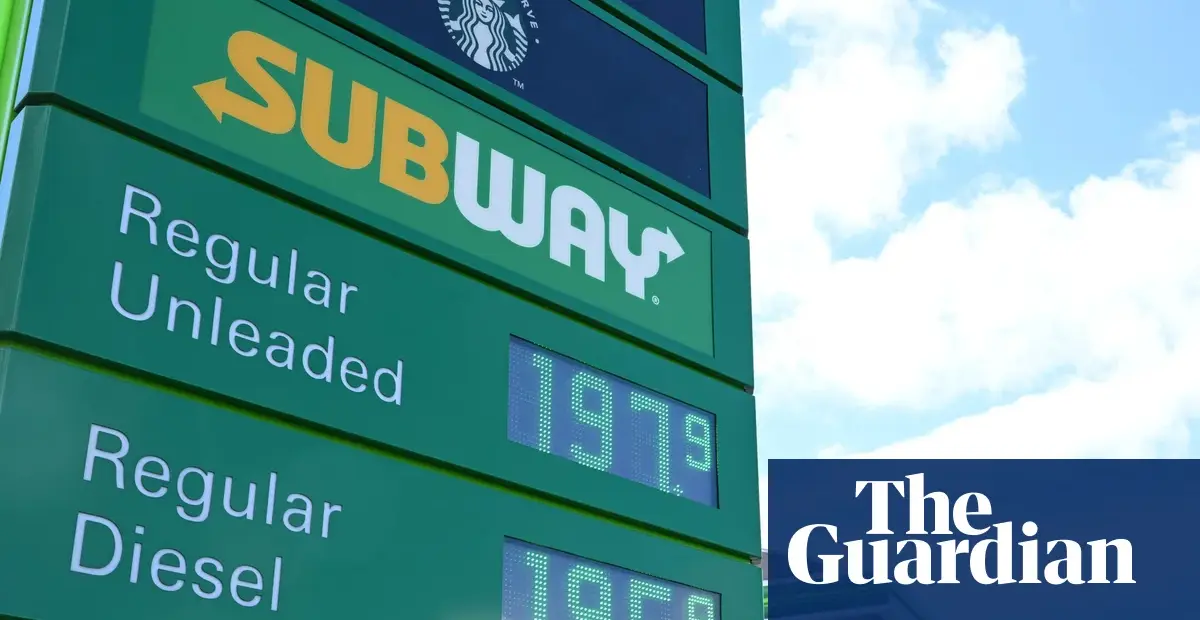
The war has caused significant economic disruption, including soaring gasoline prices, rising energy costs, and increased inflation globally.
Not yet confirmed
UK fuel prices fell by specific amounts (petrol down 4.6p per litre, diesel down 9.3p) from late May to mid-June, according to a single report.
The price of synthetic motor oil base stock has more than tripled since the war began, with the largest global production facility (Shell Pearl GTL in Qatar) damaged and half its output offline for at least a year, per a single report.
Iran’s national security council will suspend tolls paid by ships for 60 days but will require ships to request permission through a newly established Persian Gulf Strait Authority, according to one source.
The exact reason for the cancellation of peace talks in Switzerland was not disclosed by any source.
Whether U.S. tariffs on auto parts remain in place and are contributing to higher repair costs is mentioned in a single report.
The extent of Iranian-placed mines in the Strait of Hormuz and the timeline for clearance are not specified across sources.
Key figures
Donald Trump, President of the United States
JD Vance, Vice President of the United States
Benjamin Netanyahu, Prime Minister of Israel
Abbas Araghchi, Iranian Foreign Minister
Itamar Ben-Gvir, Israeli National Security Minister
Mohsen Rezaei, military adviser to Iran’s Supreme Leader
Luke Bosdet, AA motoring group spokesperson
Amanda Hay, analyst at Independent Commodity Intelligence Services
Holly Alfano, CEO of the Independent Lubricant Manufacturers Association
Ken Murphy, CEO of Tesco
Sources: The Guardian, NPR