

US and Iran reportedly near peace deal to reopen Strait of Hormuz

The Story
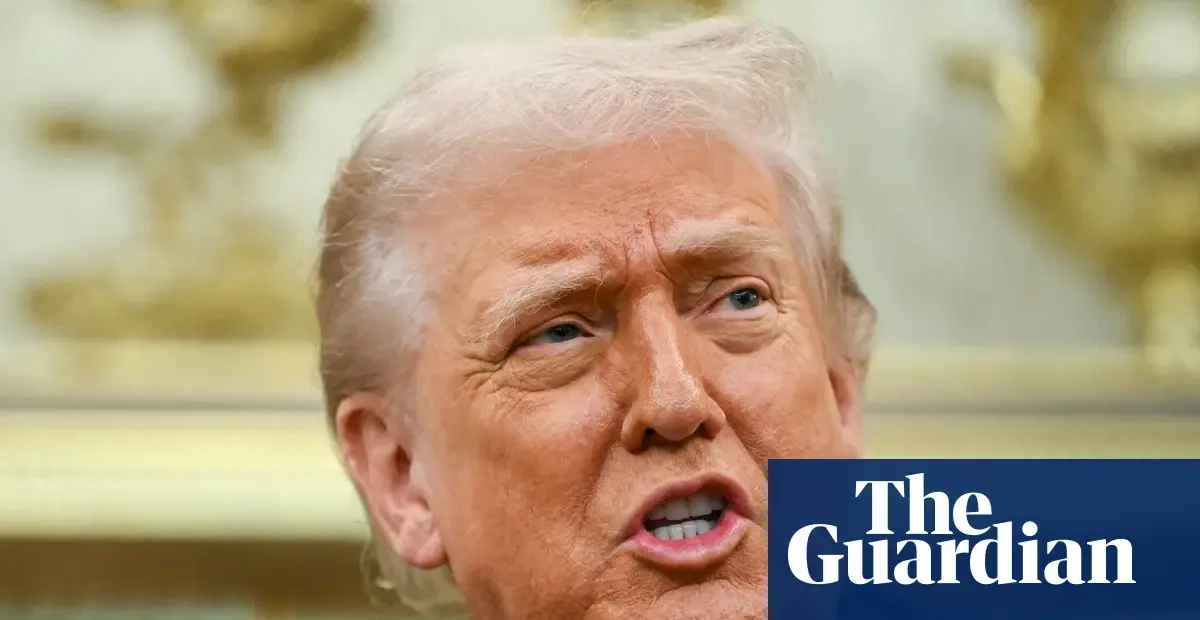
After weeks of stop-start negotiations, the United States and Iran are reportedly on the verge of a deal to end their conflict, with the most immediate consequence being the reopening of the Strait of Hormuz. The closure of the waterway, which carried 20% of the world’s crude oil supplies before the war began, has caused gasoline prices to soar and led to a shortage of fertilizer, threatening food supplies and prices. According to the report, a memorandum of understanding reached with the help of Pakistani and Qatari mediators would extend the current ceasefire for 60 days, during which negotiations would address the dispute over Iran’s nuclear program. The report notes that this represents a significant scaling back of President Donald Trump’s initial maximalist goals, which included regime change and unconditional surrender. Some commentators have described the outcome as a defeat, with foreign policy fellow Robert Kagan writing in The Atlantic that “Trump’s endgame is surrender.” Trump has shifted his primary goal to preventing Iran from obtaining a nuclear weapon, though Iran is still believed to possess about 970lb of highly enriched uranium. Critics point out that Iran was only able to accumulate that stockpile after Trump abandoned the 2015 Joint Comprehensive Plan of Action (JCPOA) during his first presidency.
Key Facts
- The US and Iran are reportedly on the verge of a deal to end fighting and reopen the Strait of Hormuz.
- The strait carried 20% of the world’s crude oil supplies before the war, and its closure caused gasoline price increases and fertilizer shortages.
- A reported memorandum of understanding, mediated by Pakistan and Qatar, would extend the current ceasefire for 60 days for nuclear negotiations.
- Trump’s initial goals included regime change and unconditional surrender; the report states these maximalist aims have shrunk.
- Robert Kagan, writing in The Atlantic, stated: “Trump’s endgame is surrender.”
- Trump’s shifted goal is preventing Iran from obtaining a nuclear weapon, but Iran still possesses about 970lb of highly enriched uranium.
- Critics argue Iran’s stockpile resulted from Trump’s 2018 abandonment of the JCPOA.
- Republican senators Lindsey Graham, Ted Cruz, Roger Wicker, and former officials like Mike Pompeo have warned against a deal resembling the JCPOA.
Conflicting Reports
No conflicting reports identified in the source article.
Still Unclear
No open questions identified in the source article.
Misconceptions
No widespread misconceptions addressed in the source article.
Key Figures
- Donald Trump, US president
- Robert Kagan, foreign policy fellow at the Brookings Institution
- Sina Toossi, analyst with the Center for International Policy
- Mojtaba Khamenei, supreme leader of Iran (succeeded his father)
- Robert Litwak, international relations professor, George Washington University
- Vali Nasr, international relations professor, Johns Hopkins University
- Senators Lindsey Graham, Ted Cruz, Roger Wicker
- Mike Pompeo, former CIA director and secretary of state
- Ayatollah Ali Khamenei, former supreme leader (deceased)
Sources: The Guardian