



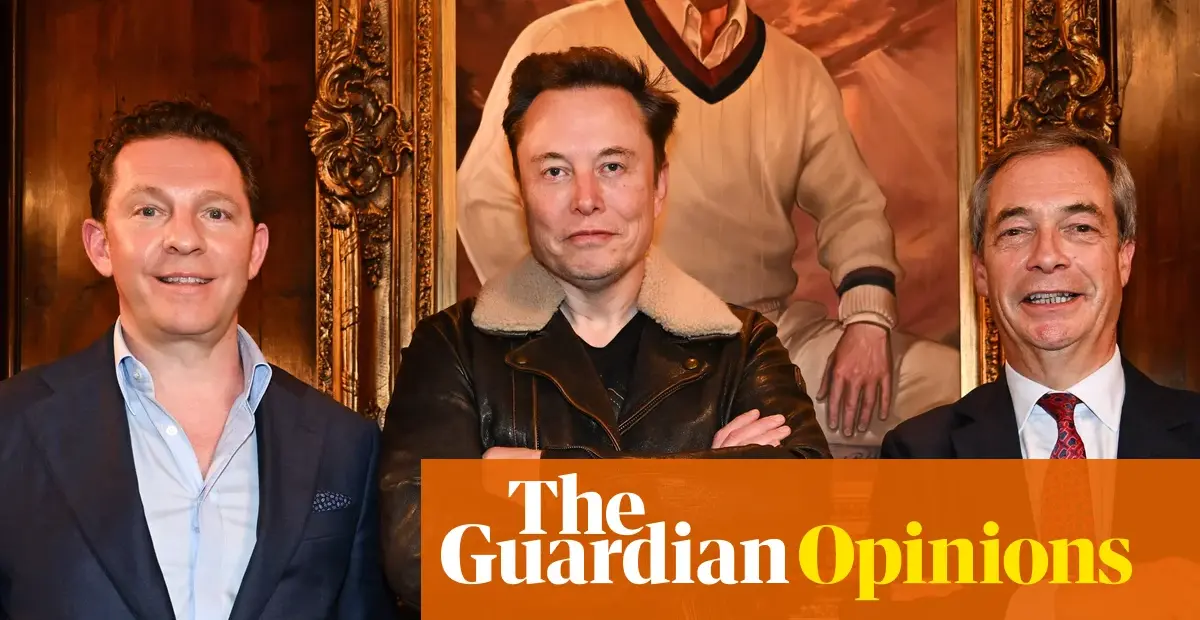
UK political donation cap proposed to limit wealthy influence

7 reported1 unconfirmed
A report from the Institute for Public Policy Research (IPPR) has called for a £100,000 cap on individual political donations in the UK, to be lowered to £10,000 over the next decade, as Labour’s representation of the people bill returns to the House of Commons. The bill, described as among Prime Minister Keir Starmer’s final acts, already prevents foreign companies from donating unless they have UK revenues and requires parties to scrutinize donors more rigorously. Labour MPs have tabled amendments to strengthen the bill, including a permanent ban on crypto donations, more scrutiny of new party financing, and cutting overall campaign spending limits by about a third. Backbencher Stella Creasy has proposed a £100,000 annual ceiling on individual donations, though the article notes this amendment appears to have less support due to fears it would cause party funding to collapse. The IPPR report linked the cap and other changes, including compulsory voting, to addressing a sense of disconnection from politics. The article states that in 2015, only 1% of private donations came from individuals or companies giving £1m or more, rising to more than a third by 2024, according to Transparency International.
What’s reported
The IPPR report called for a £100,000 cap on individual donations, to be lowered to £10,000 over the next decade.
Labour’s representation of the people bill prevents foreign companies from donating unless they have UK revenues and requires more rigorous donor scrutiny.
Labour MPs have tabled amendments including a permanent ban on crypto donations, more scrutiny of new party financing, and cutting campaign spending limits by about a third.
Stella Creasy proposed a £100,000 annual ceiling on individual donations.
Transparency International stated that in 2015, 1% of private donations came from individuals or companies giving £1m or more; by 2024, that rose to more than a third.
Transparency International cited polling showing 84% of the public believe wealthy individuals use donations to further personal interests, and more than two-thirds support a cap of £50,000 or less or an outright ban.
The IPPR noted France has a €7,500 (£6,390) cap on donations and parties are part-funded by the state; Germany also has state funding.
Open questions
The article does not specify how the new MP for Makerfield, Andy Burnham, will vote on the bill, though it notes he has signaled interest in political reform.
Key figures
Nigel Farage, Reform UK figure
Rachel Reeves, chancellor
Keir Starmer, prime minister
Andy Burnham, MP for Makerfield
Rupert Lowe, Restore Britain MP
Elon Musk, tech billionaire
Liam Byrne, business and trade select committee chair
Yuan Yang, Labour backbencher and former Financial Times journalist
Anneliese Dodds, former development minister
Stella Creasy, campaigning backbencher
Lord Alli, Labour donor
Institute for Public Policy Research (IPPR)
Transparency International
Sources: The Guardian