


U.S.-Iran MOU Ends Conflict But Leaves Nuclear Details for Later Negotiations

6 verified4 unconfirmed
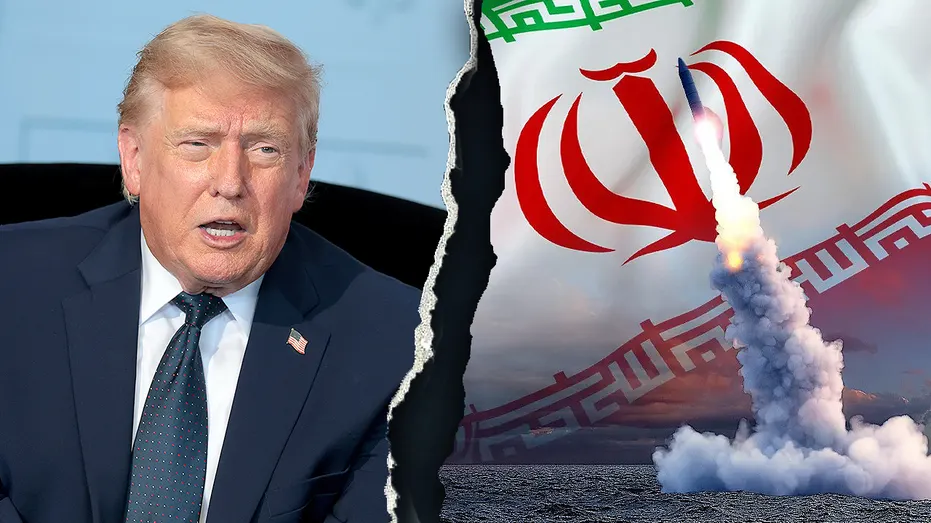
A new memorandum of understanding between the United States and Iran ends active hostilities and sets a 60-day timeline for negotiating a final agreement, though key details on Iran’s nuclear program remain unresolved. The agreement includes immediate economic relief for Iran, including export waivers for its oil, while Iran has committed to allowing vessels through the Strait of Hormuz free of charge for 60 days. The MOU outlines that the fate of Iran’s enriched uranium stockpile will be determined through future talks, with on-site downblending under IAEA supervision listed as the minimum acceptable method. Nuclear experts and lawmakers from both parties have raised concerns about whether the terms provide sufficient verification and safeguards. The agreement has drawn sharp criticism from some Republican senators and conservative commentators who argue it gives too much to Iran without securing enough concessions. Supporters of the deal describe it as a necessary compromise that avoids the costs of continued war, including severe economic disruption from the Strait of Hormuz blockade.
What’s verified
The U.S. and Iran signed a memorandum of understanding (MOU) that ends active conflict and establishes a 60-day period for negotiating a final deal.
The MOU includes immediate U.S. export waivers allowing Iran to sell oil, and a commitment to lift all types of economic sanctions if a final nuclear agreement is reached.
Iran’s enriched uranium stockpile will be addressed in future talks, with IAEA-supervised downblending as the minimum option.
The agreement requires Iran to allow free passage through the Strait of Hormuz for 60 days; after that, Iran may impose fees.
Critics from both parties in Congress have called the deal a blunder or warned that Iran retains too much control over its nuclear material.
The war began with U.S. strikes on Iran in early 2026 and ended with a ceasefire that leaves Iran’s political leadership intact.
Not yet confirmed
The MOU reportedly includes a fund of at least $300 billion for Iranian reconstruction and development, a figure mentioned by only one source.
The agreement’s language on nuclear concessions is described as vague, with Vice President JD Vance suggesting unwritten “gentleman’s agreements,” according to one source.
A single source reports that Iran’s new supreme leader is Mojtaba Khamenei, son of the previous leader, and represents a generational shift to a younger, bolder leadership.
It is unclear whether IAEA inspectors currently have adequate access to account for Iran’s entire enriched uranium stockpile, as one source cites a recent IAEA report indicating limited visibility.
Key figures
President Donald Trump (U.S.)
Vice President JD Vance (U.S.)
Sen. Lisa Murkowski (R-AK)
Sen. Josh Hawley (R-MO)
Mark Levin (conservative commentator)
Mojtaba Khamenei (Iran’s new supreme leader, per one source)
Narges Bajoghli (Iran expert)
Chuck DeVore (nuclear policy expert)
Andrea Stricker (nonproliferation analyst)
Sources: foxnews.com, vox.com, reason.com