


Browning Lakes Linked to Shifts in Fish Populations, Study Finds

7 reported
A new study reports that freshwater lakes across North America and Europe are becoming browner, a phenomenon called freshwater browning, which is reducing underwater visibility and reshaping fish populations. The research, which combined a review of past studies with new analyses, found that in browner waters, fish often grow more slowly, and this decreased growth rate appears to reduce population sizes. The study examined fish communities in 303 Canadian lakes and data on eight economically important fish species in 871 lakes across North America and Europe. Results showed that browning was associated with smaller populations of lake trout, lake whitefish, yellow perch, largemouth bass, and smallmouth bass, while brook trout abundance was not affected. In contrast, browning was linked to larger populations of northern pike and walleye, which are better adapted to low-visibility conditions. The authors suggest that anglers in browner lakes may consider using vibrating or scented lures to appeal to the senses of fish that are likely present.
What’s reported
Freshwater browning is driven by factors including climate change and reduced acidic emissions, which increase carbon compounds in water.
Higher carbon levels stain water brown, similar to tea leaves, reducing underwater visibility.
In browner waters, fish often grow more slowly, which appears to reduce population sizes.
In 303 Canadian lakes, fish species with larger eyes were more common in darker water.
In 871 lakes across North America and Europe, browning was associated with smaller populations of lake trout, lake whitefish, yellow perch, largemouth bass, and smallmouth bass.
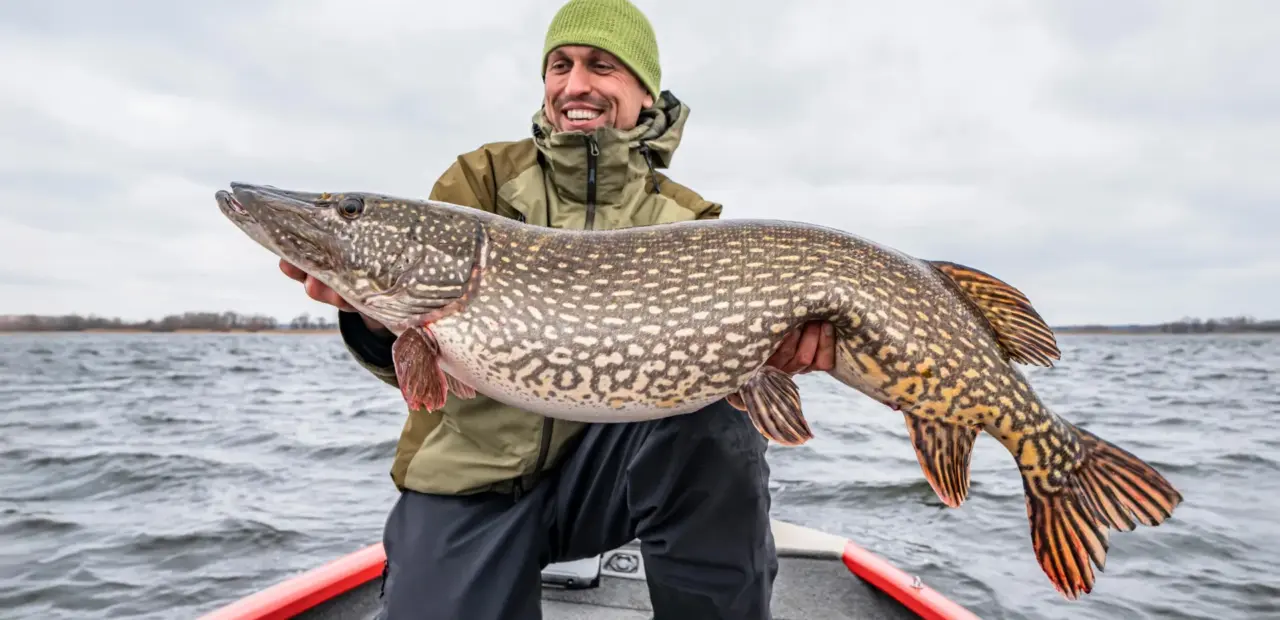
Browning was associated with larger populations of northern pike and walleye.
Walleye have a specialized retina for seeing in browner waters; pike have a well-developed lateral-line sensory system.
Key figures
Allison M. Roth (co-author, The Conversation)
Irene Gregory-Eaves (co-author, The Conversation)
Sources: ScienceDaily