


Trump and Iran Remain at Impasse Over Peace Deal and Strait of Hormuz

The Story
President Donald Trump and Iranian leaders have yet to finalize a deal to end a three-month war that has closed the Strait of Hormuz and driven global energy prices up. Trump rejected Iran’s counterproposal on Sunday, calling it “totally unacceptable,” while Iranian officials accused Washington of stalling through excessive demands. A ceasefire that began in early April remains in place but fragile, with both sides accusing each other of violations. Oil markets have seesawed on hopes and setbacks: Brent crude fell 1.8% on Friday amid signs of a possible deal but rebounded Monday as negotiations stalled. Mediation efforts by Qatar and China have not produced a breakthrough, and Trump’s meeting with Chinese President Xi Jinping later this week is expected to address the crisis. Defense Secretary Pete Hegseth said the U.S. is ready to resume attacks if a deal cannot be reached, while Iran’s military warned of “surprising options” in the event of further hostilities.
Key Facts
- Trump called Iran’s counterproposal “totally unacceptable” in a Truth Social post on Sunday, while an Iranian senior official called U.S. demands “excessive.”
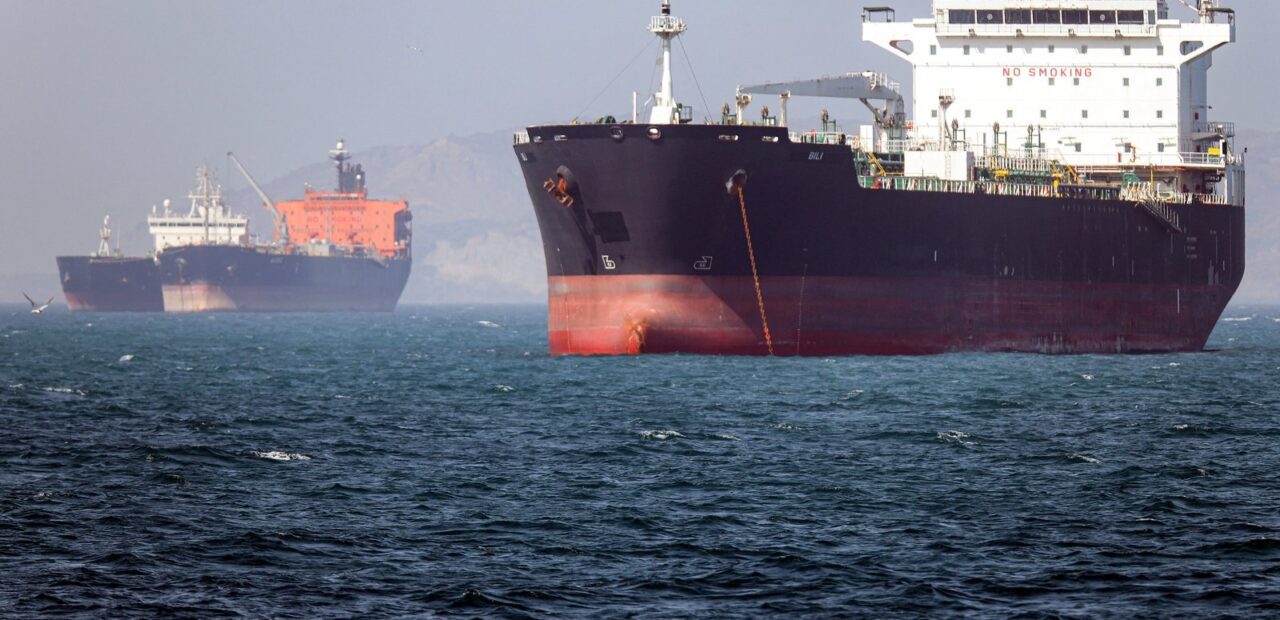
- The war has closed the Strait of Hormuz, a key passage for about 20% of the world’s oil, and both sides have tied its reopening to conditions.
- A ceasefire has been in place since early April but is described as shaky, with continued strikes reported by both sides.
- Oil prices have fluctuated: West Texas Intermediate rose 4.96% to $100.3 per barrel on Monday, while Brent crude fell 1.8% on Friday to about $92 per barrel.
- Trump demanded that Iran never have a nuclear weapon, that the Strait of Hormuz be reopened for unrestricted shipping, and that any mines be destroyed.
- Iran has demanded an end to sanctions, release of frozen assets, and that the U.S. end its naval blockade of Iranian ports.
Conflicting Reports
- On the status of nuclear negotiations: CNBC reports that Iran rejected U.S. demands on its nuclear program and offered to dilute some enriched uranium and transfer the rest to a third country, with a return provision. NBC News, quoting an Iranian foreign ministry spokesperson, states that “nuclear issues are not being discussed in detail at this stage and the focus is on ending the war.”
- On whether Trump has rejected a deal or delayed a decision: CNBC reports that Trump rejected Iran’s counterproposal as “totally unacceptable,” while NBC News reports that Trump has yet to make a final determination on a deal and that his Situation Room meeting ended without a statement.
Still Unclear
- Israeli Prime Minister Benjamin Netanyahu’s comments that the war is not over because “more work to be done” — single-source claim from CNBC.
- Iran’s new supreme leader, Mojtaba Khamenei, issued “new and decisive directives” for military operations — single-source claim from CNBC.
- A Qatari liquefied natural gas tanker crossed the Strait of Hormuz on Sunday with Iran’s approval — single-source claim from CNBC.
- U.S. and Iranian negotiators agreed to terms of a truce in Doha three days ago but both sides have delayed finalizing it, according to a senior Arab official cited by NBC News.
- Iran’s semiofficial news agency Tasnim reported that changes were made to the draft text of a possible deal in recent days — single-source claim from NBC News.
Misconceptions
No widespread misconceptions addressed in the sources.
Key Figures
- President Donald Trump (United States)
- Iranian President Masoud Pezeshkian (Iran)
- Iranian Foreign Ministry spokesperson Esmail Baghaei (Iran)
- Senior Iranian official Mohsen Rezaei (Iran)
- Israeli Prime Minister Benjamin Netanyahu (Israel)
- U.S. Secretary of State Marco Rubio (United States)
- U.S. Defense Secretary Pete Hegseth (United States)
- Chinese President Xi Jinping (China)
- Iranian Army spokesperson Brig. Gen. Mohammad Akraminia (Iran)
Sources: CNBC, NBC News