

U.S. and Iran Plan Talks After Hormuz Clashes, Trump Says

7 verified5 unconfirmed
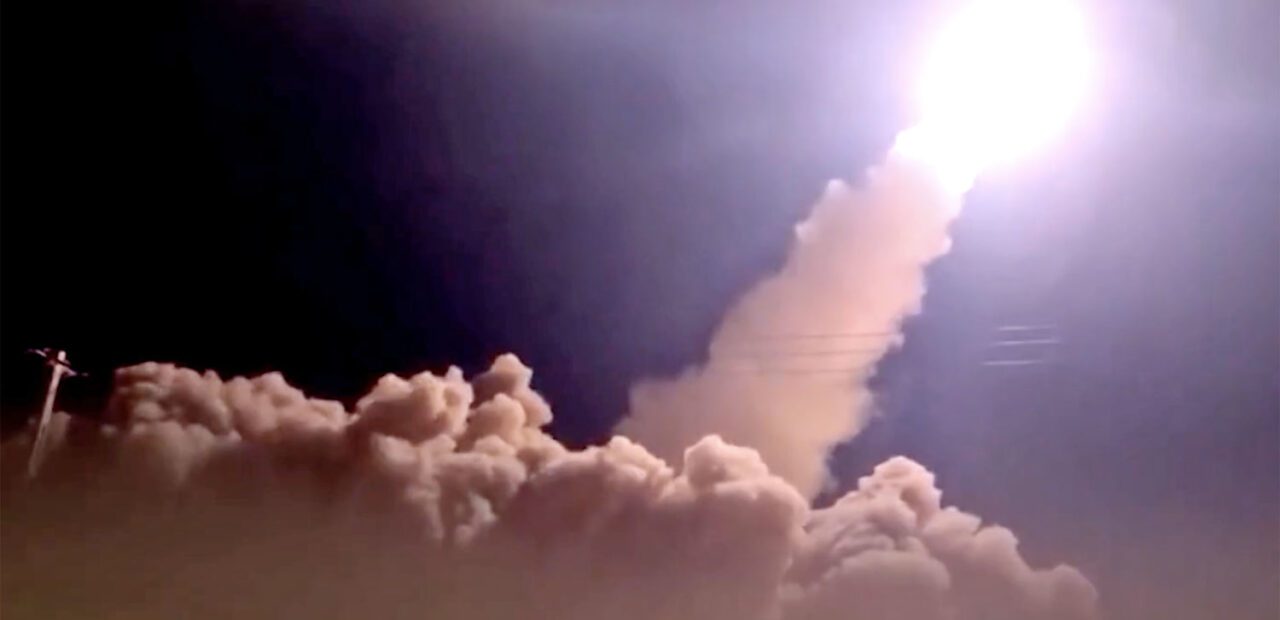
President Donald Trump announced on social media Monday that Iran had requested a meeting, with technical teams from both sides set to resume talks in Doha, Qatar, on Tuesday. The announcement followed a weekend of escalating tit-for-tat strikes between the United States and Iran over control of the Strait of Hormuz, which threatened to unravel a fragile ceasefire. Iran targeted commercial vessels in the waterway, the U.S. responded with strikes against Iranian coastal military targets, and Iran subsequently launched ballistic missiles and drones at Kuwait and Bahrain. The clashes center on the implementation of a 14-point memorandum of understanding signed June 17, which requires Iran to apply its "best efforts for the safe passage of commercial vessels" for 60 days while broader negotiations proceed. Iran’s deputy foreign minister denied that technical talks were scheduled, while Iranian President Masoud Pezeshkian said he expected the release of $6 billion in frozen Iranian assets held in Qatar. Analysts described the flare-up as part of an expected pattern of leverage-building as both sides negotiate core disputes including Iran’s nuclear program.
What’s verified
President Trump announced on Truth Social that Iran requested a meeting, with talks set for Tuesday in Doha, Qatar.
Over the weekend, Iran attacked commercial vessels in the Strait of Hormuz, the U.S. struck Iranian coastal military targets, and Iran then hit Kuwait and Bahrain with ballistic missiles and drones.
The clashes stem from a dispute over control of the Strait of Hormuz, which Iran closed after U.S.-Israeli attacks on Feb. 28, causing global energy price surges.
A 14-point memorandum of understanding signed June 17 requires Iran to facilitate safe passage through the strait for 60 days while negotiations continue.
Iran’s deputy foreign minister, Kazem Gharibabadi, denied that technical talks were scheduled in Doha.
Iranian President Masoud Pezeshkian said the interim deal would see $6 billion in frozen Iranian assets released by Qatar.
The MoU also requires a ceasefire "on all fronts, including in Lebanon."
Not yet confirmed
White House press secretary said special envoy Steve Witkoff and Jared Kushner would fly to Doha for talks; this detail appears in only one source.
Iranian Foreign Minister Abbas Araghchi stated shipping through the strait would return to prewar capacity within 30 days under Iranian management; only one source reported this.
One source cited analysis that 48 vessels passed through the Strait of Hormuz between June 26-28, compared to a pre-war average of 130 daily.
The role of a secret annex to a Lebanon-Israel deal was mentioned in only one source.
Details of a U.N.-backed route near Oman and its role in triggering the latest escalation came from one source.
Key figures
President Donald Trump (United States)
Kazem Gharibabadi (Iranian deputy foreign minister and senior negotiator)
Masoud Pezeshkian (Iranian President)
Sanam Vakil (director, Middle East and North Africa Program at Chatham House)
Danny Citrinowicz (former head of Iran branch, Israel Defense Intelligence)
Abbas Araghchi (Iranian Foreign Minister)
Steve Witkoff (U.S. special envoy)
Jared Kushner (Trump’s son-in-law)
Sources: NBC News, csmonitor.com