



Supreme Court rules geofence warrants require search warrant for location data

9 reported2 unconfirmed
The U.S. Supreme Court ruled 6-3 on Monday that individuals have a reasonable expectation of privacy in their cell-phone location information, limiting law enforcement use of geofence search warrants. The court determined that authorities must obtain a search warrant when requesting historical geofence location data from tech companies like Google, as users are not willingly sharing their location data simply by using services. The ruling centered on the case Chatrie v. United States, where Okello Chatrie’s lawyers argued geofence warrants allow investigators to “search first and develop suspicions later.” The court stopped short of banning geofence warrants entirely, allowing police to narrow data requests when seeking a warrant. The decision does not prevent law enforcement from obtaining historical cellphone location data, but requires probable cause for such requests. The ruling was not expected to change Chatrie’s sentence, as previous courts found the evidence was collected in good faith. The Supreme Court left it to the Appeals Court to decide whether the search warrant in Chatrie’s case showed probable cause.
What’s reported
The Supreme Court ruled 6-3 that individuals have a reasonable expectation of privacy in their cell-phone location information.
Authorities must obtain a search warrant when asking tech companies for geofence location data, including historical data.
The court argued that users are not willingly sharing location data by simply using services, so the “third-party doctrine” does not apply.
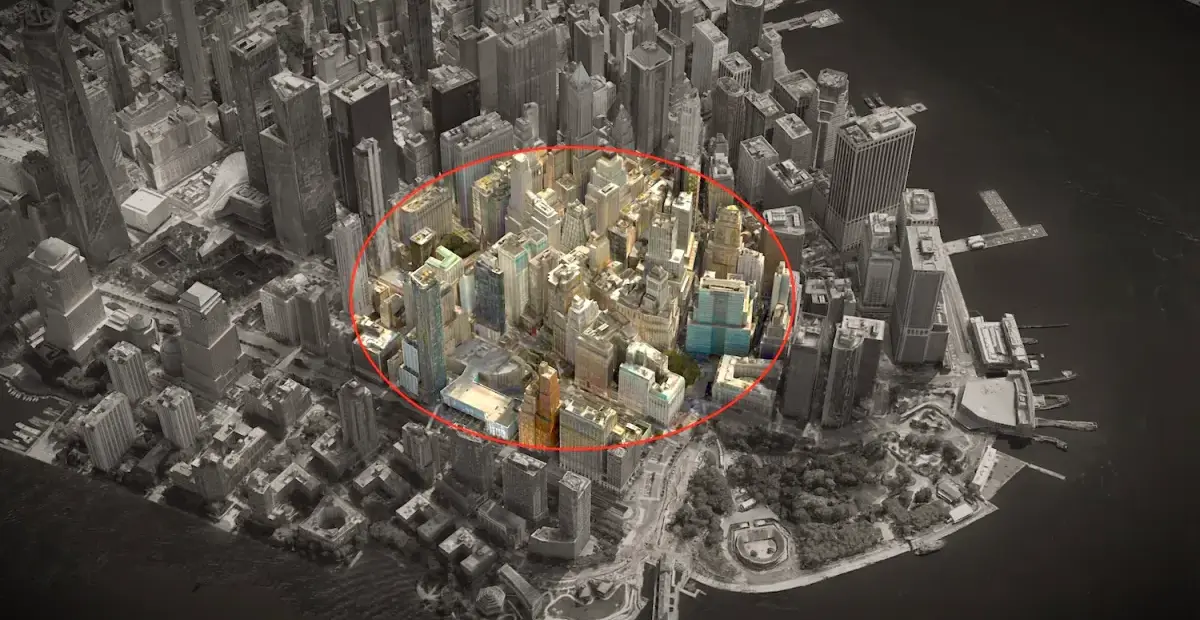
Geofence warrants allow law enforcement to force tech companies to hand over location data of users at a particular place and time.
Critics argued these “reverse” search warrants are unconstitutional because they include innocent people’s data.
The court stopped short of banning geofence warrants, allowing police to narrow data requests when seeking a warrant.
The decision centers on the case Chatrie v. United States, involving bank robbery evidence from a geofence warrant.
The ruling was not expected to change Chatrie’s sentence, as previous courts ruled the evidence was collected in good faith.
Some companies like Google have begun storing location data on devices rather than servers to avoid handing over data.
Open questions
How the ruling will affect past court cases.
Whether the Appeals Court will find the search warrant in Chatrie’s case showed probable cause.
Key figures
Okello Chatrie (defendant in the case Chatrie v. United States)
U.S. Supreme Court (ruling body)
Department of Justice (spokesperson did not respond to comment)
Chatrie’s attorneys (did not respond to comment)
Sources: TechCrunch