


Study reveals flexible communication across animal species

8 reported
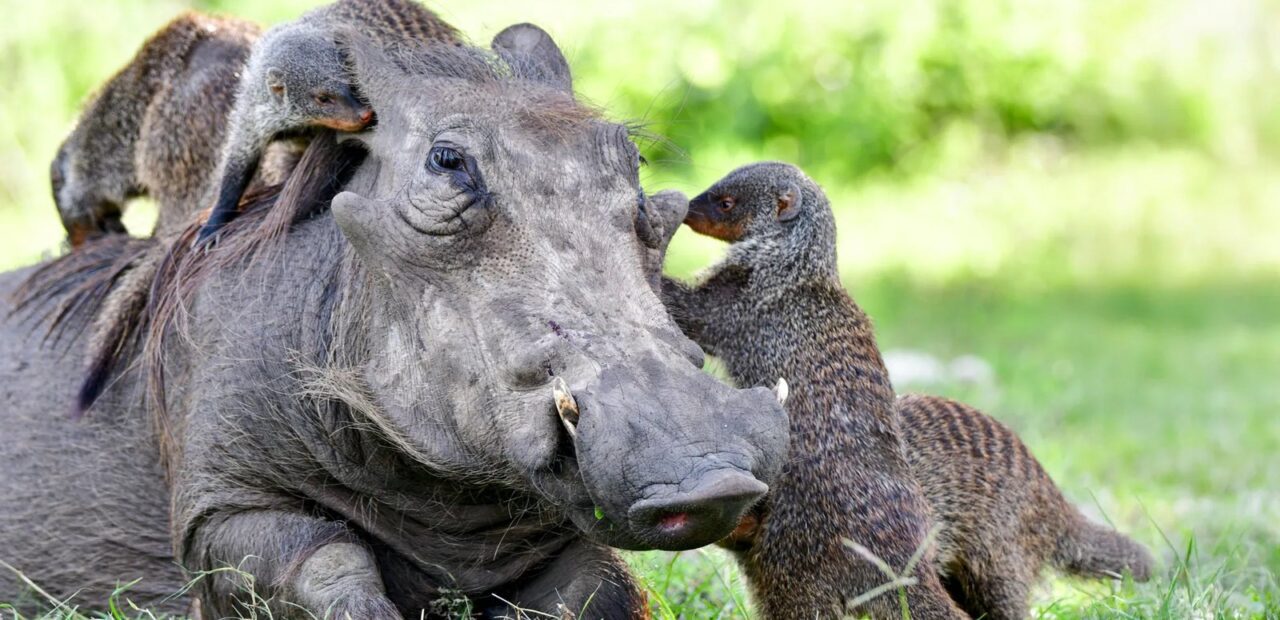
A review published in Animal Behaviour by an international team of researchers examined how animals use calls, body movements, visual displays, and other signals to coordinate cooperative relationships across species. The study, led by Dr. Katie Dunkley of the University of Oxford and senior author Dr. van der Wal of the University of Cape Town, found that interspecies communication is flexible, evolved, and more important in nature than previously recognized. Examples include greater honeyguide birds using specialized calls to lead humans to bees' nests, cleaner fish and shrimp displaying bright colors and movements to signal their role to predatory fish, and warthogs using body postures to invite cleaning. The review grew out of an interdisciplinary workshop on interspecies cooperation held in Cambridge in July 2023 and includes 58 authors from fields such as anthropology, biology, and linguistics. The researchers emphasized that signals can vary by location and ecological context, and that some communication may begin as simple cues that become specialized over generations.
What’s reported
The review was published in Animal Behaviour under the title "The ecology and evolution of cues and signals in animal interspecies cooperation."
Lead author Dr. Katie Dunkley is a researcher at the University of Oxford.
Senior author Dr. van der Wal is affiliated with UCT's FitzPatrick Institute of African Ornithology.
The paper includes 58 authors from multiple fields including anthropology, biology, and linguistics.
The review grew out of an interdisciplinary workshop on interspecies cooperation held in Cambridge in July 2023.
Examples cited include greater honeyguide birds, cleaner fish (Labroides dimidiatus) and shrimp (Urocaridella sp.), lycaenid butterfly larvae, warthogs, and fishermen working with dolphins.
Some signals remain consistent (e.g., fish headstands or tail stands), while others vary by region (e.g., dolphin behaviors interpreted by fishermen).
Signals may evolve from simple cues or from behaviors originally serving other purposes like offspring care or conflict resolution.
Key figures
Dr. Katie Dunkley, lead author and researcher at the University of Oxford
Dr. van der Wal, senior author and researcher at UCT's FitzPatrick Institute of African Ornithology
Sources: ScienceDaily