

Study links human eye evolution to ancient one-eyed ancestor

6 reported
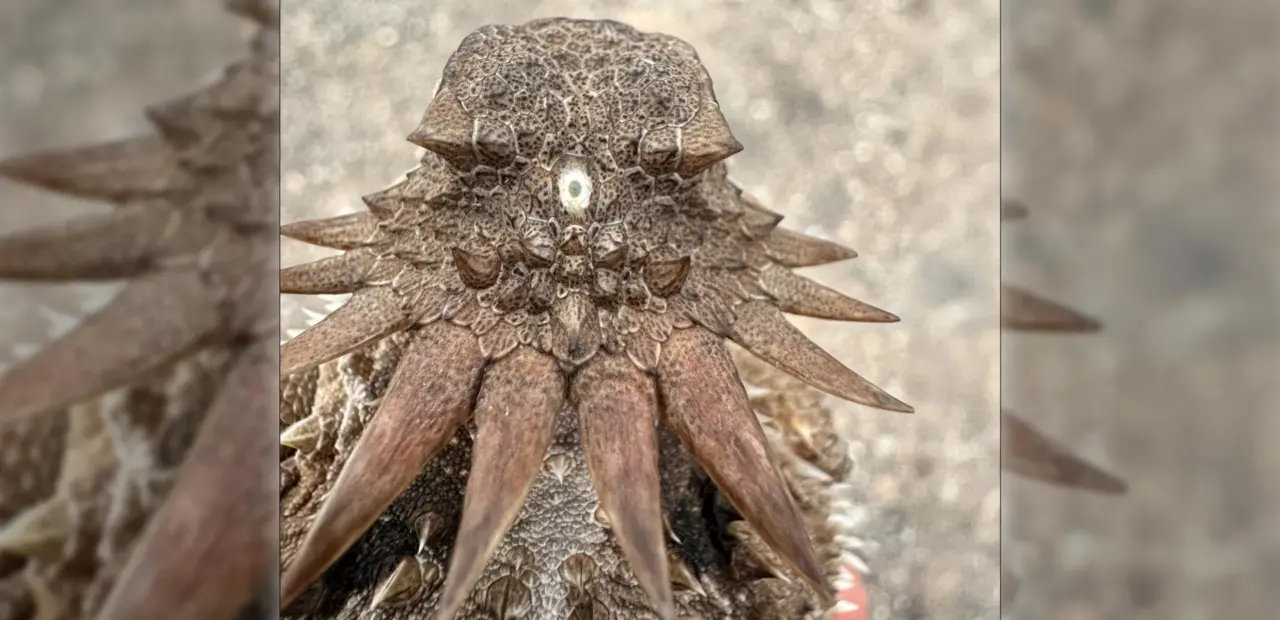
Researchers from Lund University and the University of Sussex have proposed that the earliest ancestor of vertebrates passed through a cyclops-like stage nearly 600 million years ago. According to the study, this tiny, worm-like creature lived in the ocean and had a single central eye that later contributed to the development of paired eyes in vertebrates. The researchers also suggest that part of that ancient visual system survives today as the pineal gland, which helps regulate sleep. The findings are based on a broad comparison of light-detecting cells across animal groups. The study was published in Current Biology.
What’s reported
The proposed ancestor was a small, worm-like creature that lived in the ocean nearly 600 million years ago and filtered plankton for food.
Earlier in its evolutionary history, the organism appears to have possessed two eyes or two groups of light-sensitive cells, which it later lost.
The creature retained a cluster of light-sensing cells in the middle of its head that developed into a primitive median eye.
The researchers conclude that portions of the median eye were repurposed to form a new pair of image-forming eyes in later descendants.
The study argues that the evolutionary remains of the median eye survive today as the pineal gland, which produces melatonin and helps control the circadian rhythm.
The research was conducted by scientists at Lund University and the University of Sussex and published in Current Biology.
Key figures
Dan-E Nilsson, professor emeritus in sensory biology at Lund University
George Kafetzis, co-author (named in journal reference)
Michael J. Bok, co-author (named in journal reference)
Tom Baden, co-author (named in journal reference)
Sources: ScienceDaily