

New giant salamander species identified from 3.5-million-year-old fossils in Japan

8 reported
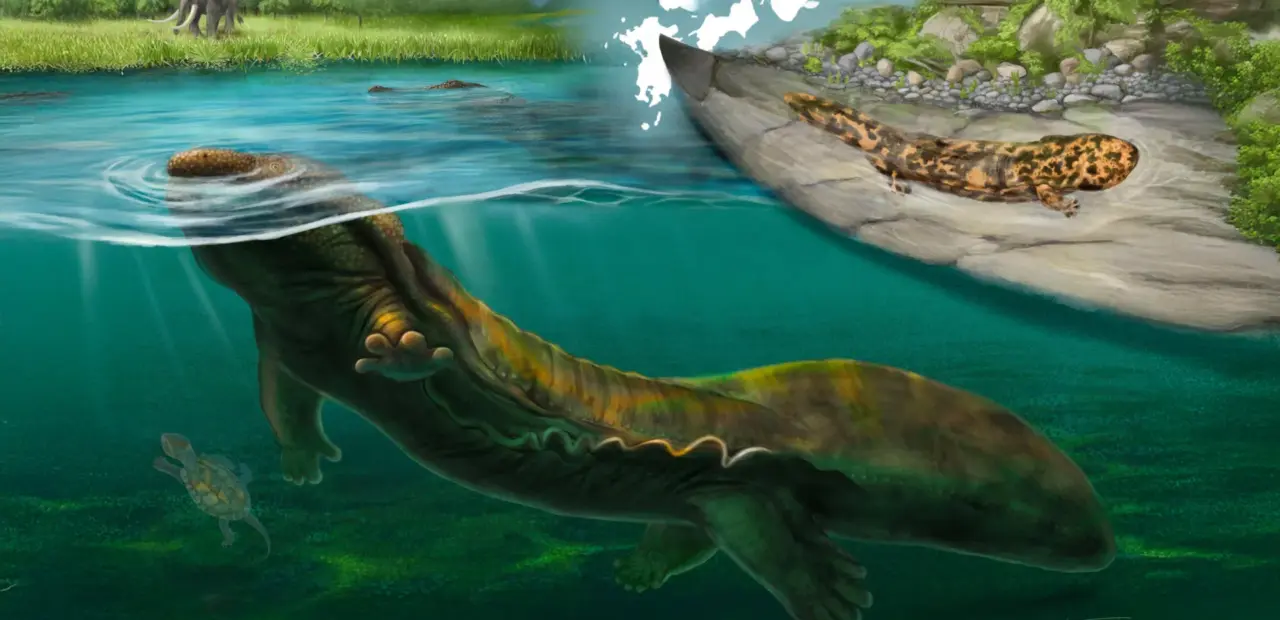
A new genus and species of giant salamander has been identified from fossils discovered in Japan more than two decades ago, according to a study from Kyoto University. The fossils, three vertebrae found in the Ajimu area of Oita prefecture in the late 1990s, were preserved in the Tsubusugawa Formation, a layer of ancient lake sediments from the Pliocene dating to about 3.5 million years ago. Researchers initially placed the fossils in the genus Andrias but lacked sufficient comparative material. A Kyoto University team later compared the bones with skeletons from living Cryptobranchidae species and found that the mid trunk vertebra contained anatomical features not seen in any other known member of the giant salamander family. The team concluded the fossils belonged to a previously unknown species and a new genus, naming it Limnospondylus ajimuensis. The salamander may have reached approximately 1.1 meters in length and lived in freshwater lakes and marshes in Kyushu. Only five genera in the Cryptobranchidae family had been previously described, making this a significant addition to understanding giant salamander diversity.
What’s reported
The fossils were discovered in the late 1990s in the Ajimu area of Oita prefecture, Japan.
The three vertebrae were preserved in the Tsubusugawa Formation, dating to about 3.5 million years ago.
Other fossils found in the same formation include elephants and crocodiles, animals no longer native to Japan.
The mid trunk vertebra contained anatomical features not present in any other known member of the giant salamander family.
The species is named Limnospondylus ajimuensis, combining Greek words for lake and vertebra, and referring to Ajimu.
The salamander may have reached approximately 1.1 meters in length as an adult.
Only five genera in the Cryptobranchidae family had been previously described.
Cooling temperatures during the shift from the Pliocene to the early Pleistocene may have contributed to its extinction.
Key figures
Masahiro Noda, first author of the study, Kyoto University
Masafumi Matsui, co-author, Kyoto University
Kanto Nishikawa, co-author, Kyoto University
Sources: ScienceDaily