


Study finds bird masturbation is natural, not harmful

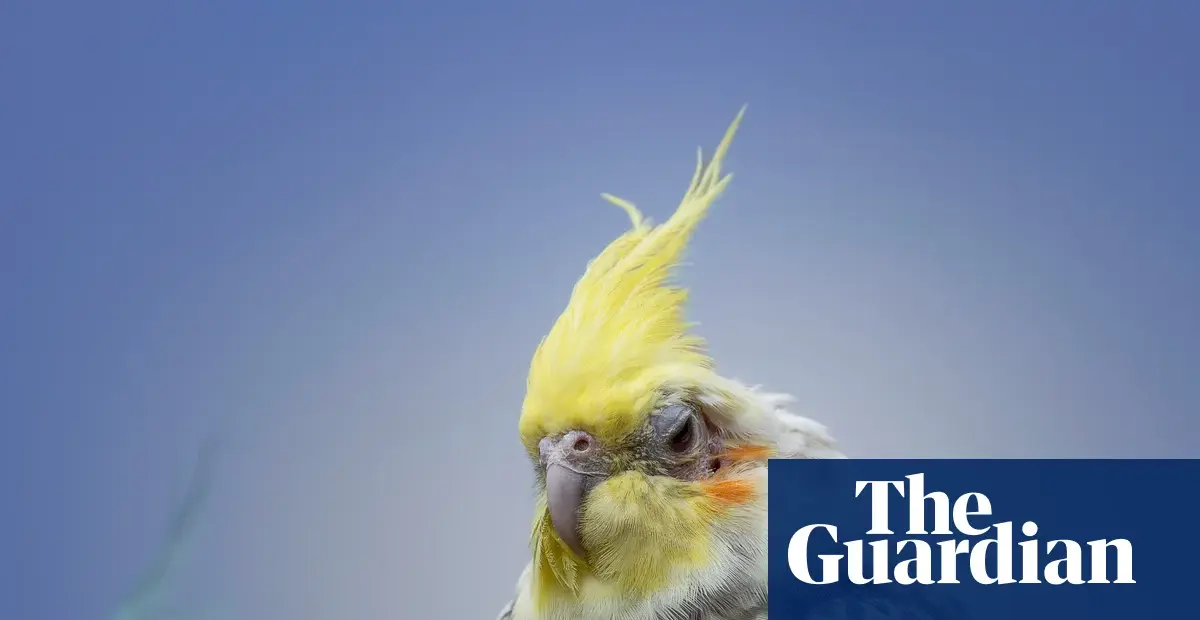
A study published in the journal Ecology and Evolution has concluded that masturbation among birds is a natural and healthy behavior that should not be punished. Researchers surveyed bird experts and online communities, collecting data on 120 bird species both in captivity and in the wild. The study found that the behavior is more common in wild birds than in captive ones, contradicting the assumption that it is a negative response to captivity. Lead author Dr Chloe Heys, an evolutionary ecologist at the University of Lancashire, said the behavior is widespread and part of the birds’ repertoire of sexual behaviors. The study recorded accounts of males rubbing vigorously on perches or owners’ hands, and females lifting their tails onto objects. Some bird owners had sought veterinary help fearing harm, and in extreme cases vets had suggested removing perches, giving drugs, or even surgery. The researchers warned that such interventions could be more damaging than the behavior itself. Co-author Dr Matilda Brindle of Oxford University said the findings have implications for bird welfare, especially given common advice to discourage or punish the behavior.
What’s reported
The study collected data on 120 bird species, both captive and wild.
Masturbation was found to be more common in wild birds than in captivity.
Researchers concluded the behavior is natural and healthy, not a negative response to captivity.
Vets have sometimes advised removing perches, giving hormonal therapy, or performing surgery to stop the behavior.
Dr Chloe Heys said the behavior is widespread in birds and part of their natural sexual behaviors.
Dr Matilda Brindle said the finding challenges common husbandry advice to discourage or punish the behavior.
The study was published in the journal Ecology and Evolution.
Misconceptions
The article directly addresses the misconception that masturbation in birds is a negative response to captivity or a harmful behavior that requires intervention.
Key figures
Dr Chloe Heys, evolutionary ecologist at the University of Lancashire
Dr Ana Basto, vet at the University of Lancashire (not involved in the study)
Dr Matilda Brindle, evolutionary biologist at Oxford University and study co-author
Sources: The Guardian