


Ribena owner invests £200,000 to develop hardier blackcurrant bushes

6 reported
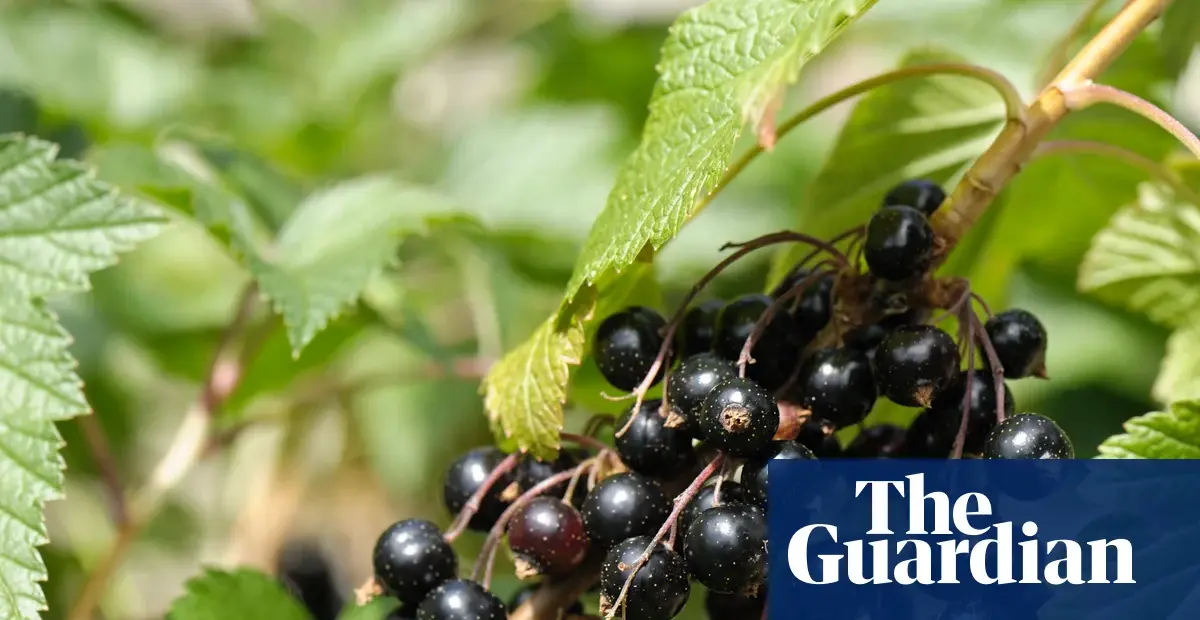
The owner of Ribena is investing £200,000 to help blackcurrant bushes withstand extreme weather after a challenging season for UK growers. This year’s blackcurrant harvest, now under way in regions including East Anglia, Gloucestershire, Herefordshire, Kent and Scotland, is expected to be about 10% below the average of 10,000 tonnes. Growers reported that crops were hit by one of the wettest winters on record, followed by localised frosts and hail during spring, and then heatwaves in June and July that caused scorching and premature berry drop. The lack of rain is also producing smaller fruits. The investment will fund a collaborative research programme with the National Institute of Agricultural Botany (Niab) at East Malling in Kent to investigate how improving soil health can help bushes better withstand environmental stress. Researchers will evaluate organic soil additions such as wool, pasteurised manures and green waste products to improve soil organic matter, moisture retention and nutrient cycling.
What’s reported
Ribena’s owner, Suntory Beverage & Food, is investing £200,000 in blackcurrant research.
This year’s UK blackcurrant harvest is expected to be about 10% below the average of 10,000 tonnes.
The harvest is under way in East Anglia, Gloucestershire, Herefordshire, Kent and Scotland.
Crops were affected by one of the wettest winters on record, spring frosts and hail, and June/July heatwaves.
The research programme with Niab will study soil health improvements using organic additions like wool, pasteurised manures and green waste.
The project will assess effects on soil health, plant establishment, bush vigour, yield and berry quality.
Key figures
Harriet Prosser, agronomist at Suntory Beverage & Food
Jo Hilditch, chair of the Blackcurrant Foundation trade association and a grower from Herefordshire
National Institute of Agricultural Botany (Niab)
Sources: The Guardian