


Nine states pass tighter voting laws ahead of midterms

9 reported
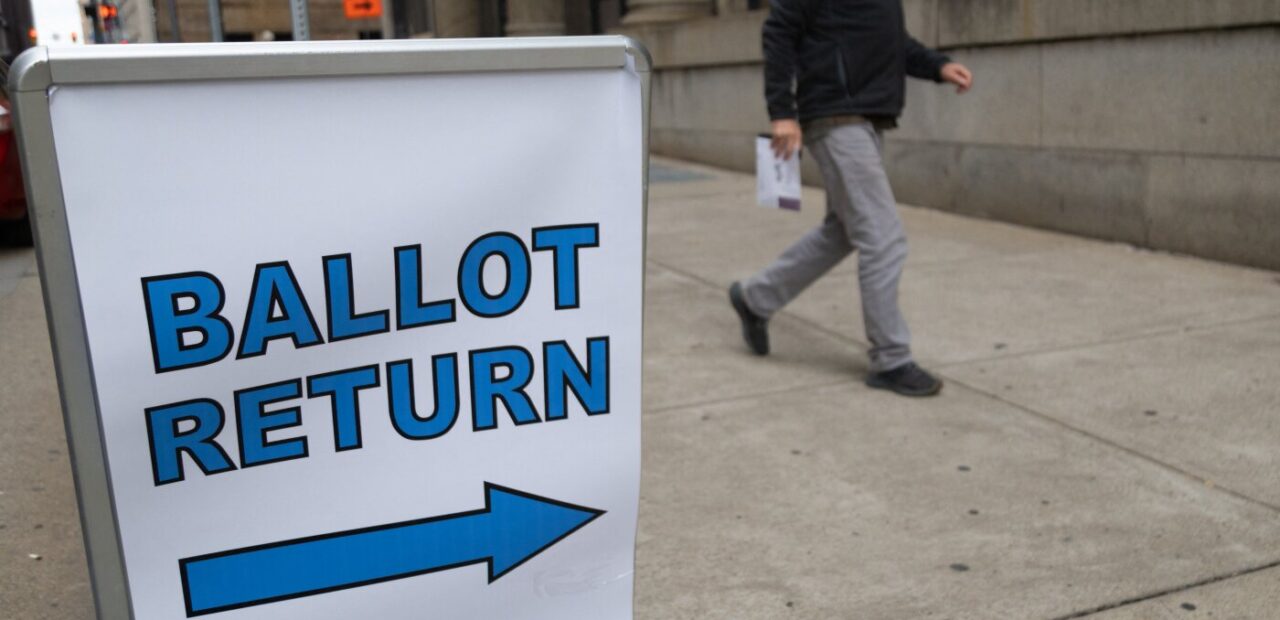
At least nine states have passed voting laws this year that will make it more difficult for some voters to cast their ballots during the midterm elections in November, according to an analysis by the Brennan Center and the Goldman School of Public Policy at the University of California at Berkeley. Supporters say the laws protect election integrity and ensure only U.S. citizens vote, while critics argue they create barriers for eligible voters. The laws apply only to state and local elections; voters who do not provide proof of citizenship can still vote in federal races. Some states are facing legal challenges, and others are still considering new restrictions.
What’s reported
At least nine states passed voting laws between January and May 2026: Florida, Kansas, Kentucky, Mississippi, Nebraska, New Hampshire, South Dakota, Utah, and West Virginia.
Florida, Mississippi, South Dakota, and Utah now require proof of citizenship to register for state and local elections.
Florida’s law, called the Florida SAVE Act, requires proof of U.S. citizenship and cross-checks registration against government databases; it takes effect in 2027.
Kentucky’s law grants federal authorities the right to check voter lists for noncitizens.
Kansas’s bathroom law requires driver’s licenses to show biological sex at birth, potentially invalidating ID for transgender voters.
A yearlong review of Utah’s voter rolls found 27 confirmed noncitizens out of over 2 million registered voters.
Florida voting rights advocates filed a federal lawsuit to block the SAVE Act.
A federal judge struck down a 2024 New Hampshire law requiring hard proof of citizenship; the state appealed.
The North Carolina House is expected to vote on an election bill requiring voter ID for military and overseas voters.
Key figures
Florida Republican Gov. Ron DeSantis
Sonya Williams Barnes, Mississippi policy director for the Southern Poverty Law Center
Utah Lt. Gov. Deidre Henderson, a Republican
South Dakota Democratic Party Chair Shane Merrill
Sources: stateline.org