Earth’s Black Box installation planned for remote Tasmanian airfield

8 reported
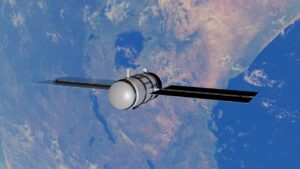
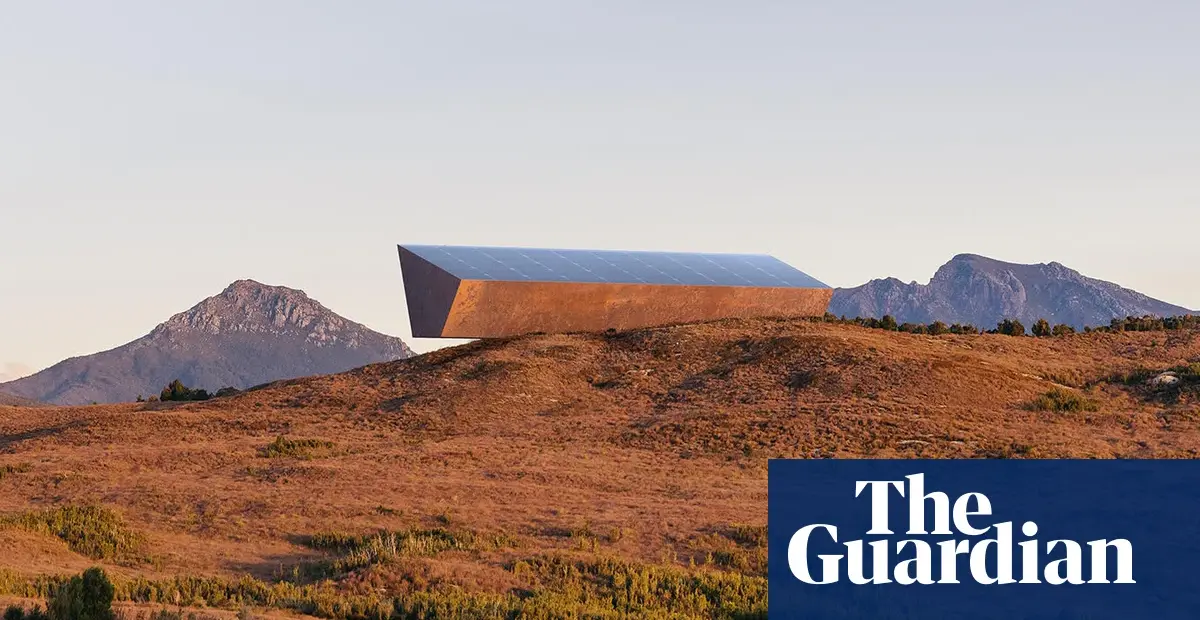
According to a single-source report, the "Earth's Black Box" project, first announced in 2021, is moving forward with parts assembly underway and full installation scheduled for December near Queenstown on a remote western Tasmanian airfield. The 16-metre long, four-metre high steel structure topped with solar panels is designed to record data on humanity's actions toward climate catastrophe, inspired by an aeroplane's flight recorder. The project was announced to coincide with the UN's 2021 Cop26 climate talks and was created by Rouser Lab, an Australian not-for-profit experimental environmental communications agency. Its artistic director, Jonathan Kneebone, stated the project is now coordinated by the Earth's Black Box Foundation, a registered charity. The University of Tasmania, initially affiliated, has dropped out and will request removal from Rouser Lab's website. The mayor of West Coast council, Shane Pitt, said the project has been a "long time coming" and could serve as a tourist attraction.
What’s reported
The Earth's Black Box is a 16-metre long, four-metre high steel structure topped with solar panels encased behind glass.
It will be installed in December near Queenstown on a remote western Tasmanian airfield.
The project was first announced to coincide with the UN's 2021 Cop26 climate talks.
Digital hard drives began recording data from the talks in 2021, to be transferred later to the physical box.
The project was created by Rouser Lab, an Australian not-for-profit "experimental environmental communications agency."
Artistic director Jonathan Kneebone said the project is now coordinated by the Earth's Black Box Foundation, a registered charity.
The University of Tasmania, initially affiliated, has dropped out and will request removal from Rouser Lab's website.
West Coast council mayor Shane Pitt said the project could be a tourist attraction and noted the west coast was chosen for geological and political stability.
Key figures
Jonathan Kneebone, artistic director of the Earth's Black Box project
Shane Pitt, mayor of West Coast council in Tasmania
Sources: The Guardian