

Multi-cancer blood test trial fails to reduce late-stage diagnoses

The Story
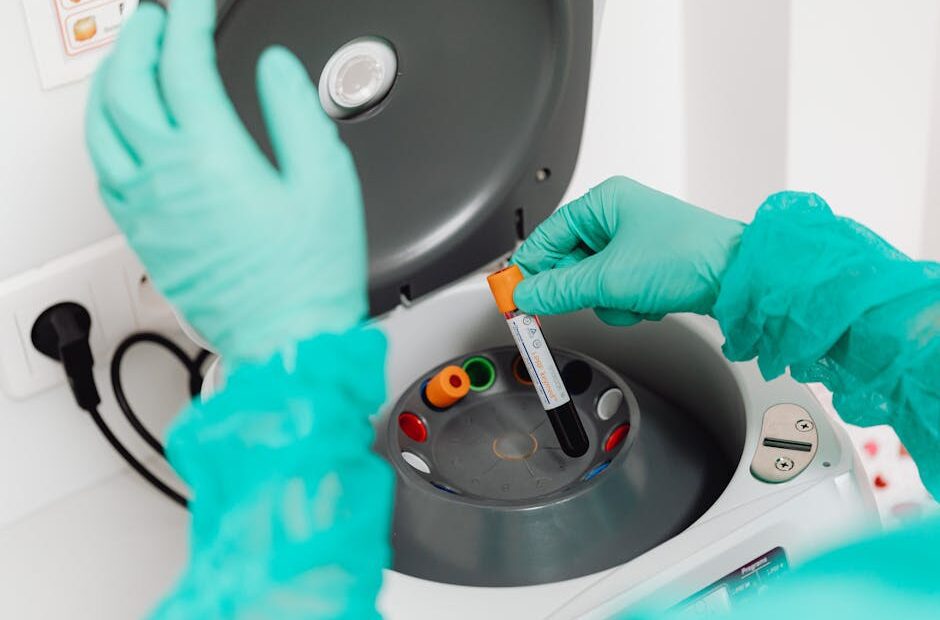
A large NHS trial of the Galleri blood test, designed to detect more than 50 types of cancer, did not meet its primary goal of reducing late-stage cancer diagnoses, according to data presented at the American Society of Clinical Oncology conference in Chicago. The study enrolled 142,942 asymptomatic participants aged 50 to 77, with blood drawn annually for three years. Half received the Galleri test in addition to standard screening, while the other half served as a control group. Results showed no statistically significant reduction in stage three or four cancers among those who received the test compared to the control group. Grail, the California-based company behind the test, said it was encouraged by a secondary finding of a 14% reduction in stage four cancers alone. However, independent experts urged caution, noting the failure to meet the primary endpoint and calling for mortality data expected in a few years.
Key Facts
- The trial involved 142,942 NHS patients aged 50 to 77 with no cancer symptoms.
- Blood was drawn from all participants once a year for three years.
- Half received the Galleri test; the other half served as a control and did not have their blood analysed by the test.
- The primary endpoint was a reduction in stage three and four cancer diagnoses for a pre-specified group of 12 cancers.
- The trial did not achieve a statistically significant reduction in advanced cancers overall.
- A secondary analysis showed a 14% reduction in stage four cancers alone.
Conflicting Reports
Grail expressed optimism about the secondary findings, while independent experts such as Prof Richard Houlston stated that the failure to meet the primary endpoint means there is no evidence to justify population-scale implementation. An anonymous senior cancer figure described the trial as having flopped.
Still Unclear
Mortality outcomes from the trial are not yet available and are expected in a couple of years.
Misconceptions
No widespread misconceptions addressed in the source article.
Key Figures
- Dr Julie Gralow, chief medical officer and executive vice-president of ASCO
- Harpal Kumar, chief scientific officer of Grail
- Prof Richard Houlston, head of the division of genetics and epidemiology at the Institute of Cancer Research, London
- Prof Peter Johnson, national clinical director for cancer at NHS England
- An anonymous senior cancer delegate speaking to the Guardian
Sources: The Guardian