


Meteorite points to lost moon-sized protoplanet from early solar system

7 reported2 unconfirmed
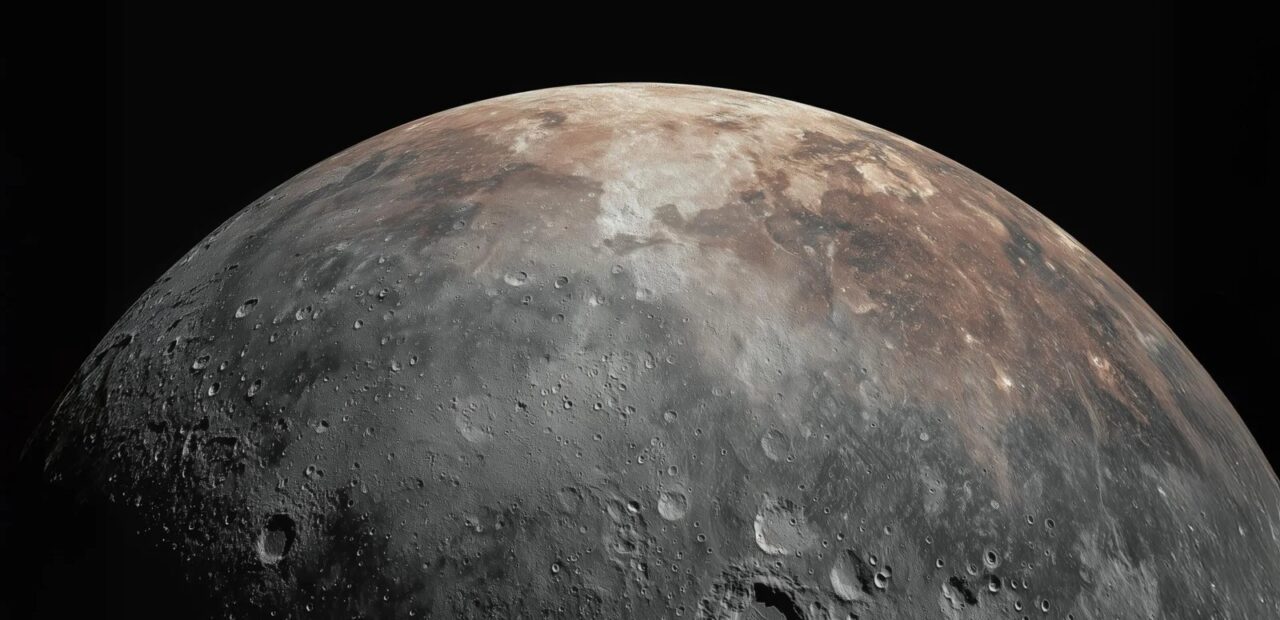
A rare meteorite discovered in the Sahara Desert has provided the first direct evidence of a long-lost protoplanet that may have been as large as the moon or Mars, according to a study published in Earth and Planetary Science Letters. Researchers at the University of Colorado at Boulder analyzed the meteorite, known as Northwest Africa (NWA) 12774, which belongs to a rare group of volcanic rocks called angrites. The team found a mineral called clinopyroxene with high aluminum levels, indicating it formed under extreme pressure of at least 17.5 kilobars — far more than could exist inside a small asteroid. Calculations suggest the parent body had a radius of at least 1,000 kilometers, and possibly exceeded 1,800 kilometers, placing it in the size range of Earth’s moon. The crystals’ sharp edges suggest they formed near the surface of a much larger world. The study indicates this protoplanet formed from materials fundamentally different from those of Earth and Mars, representing a distinct evolutionary path in planetary formation.
What’s reported
The meteorite, Northwest Africa (NWA) 12774, is an angrite, one of the oldest volcanic rocks in the solar system, formed a few million years after the solar system emerged about 4.56 billion years ago.
Of more than 80,000 meteorites found on Earth, only 68 belong to the angrite group.
The mineral clinopyroxene in the meteorite contained exceptionally high levels of aluminum, requiring at least 17.5 kilobars of pressure to form.
Pressure at the bottom of the Mariana Trench is about 1 kilobar.
The parent body must have had a radius of at least 1,000 kilometers (621 miles) and may have exceeded 1,800 kilometers (1,118 miles).
The crystals’ sharp edges suggest they formed relatively close to the surface of the parent body.
The angrite parent body may have been destroyed in a major collision in the early solar system, with fragments possibly becoming part of other rocky planets.
Open questions
What exactly happened to the protoplanet after the collision.
Whether other similar protoplanets exist that have not yet been identified.
Key figures
Aaron Bell, assistant research professor in the Department of Earth Science at the University of Colorado Boulder.
Laura Waters, co-author (mentioned in journal reference).
Mark Ghiorso, co-author (mentioned in journal reference).
Sources: ScienceDaily