



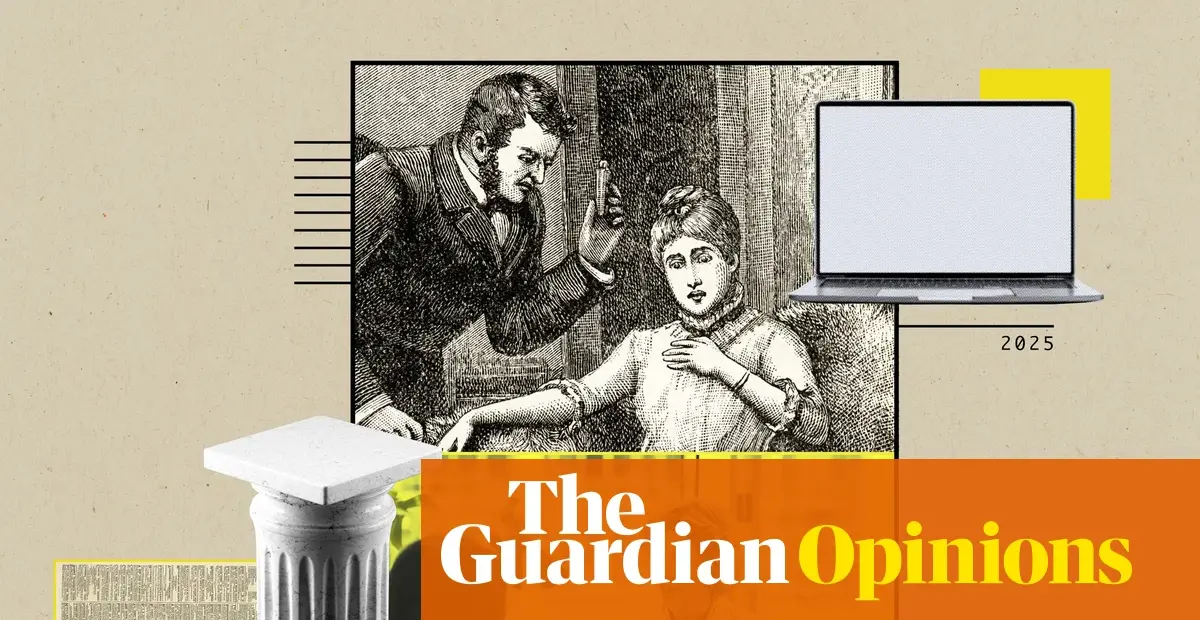
Medical misogyny and women’s testimony in healthcare examined

11 reported
A commentary published by The Guardian argues that women have historically been treated as unreliable witnesses of their own bodily experience in medicine. The article, written by Alison Downham Moore, cites examples such as the reduction of polyendocrine metabolic ovarian syndrome to ovarian cysts and ongoing struggles for endometriosis patients to access appropriate care. It states that this pattern is not simply a matter of a few bad clinicians but part of a long history in which women’s pain has been treated as less urgent and their bodies subjected to unwarranted surgical intervention. The piece traces this issue to the emergence of western biomedicine, noting that in the 1700s women were thought to be ruled by nervous disorders and in the 1800s defined as the “sicker sex.” It highlights gynaecology as a case example, describing 19th-century hysterectomies performed without full patient consent and with high mortality rates. The article also notes that by the late 20th century, more than a third of women in the west had hysterectomies by old age, and that some US surgeons in the 1970s proposed hysterectomy for lower-class women they thought could not manage contraception. The author concludes that progress in surgical technique does not automatically produce justice in care.
What’s reported
The article is a commentary by Alison Downham Moore published in The Guardian.
It states that polyendocrine metabolic ovarian syndrome was reduced to ovarian cysts until a few weeks ago.
It says the struggles of people with endometriosis to access appropriate care continue in many countries.
The article describes a long pattern in which medicine has treated women’s testimony as unreliable and women’s pain as less urgent.
It notes that in the 1700s women were thought to be ruled by nervous disorders such as “the vapours.”
In the 1800s, women were defined as the “sicker sex” and their ageing reduced to menopause.
The first potentially survivable hysterectomies using antiseptic measures were performed in the 19th century on women with benign fibroid tumours who were often not told what surgery they were receiving; more than half died.
By the late 20th century, more than a third of all women in the west had hysterectomies by the time they reached old age.
In the 1970s, US surgeons proposed hysterectomy as the treatment of choice for women of the lower classes whom they thought could not manage their own contraception.
The article states that the same rationale contributed to the sterilisation of First Nations and Black women in many countries.
The author argues that present-day complaints about women being steered too quickly towards hysterectomy for benign uterine tumours belong to a historical pattern.
Key figures
Alison Downham Moore (author of the commentary)
The Australia Institute (cited as describing patient despair)
Sources: The Guardian