


Google seeks US approval for 32 million sterile mosquito release; Australian trial offers lessons

7 reported
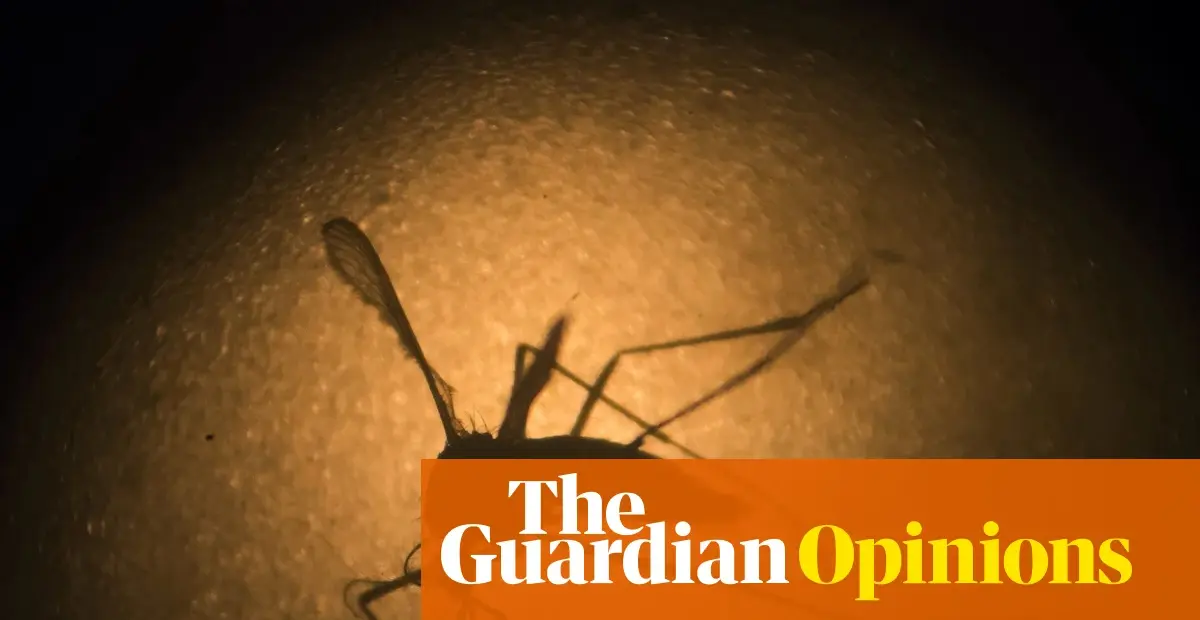
Google’s parent company Alphabet has requested US federal permission to release up to 32 million sterilized male mosquitoes in California and Florida as part of its Debug initiative. The plan aims to reduce populations of disease-carrying female mosquitoes by releasing males that do not bite but produce non-viable eggs when they mate. A decade ago, researcher Nigel Beebe led a project with Google’s life sciences division, now Verily, to test a similar strategy in far north Queensland, Australia. The trial released about three million male mosquitoes carrying the wolbachia bacterium, which causes reproductive incompatibility. Results published in 2021 showed mosquito populations in treatment towns declined within four weeks, with one town achieving roughly 95% suppression after 12 months. Beebe notes the Australian experience offers evidence-based answers to US public concerns about safety, scale, and long-term effects, while emphasizing that success depends on local ecology, mosquito movement, and community participation.
What’s reported
Alphabet has asked the US federal government for permission to release up to 32 million sterilized male mosquitoes in California and Florida.
The plan involves releasing more than 16 million mosquitoes each year for two years.
Male mosquitoes do not bite or carry disease; the goal is for them to mate with females, producing eggs that do not hatch.
Beebe led a project with Verily in far north Queensland that released about three million wolbachia-carrying male mosquitoes during a 20-week period in 2018.
The trial targeted the invasive Aedes aegypti mosquito, which spreads dengue, Zika, chikungunya, and yellow fever.
Results published in 2021 demonstrated suppression within four weeks; one treatment town showed roughly 95% suppression after 12 months.
The project received regulatory approval from multiple authorities and involved community engagement with residents, local government, and First Nations leaders.
Key figures
Nigel Beebe, researcher who led the Australian trial with Verily
Verily, Google’s life sciences division (now known as Verily)
Sources: The Guardian