



FDA-approved drug may help immunotherapy treat rare liver cancer

5 reported
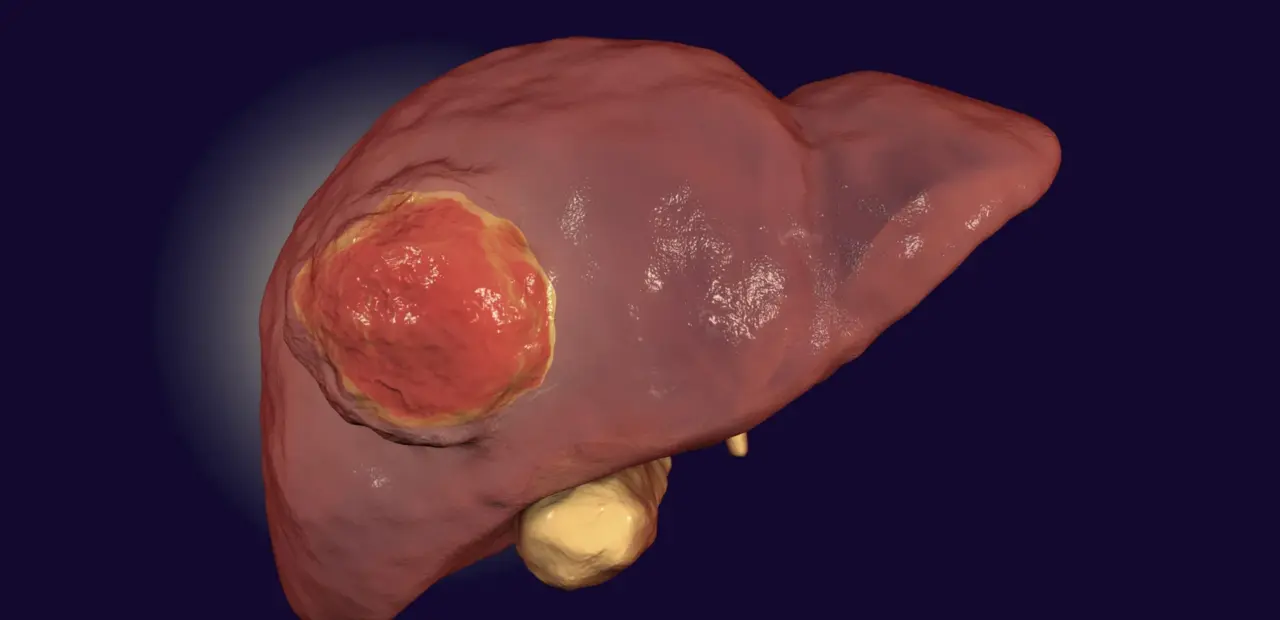
Researchers at Cornell University and the University of Washington have identified a potential strategy to overcome immunotherapy resistance in fibrolamellar carcinoma, a rare and aggressive liver cancer that primarily affects children and young adults. The study, published in the journal Gastroenterology, found that the cancer evades immune T cells by trapping them in nearby fibrous tissue, a process called T-cell exclusion. The team discovered that AMD3100, a drug already approved by the U.S. Food and Drug Administration for another disorder, can disrupt this trapping and allow T cells to reach the tumor. In tests using slices of patient tumor tissue, AMD3100 combined with immune checkpoint inhibition increased T-cell activation and tumor cell death. The researchers are now seeking liver cancer specialists to launch clinical trials. The study was supported by the Fibrolamellar Cancer Foundation.
What’s reported
Fibrolamellar carcinoma makes up about 2% of all liver cancer cases and has no cure.
The cancer evades immunotherapy by trapping immune T cells in fibrous bands produced by altered stellate cells.
AMD3100 is already FDA-approved for another medical condition.
In patient tumor tissue samples, AMD3100 guided T cells back into tumors and, when combined with immune checkpoint inhibition, increased tumor cell death.
The study was published in the journal Gastroenterology.
Key figures
Praveen Sethupathy, professor of physiological genomics and chair of the Department of Biomedical Sciences at Cornell University (co-senior author)
Dr. Venu Pillarisetty, surgical oncologist at the University of Washington (co-senior author)
Andreas Stephanou, Cornell graduate student (co-first author)
Jason Carter and Lindsey Dickerson, members of the Pillarisetty laboratory at the University of Washington (co-first authors)
Bo Shui, senior research associate in the Sethupathy laboratory (co-author)
Sources: ScienceDaily