

Euclid telescope captures largest image of Milky Way’s galactic bulge

10 reported
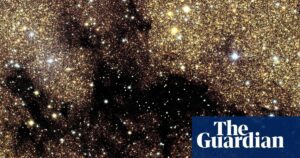
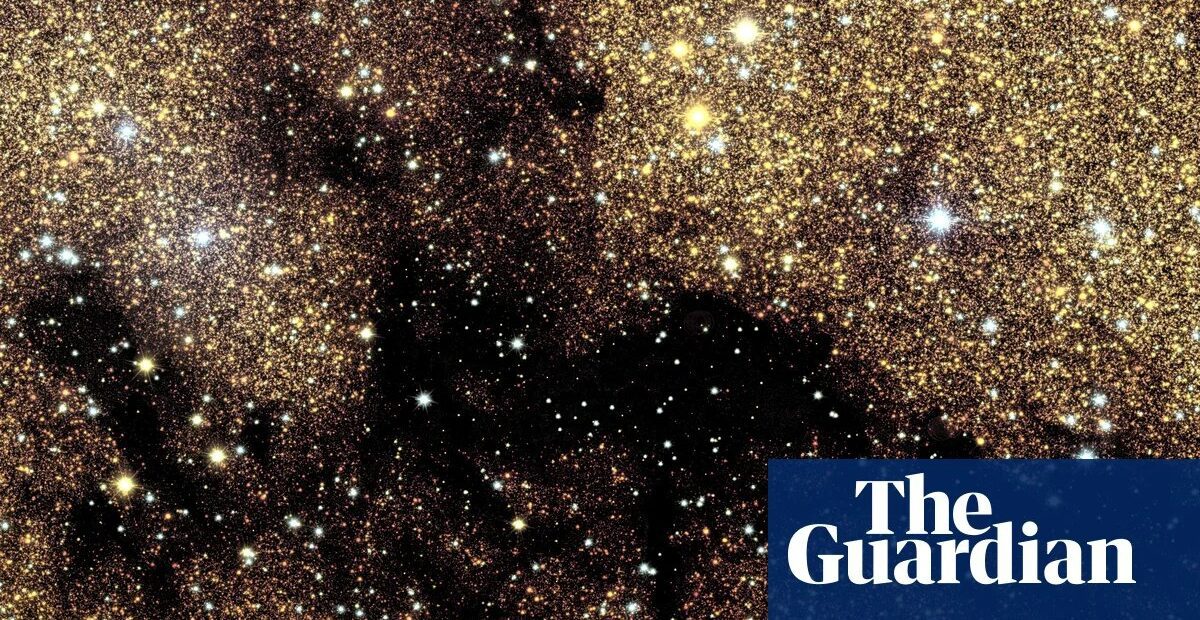
The European Space Agency's Euclid telescope has captured the largest and most detailed image ever taken of visible light from the center of the Milky Way, showing more than 60 million stars. The image, a mosaic of nine pointings from the telescope's visible light camera, was taken in March of the previous year after 26 hours of observations. Each pointing covers an area of the sky larger than the full moon. Researchers stated that the image marks the start of a new age of exoplanet discovery, with the number of known worlds expected to increase significantly. Dr. Eamonn Kerins of the University of Manchester's Jodrell Bank Centre for Astrophysics said Euclid was not built for this science but has proven a superb facility for the work. The telescope launched in 2023 to construct a 3D map of the cosmos and study dark energy and dark matter.
What’s reported
The Euclid telescope captured an image of more than 60 million stars at the center of the Milky Way.
The image is the largest and most detailed ever taken of visible light from the galactic bulge.
The snapshot was taken in March of the previous year with 26 hours of observations.
The image is a mosaic of nine pointings, each covering an area larger than the full moon.
Dr. Eamonn Kerins stated Euclid was not built for this science but has proved a superb facility.
The telescope launched in 2023 and cost €1bn (£862m).
According to the article, the most popular model of the universe says 5% is ordinary matter, 70% is dark energy, and 25% is dark matter.
The image will boost the hunt for exoplanets through microlensing and transit methods.
NASA plans to launch the Nancy Grace Roman space telescope in August, expected to find about 1,500 microlensing exoplanets.
The Roman telescope aims to spot a further 100,000 exoplanets via transit method.
Key figures
Dr. Eamonn Kerins, astrophysicist at the University of Manchester's Jodrell Bank Centre for Astrophysics
Nancy Grace Roman, NASA's first chief of astronomy (died 2018)
Sources: The Guardian