


Ebola Outbreak in Eastern Congo Escalates with Over 1,000 Suspected Cases

The Story
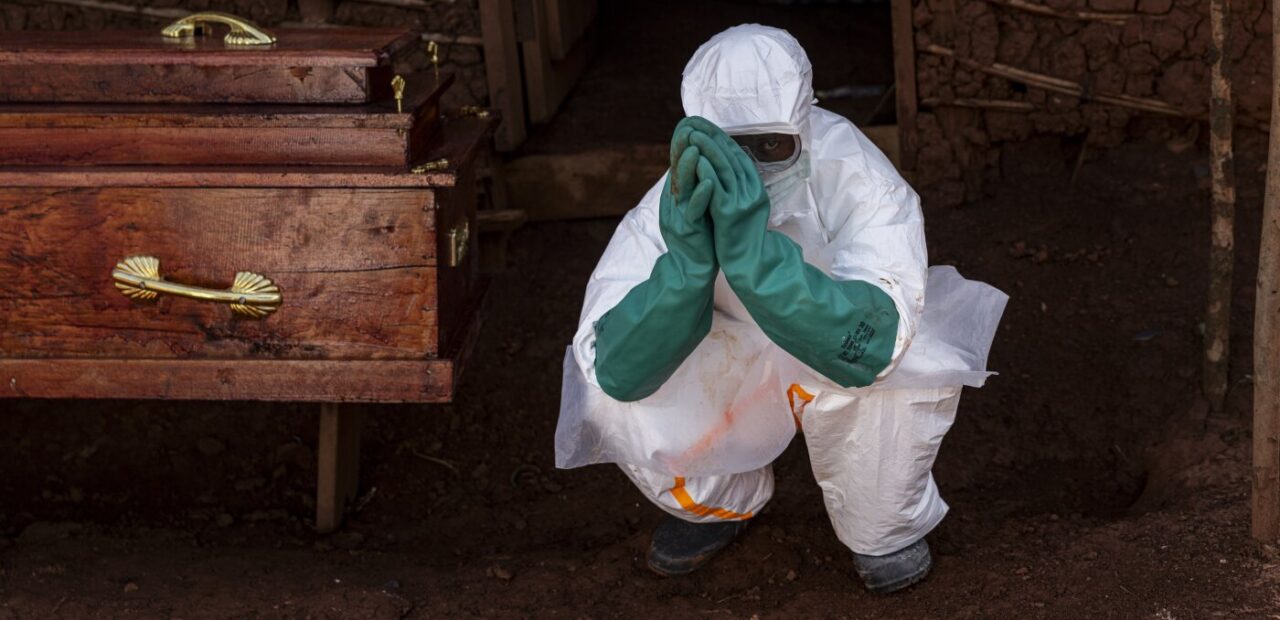
An Ebola outbreak in eastern Democratic Republic of Congo has surpassed 1,000 suspected cases, with hundreds of suspected deaths reported across the region. The outbreak is centered in Ituri province, where nearly one million people are displaced by ongoing conflict. The Bundibugyo strain of the virus has no approved vaccine or treatment, and the World Health Organization has declared the situation a Public Health Emergency of International Concern. Health workers are facing community mistrust and security challenges, while aid groups warn that displacement camps with poor hygiene are at high risk. Uganda has reported confirmed cases linked to the Congo outbreak, though the exact number differs across reporting agencies. The outbreak was officially declared on May 15, but sources indicate it had been spreading undetected for weeks prior.
Key Facts
- Over 1,000 suspected Ebola cases have been reported in eastern Democratic Republic of Congo.
- The outbreak is centered in Ituri province, with additional cases in North and South Kivu.
- The Bundibugyo strain of Ebola has no approved vaccine or treatment.
- Nearly one million people are displaced in Ituri province due to ongoing conflict.
- The World Health Organization has declared the outbreak a Public Health Emergency of International Concern.
Conflicting Reports
- Number of confirmed Ebola cases in Uganda: NPR and ABC News report 7 confirmed cases, while the World Health Organization reports 2 confirmed cases as of May 22.
- Suspected death toll: NPR reports up to 246 suspected deaths, while ABC News reports at least 220 suspected deaths.
Still Unclear
- NPR reported that Rwanda and Uganda have closed their borders with Congo, and that Canada and the United States have imposed entry restrictions (single-source claim).
- NPR reported attacks on Mongbwalu hospital and the burning of an isolation tent (single-source claim).
- ABC News reported that the ISP displacement camp in Bunia has only one handwashing station and one thermometer for 10,000 people, with residents using sand or oatmeal for handwashing (single-source claim).
- WHO reported the specific date of the PHEIC declaration (May 17) and the IHR Emergency Committee meeting (May 19) (single-source claim).
- Questions that remain unanswered: How many total cases and deaths exist if the outbreak was spreading undetected? When will candidate vaccines or therapeutics be available for the Bundibugyo strain?
Misconceptions
NPR reported that false rumors about Ebola being a mystic illness and that hospital personnel are injecting people with the illness are hampering response efforts in Mongbwalu. The sources indicate that community mistrust is a significant barrier to containing the outbreak.
Key Figures
- Dr. Esther Sterk, Doctors Without Borders tropical disease specialist
- Dr. Richard Lokudi, hospital director in Mongbwalu
- Tedros Adhanom Ghebreyesus, WHO Director-General
- Lt. Gen. Johnny Luboya, Ituri military governor
- Marco Rubio, U.S. Secretary of State
- Francine Leve Janguzi, resident of ISP displacement camp
- Heather Kerr, Congo director, International Rescue Committee
- Gabriela Arenas, regional coordinator, International Federation of Red Cross and Red Crescent Societies
- Gérard Maki, community leader in ISP camp
Sources: NPR, World Health Organization, abcnews.com