


Ebola Outbreak in Congo and Uganda Raises Concerns Over Response Capacity

The Story
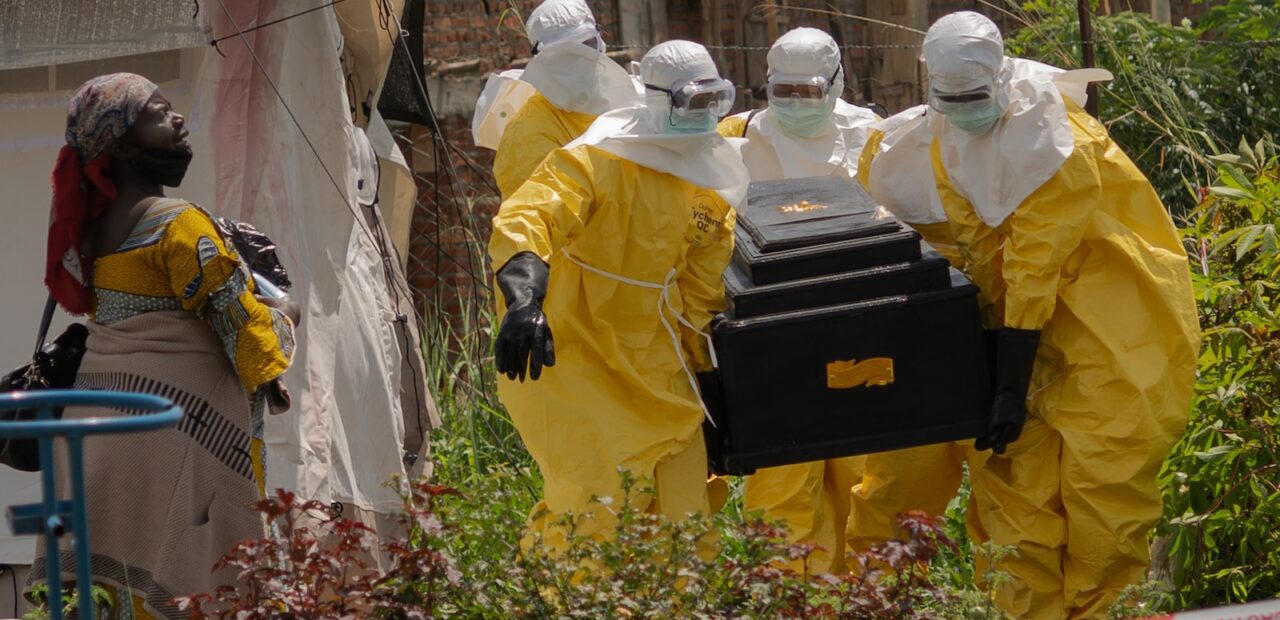
A rapidly spreading Ebola outbreak caused by the rare Bundibugyo virus has been confirmed in the Democratic Republic of Congo and Uganda, with the World Health Organization assessing the risk as high at national and regional levels but low globally. The outbreak has exposed weaknesses in health infrastructure and initial diagnostic testing, while funding cuts to research networks have hampered preparedness efforts.
Key Facts
- The outbreak is caused by the Bundibugyo virus, a rare type of Ebola, as confirmed by multiple sources.
- The World Health Organization said the risk of global spread is low, but the risk at national and regional levels is high.
- WHO Director-General Tedros Adhanom Ghebreyesus stated that 51 cases have been confirmed in Congo’s Ituri and North Kivu provinces.
- Uganda reported confirmed cases to the WHO.
- There are approximately 600 suspected cases and 139 suspected deaths reported by the WHO.
- The Trump administration’s cuts to foreign aid and funding for the NIH-funded Centers for Research in Emerging Infectious Diseases (CREID) network have been cited as factors affecting the response.
- Initial testing was designed for the more common Zaire strain of Ebola, delaying detection of the Bundibugyo virus.
Conflicting Reports
- Number of confirmed cases in Uganda: AP/ABC News reports two confirmed cases, while Wired reports seven confirmed cases including one death.
- Total suspected cases: AP/ABC News reports nearly 600 suspected cases; Wired reports at least 1,000 suspected cases in the DRC alone.
- Total suspected deaths: AP/ABC News reports 139 suspected deaths; Wired reports 238 suspected deaths in the DRC.
Still Unclear
- The WHO declared the outbreak a public health emergency of international concern (Single-source claim from ABC/AP).
- An attack by militants linked to the Islamic State group killed at least 17 people in Alima village in Ituri province (Single-source claim from ABC/AP).
- A U.S. national who tested positive in Congo was transferred to Berlin for treatment; the patient’s family is also being moved (Single-source claim from ABC/AP).
- The first known death was announced last week in Bunia; “patient zero” has not been found (Single-source claim from ABC/AP).
- A vaccine for the Bundibugyo strain is not expected for six to nine months (Single-source claim from ABC/AP).
- The CREID network received approximately $82 million in NIH funding over five years and received a stop-work order in June 2025 (Single-source claim from Wired).
- It remains unclear how many people are actually infected, as the sources provide differing estimates and the WHO acknowledged undercounting.
Misconceptions
- The sources collectively address that early testing was mistakenly focused on the Zaire Ebola strain, allowing the Bundibugyo virus to spread undetected for weeks. This misconception about test accuracy contributed to delayed response.
Key Figures
- Tedros Adhanom Ghebreyesus — Director-General of the World Health Organization
- Anaïs Legand — WHO emergencies program
- Dr. Vasee Moorthy — Special adviser at WHO
- Dr. Lievin Bangali — Senior health coordinator, International Rescue Committee in Congo
- Kristian Andersen — Evolutionary virologist, Scripps Research
- Robert Garry — Professor of microbiology and immunology, Tulane Medical School
- M. Kariuki Njenga — Virologist at Washington State University, former CREID center leader
Sources: abcnews.com, Wired