



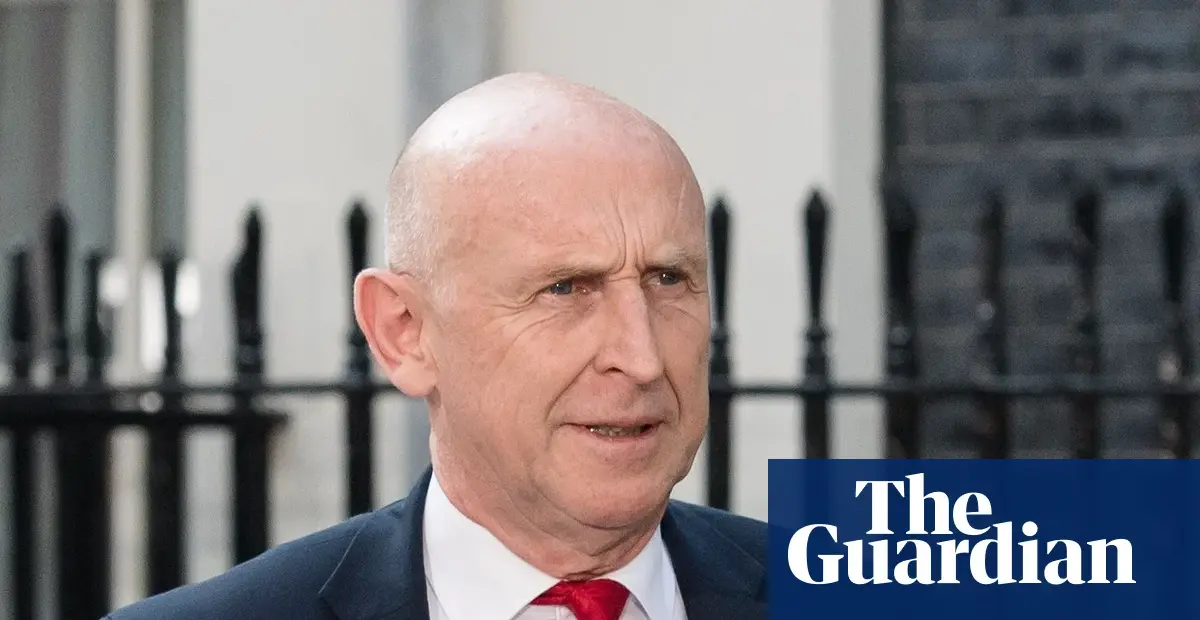
Defence shares rise after Burnham appoints Healey as chancellor

10 reported
Shares in defence companies rose sharply after Andy Burnham appointed John Healey as chancellor, according to a single-source report from The Guardian. The move prompted hope among investors of increased spending on military suppliers. Defence stocks were among the biggest risers on the FTSE 100 on Tuesday morning after Healey was announced as chancellor after markets closed on Monday. Babcock International rose 7%, BAE Systems was up 3%, and Rolls-Royce increased nearly 2% on the FTSE 100, while QinetiQ rose nearly 4% on the FTSE 250. Investors hope Healey will use his position to increase defence spending, possibly through issuing “war bonds,” a form of borrowing allocated only for the military that he has previously advocated for in government. Healey resigned last month in a row over defence spending, accusing Keir Starmer and his chancellor, Rachel Reeves, of putting the country’s security at risk. However, Chris Beauchamp, chief market analyst at the broker IG, said Healey’s appointment would not necessarily lead to an immediate windfall for defence, noting competing demands and the difficulty of finding more cash for defence.
What’s reported
Shares in defence companies rose sharply after Andy Burnham appointed John Healey as chancellor.
Babcock International rose 7%, BAE Systems was up 3%, and Rolls-Royce increased nearly 2% on the FTSE 100.
On the FTSE 250, QinetiQ rose nearly 4%.
Investors hope Healey will increase defence spending, possibly through issuing “war bonds.”
Healey resigned last month in a row over defence spending, accusing Keir Starmer and Rachel Reeves of putting the country’s security at risk.
Chris Beauchamp, chief market analyst at IG, said Healey’s appointment would not necessarily lead to an immediate windfall for defence.
UK government bonds were relatively unmoved, and sterling was up slightly against the dollar.
The yield on the 10-year gilt is about one basis point lower at 5.03%.
Official figures showed the UK government borrowed less than expected in June.
The government announced plans to reduce household electricity bills by an average of £45 a year from October, expected to cost £850m this financial year.
Key figures
Andy Burnham, prime minister
John Healey, chancellor
Keir Starmer, former prime minister
Rachel Reeves, former chancellor
Chris Beauchamp, chief market analyst at IG
Ed Miliband (mentioned)
Shabana Mahmood (mentioned)
Sources: The Guardian