
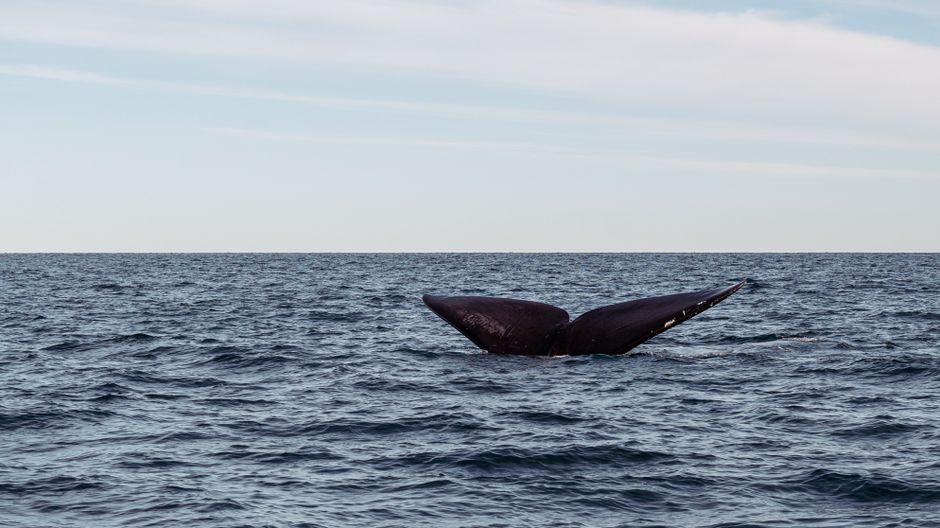
Deepest whale graveyard discovered in Indian Ocean

8 reported
A research team has discovered the oldest, deepest and most extensive whale graveyard in the south-eastern Indian Ocean, with fossils dating back more than 5 million years. The site, located in the Diamantina fracture zone, reaches depths of more than 7 kilometers and extends hundreds of miles across the sea floor. Researchers used a submersible to explore the area and found decaying carcasses teeming with life, including crustaceans, molluscs, bone-eating worms and brittle stars. The team, based in China, Italy and New Zealand, published their study in the journal Nature. They discovered whale fossils at depths of up to 7,002 meters and carried out 32 dives, finding 485 whale-fossil sites and five modern natural whale falls. The largest carcass was a five-meter long skeleton of an Antarctic minke whale. The researchers also found a fossilized skull from a beaked whale species called Pterocetus benguelae, dated to 5.3 million years ago, and a skull from a new species they named Pterocetus diamantinae.
What’s reported
The whale graveyard is located in the Diamantina fracture zone in the south-eastern Indian Ocean.
The site reaches depths of more than 7 kilometers and extends hundreds of miles across the sea floor.
Researchers discovered whale fossils at depths of up to 7,002 meters.
The team carried out 32 dives and found 485 whale-fossil sites and five modern natural whale falls.
The largest carcass was a five-meter long skeleton of an Antarctic minke whale.
Fossils include a skull from Pterocetus benguelae dated to 5.3 million years ago and a skull from a new species named Pterocetus diamantinae.
The decaying carcasses were home to crustaceans, molluscs, bone-eating worms and brittle stars, many possibly new to science.
The study was published in the journal Nature.
Key figures
Dr Giovanni Bianucci, co-author of the study, University of Pisa
Stephen J Godfrey, Calvert Marine Museum, US
Jon Copley, professor of ocean exploration and science communication, University of Southampton (not involved in the work)
Sources: The Guardian