

Armenia election seen as vote on geopolitical future with Moscow and West

20 reported3 unconfirmed
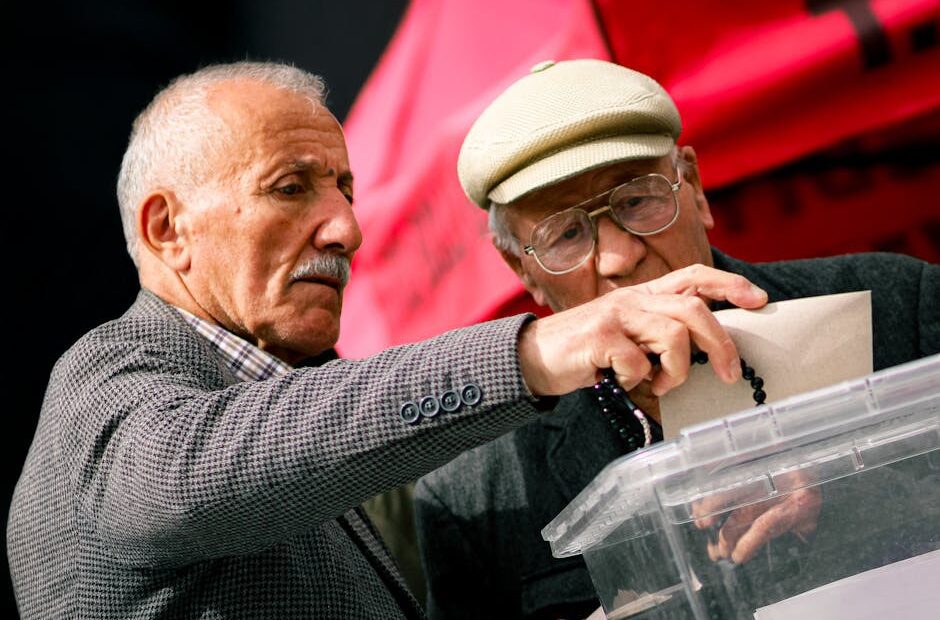
Armenia’s parliamentary elections on Sunday will focus on the country’s geopolitical future, as Prime Minister Nikol Pashinyan seeks closer ties with the European Union and the United States despite longstanding relations with Russia favored by his critics. Many analysts expect Pashinyan’s Civil Contract party to retain control of parliament, but opposition parties running on pro-Russia platforms have put the Caucasus nation’s international alignment at the center of the vote. Relations between Moscow and Yerevan deteriorated after Azerbaijan took control of the Karabakh region in 2023, with Armenian authorities accusing Russian peacekeepers of failing to stop the offensive. Pashinyan has since joined the International Criminal Court, suspended participation in the Collective Security Treaty Organization, and declared aspirations to join the EU. Russia has warned that joining the EU could cause massive economic damage and has introduced restrictions on Armenian produce, while the EU announced 50 million euros in support. Nineteen political forces are participating in the elections, with Pashinyan’s main rival being the Strong Armenia Party led by Armenian-Russian billionaire Samvel Karapetyan.
What’s reported
Armenia’s parliamentary elections are scheduled for Sunday.
Prime Minister Nikol Pashinyan seeks closer ties with the EU and the U.S.
Many analysts expect Pashinyan’s Civil Contract party to retain control of parliament.
Relations between Moscow and Armenia soured in 2023 after Azerbaijan took control of the entire Karabakh region.
Armenian authorities accused Russian peacekeepers of failing to stop Azerbaijan’s onslaught; Moscow rejected the accusations.
Pashinyan joined the International Criminal Court in 2023 and suspended participation in the Collective Security Treaty Organization in 2024.
Armenia officially declared aspirations to join the EU and hosted the European Political Community summit in Yerevan in early May.
In August, U.S. President Donald Trump hosted Pashinyan and Azerbaijan’s President Ilham Aliyev to sign an agreement declaring an end to hostilities.
European Commission President Ursula von der Leyen said Europe is ready to invest in Armenia’s energy industry and digital scene.
Russia has introduced restrictions on Armenian produce, banning flowers, cognac, wine, eggplants, potatoes, dried fruits, fish and more.
Armenia’s membership in the Eurasian Economic Union was placed under formal review in May, with threats to suspend it by December.
Governments of Russia, Belarus, Kazakhstan and Kyrgyzstan demanded Armenia hold a referendum on EU membership; Pashinyan rejected the need.
Armenian government statistics show 38% of exports went to Eurasian Economic Union countries in 2025, compared to 8% to the EU.
The EU announced 50 million euros ($58 million) to support Armenia.
Nineteen political forces, including two blocs and 17 parties, are taking part in the elections.
Pashinyan’s main rival is the Strong Armenia Party, led by Armenian-Russian billionaire Samvel Karapetyan, who is on trial for calling for the overthrow of the government.
Other potential contenders include former President Robert Kocharyan, who leads the Hayastan bloc.
Armenia’s civil society has expressed concern over Russian-backed disinformation campaigns; Moscow denies any interference.
Daniel Ionnisyan, head of the Union of Informed Citizens, documented instances of Russian interference through social media campaigns, cyberattacks, vote buying and bribery of journalists.
A delegation from the Parliamentary Assembly of the Council of Europe said foreign interference included illicit political financing, cyberattacks, economic coercion and attempts to manipulate the electoral process.
Open questions
The exact outcome of the election and whether Pashinyan’s party will retain control.
Whether Armenia will ultimately pursue EU membership or remain in the Eurasian Economic Union.
The full extent of Russian interference, as Moscow denies any involvement.
Key figures
Nikol Pashinyan, Prime Minister of Armenia
Mikayel Zolyan, analyst and former member of the Armenian Parliament
Alexander Iskandaryan, director of the Caucasus Institute in Yerevan
Vladimir Putin, President of Russia
Donald Trump, U.S. President
Ilham Aliyev, President of Azerbaijan
Ursula von der Leyen, European Commission President
Samvel Karapetyan, leader of the Strong Armenia Party, Armenian-Russian billionaire
Robert Kocharyan, former President of Armenia, leader of the Hayastan bloc
Daniel Ionnisyan, head of the Union of Informed Citizens
Sources: abcnews.com