


Ancient ape fossil in Egypt challenges human origins narrative

7 reported
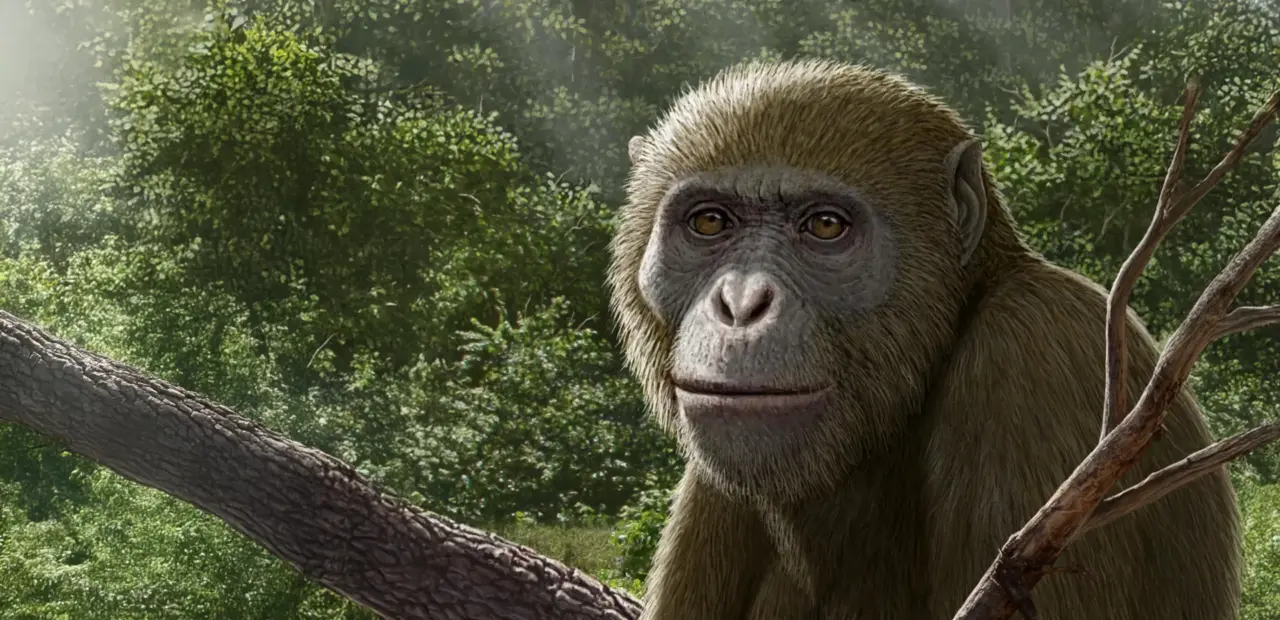
An international team of researchers has identified a previously unknown fossil ape from northern Egypt that lived about 17 to 18 million years ago during the Early Miocene. The species, named Masripithecus moghraensis, was described in a study published in Science by scientists from Mansoura University Vertebrate Paleontology Center in Egypt and the University of Southern California in the USA. The fossils were discovered at Wadi Moghra in northern Egypt and provide the first definitive evidence of an ape from North Africa. The researchers used advanced Bayesian methods combining anatomical traits, DNA from living species, and geological ages to estimate relationships. Their results indicate that Masripithecus was more closely related to living apes than any Early Miocene species currently known from East Africa. The team also carried out biogeographic analyses that point to northern Africa and the Middle East as the likely birthplace of the common ancestor of all living apes. Co-author Erik Seiffert stated that the findings changed his view, as he previously considered it probable that the common ancestor lived in or around East Africa.
What’s reported
The fossil ape lived about 17 to 18 million years ago during the Early Miocene.
The species is named Masripithecus moghraensis.
Fossils were discovered at Wadi Moghra in northern Egypt during fieldwork in 2023 and 2024.
This is the first definitive evidence of an ape from North Africa.
Masripithecus was more closely related to living apes than any Early Miocene species known from East Africa.
Biogeographic analyses point to northern Africa and the Middle East as the likely birthplace of the common ancestor of all living apes.
The study was published in Science and led by Mansoura University Vertebrate Paleontology Center and the University of Southern California.
Key figures
Hesham Sallam, paleontologist at Mansoura University, Egypt, senior author of the study
Shorouq Al-Ashqar, researcher at Mansoura University Vertebrate Paleontology Center, first author of the study
Erik Seiffert, paleontologist at the University of Southern California, co-author of the study
Sources: ScienceDaily